The UK and Ireland arm of Coty has recovered from losing more than £50m as it considers selling off the likes of Rimmel and Max Factor.
The New York-listed giant announced at the end of September that it was weighing its options for its consumer beauty division.
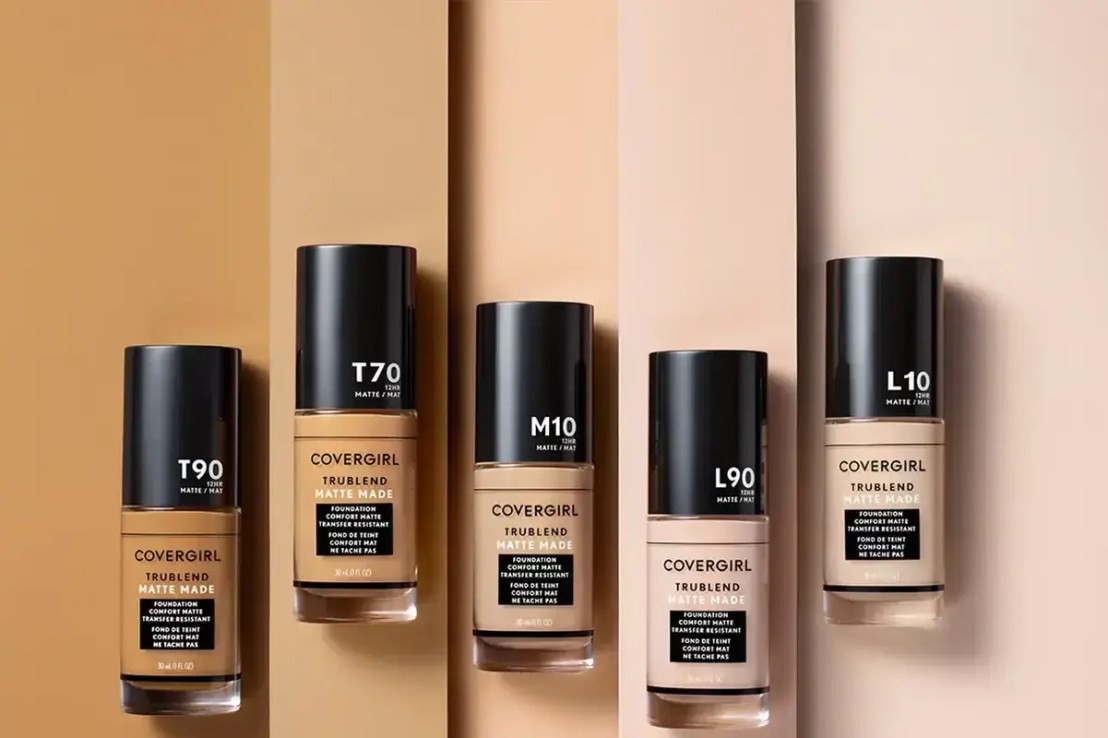
While a formal decision has not yet been announced, it is possible that Coty could sell Rimmel and Max Factor as well as CoverGirl and Sally Hansen.
The division generates around £900m in revenue a year.
Now, new accounts filed with Companies House have revealed Coty UK&I has recovered from losing more than £50m despite its turnover slipping.
The results show the firm achieved a pre-tax profit of £9m for the year to 30 June, 2025.
The figure comes after the division fell to a pre-tax loss of £53.4m in the prior 12 months.
However, Coty UK&I’s turnover dipped over the same period from £335.3m to £326.3m.
In the accounts, the owner of Rimmel and Max Factor said its losses in the prior year were mainly because of an impairment charge of £135m against investments following a review of its UK operations.
On its falling turnover, the company added that it had “experienced a slowdown in retail demand in the consumer beauty business”.
Max Factor owner eyeing ‘clarity and focus’
Coty has headquarters in the US and the Netherlands and can trace its roots back to 1904 when it was founded in France.
It owns around 40 brands develops, manufactures, markets and distributes fragrances, cosmetics, skin care, and nail care as well as professional and retail hair care products.
Talking in September about the strategic review, chief executive Sue Nabi said: “This next phase of our transformation is about clarity and focus.
“By more closely integrating all our fragrance and scenting brands, we unlock the full power of our scale.
“The fragrance category continues to outperform the global beauty market and already drives the majority of our revenues and profits.
“Coty has a proven right to win at all price points of scenting, from $5 to $500, and is already making strong headway in the exciting new $7bn mist market.”