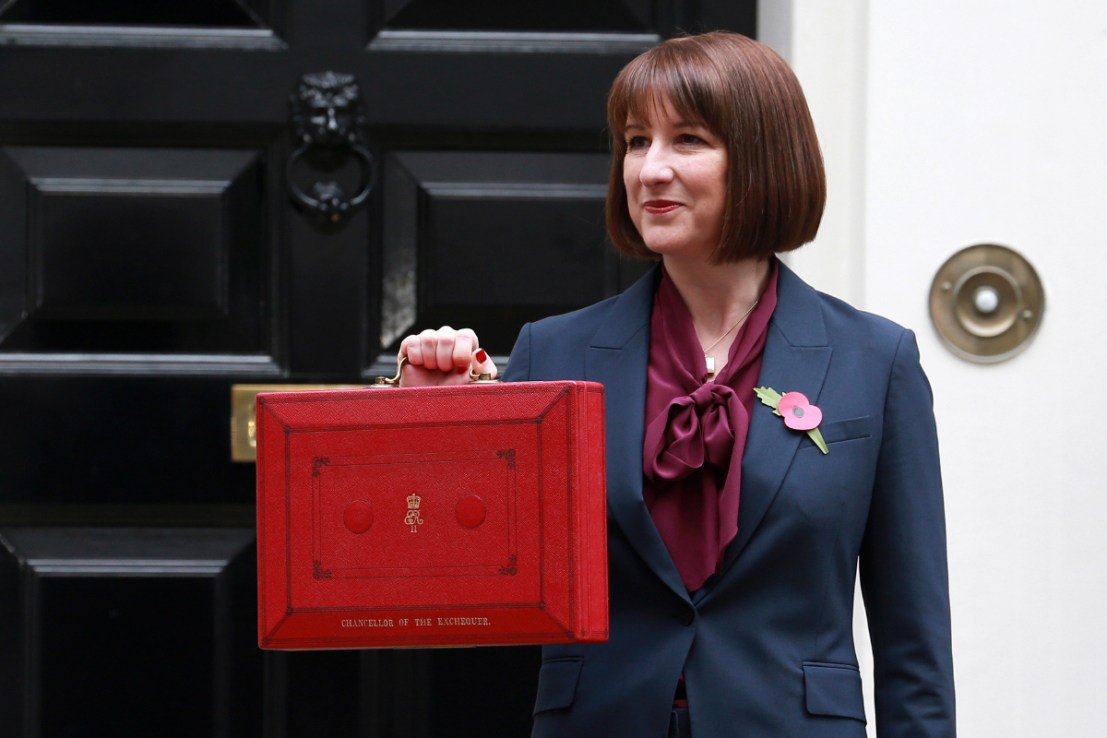
The latest cut to interest rates reflects the choices this government has made to restore economic stability, says Rachel Reeves
The latest interest rate cut is another sign that we have returned stability to the British economy.
The Bank has now reduced rates from four per cent to 3.75 cent, the sixth cut since the election and the fastest pace of reductions in 17 years. Inflation has fallen from 3.6 percentage points to 3.2 percentage points, lower than the Bank’s forecast.
This is not happening by chance. It reflects the choices we’ve made to restore economic stability, and to give businesses and households the certainty they need to plan and invest.
For homeowners, the impact is already clear. A new fixed-rate £215,000 mortgage taken out in October 2025 is around £100 a month cheaper than it would have been at the June 2024 election – that’s £1,200 a year back in people’s pockets. Lower borrowing costs mean more financial breathing room, more resilience, and more spending power in the real economy.
For businesses, especially SMEs, this environment is critical. A £10,000 business loan taken out in October 2025 now costs about £134 less per year than the same loan in July 2024. For a single firm, that might sound modest; across thousands of businesses, it becomes a meaningful boost to investment, expansion and job creation.
Unlocking investment
Lower interest rates help unlock private investment. They support entrepreneurs with the confidence to scale up, invest in new technologies and enter new markets. This is how we shift the UK towards the higher growth, higher productivity economy we need.
In the Budget, I chose to go further: to support the Bank’s fight against inflation with responsible fiscal policy, and to ease pressures on households and firms. Thanks to the Budget measures we delivered, we’ll reduce CPI inflation by 0.4 percentage points next financial year – the largest near-term fall in inflation from government policy ever forecast by the OBR at a single fiscal event outside a crisis.
I have doubled down on making it easier for fast growing start-ups to scale and stay in the UK, by doubling eligibility thresholds for enterprise tax incentives so scale ups can attract the capital and talent they need, introducing new three year stamp duty holiday for firms that list in the UK and maintaining the lowest rate of corporation tax in the G7.
My message to businesses is simple. Stability is not a slogan; it is the foundation of growth. Cheaper mortgages support demand. Cheaper loans support investment. A credible framework for fiscal and monetary policy supports both.
This government will fight to raise living standards and cut business costs – not with short-term fixes, but with a stable, long-term plan for business-led growth. The task now is to turn lower inflation and falling borrowing costs into sustained investment, higher productivity and a stronger, fairer economy for the decade ahead.
Rachel Reeves is the Chancellor of the Exchequer