Just past De Beers on London’s Old Bond Street lies an anonymous-looking door. Look through to the lobby beyond it and you’d be forgiven for thinking it was an office block where boring admin-y things happen. In fact, if you take the lift up, the doors open to reveal a calm, cream space. To your right is a beautifully appointed roof terrace, to your left a stocked bar, invitingly plush sofas, art work on the walls and sculptures throughout.
Welcome to Club 1755, Vacheron Constantin’s experiential space where lovers of horology, art and craftsmanship can wallow in the world of this historied Maison.
“The inspiration for Club 1755 stemmed from a desire to create a more intimate and engaging experience for our Vacheron Constantin clients,” explains Charlotte Tanneur-Teissier, UK brand director for the maison. “We recognised that the traditional retail environment, while still important, wasn’t always conducive to fostering the kind of deep connection we wanted to build with our community.
“Our initial purpose was to establish a space where collectors and enthusiasts could come together, share their passion for horology, and immerse themselves in the world of Vacheron Constantin in a more relaxed and personalised setting. We wanted to move beyond the transactional and create a true community.”
Vacheron Constantin isn’t alone in wanting to offer customers something different from the traditional purely transactional retail experience. Clubhouses, studios – call them what you will – have been popping up in every major city from Manchester to Melbourne, giving watch lovers the chance to learn, discover and maybe even enjoy a beverage while they contemplate their next purchase.
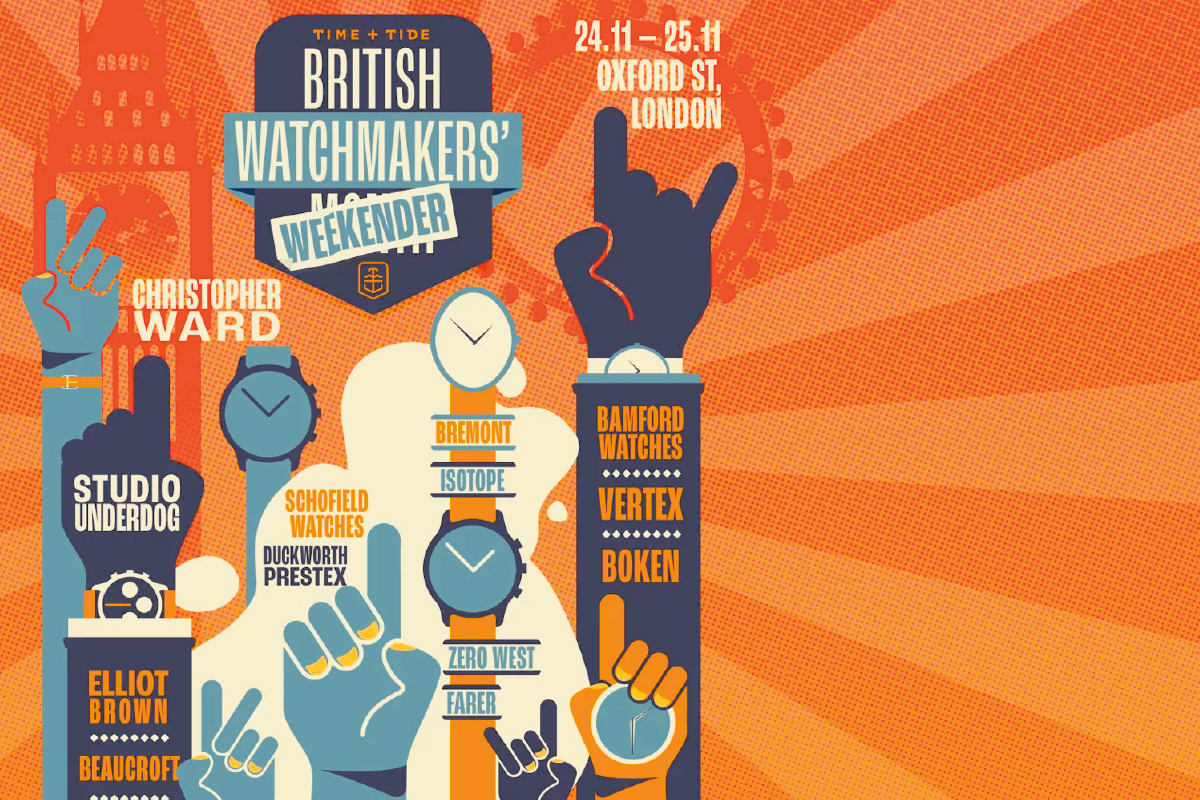
“Once you’re inside, you can treat it like a record store, but for watches,” says Andrew McUtchen, founder of Time+Tide, which started out life in Australia in 2014 as a digital platform for watch news and reviews, and subsequently branched out into “bricks and mortar” with its Time+Tide Studio. The first opened in Melbourne in 2023, then London and New York followed in 2024 and 2025 respectively, with a vibe that is more hipster loft than cream serenity.
The stunning Audermars Piguet watch collectors’ clubhouse in Macau
“You come in to see what’s new, what’s rare, what’s trending and you talk to pretty hardcore watch enthusiasts who will meet you on that level, from complete newbie to actual watchmaker. You might come for an event or a brand showcase, but most people just drop by to browse, have a chat, or even film some content for their socials. We’re not pushing product, we’re curating experiences and helping you discover watches you might never have found otherwise.”
In the watch world, as in the wider culture in 2025, “curating experiences” has become the norm. Passive observation is out: active participation is now the way people want to engage. Customers don’t want to stand on the other side of a counter being talked at by an authorised dealer, they want to know more about the ways in which these watches were created, be introduced to a world that goes beyond gears and wheels.
“The rise of this kind of space reflects a shift in clients’ perception of how they wish to connect with brands, moving from transactional to a more personal and experiential approach,” says Daniel Compton, general manager for Audemars Piguet UK, which has branded “Houses” all over the world from London to Macau.
“They have become a platform for brands to create and offer a fully personalised experience to their customers, based on their personal interests. For instance, our AP House in Manchester is a place where we connect with guests through a cultural lens, be it music – with a wide selection of vinyl to play in our dedicated room – or art, as we exhibit a rotating display of artworks, curated by our own art commission programme, Audemars Piguet Contemporary.”
From a customer perspective, this more holistic approach to retail is working and not just in the primary market but also the secondary one, where trust is paramount. “I came across [pre-owned trading platform] Subdial through watch forums while I was consolidating part of my collection,” says watch collector Jack N.
Vacheron Constantin’s Club 1755 clubhouse is a hit with watch collectors
“I met the team during a drop-off and have since purchased several pieces through them. What differentiates the Clubhouse experience is the combination of trust, transparency, and access. You are able to meet the team in person, inspect a watch, and know they have in-house watchmakers who can provide movement photos, or timegrapher reports. When collecting vintage, ‘buy the seller’ is a mantra for a reason, and Subdial really embodies that reassurance.”
For Subdial co-founder Christy Davis, the Clubhouse was a natural step in the business’ growth, following its success as a purely online concern.
“It’s less about buying or selling a specific watch, and more about building long-term relationships with people so they want to do their trading with Subdial. Someone might be viewing a watch, but they could also just be stopping by to have a coffee and chat watches,” he says. “Ultimately it comes down to trust – this starts with the very tight physical and digital security controls that make the space feel really safe, and runs through to the human relationship that we try to build with each customer. We like chatting watches as much as our customers do! The Subdial Clubhouse allows us to build relationships that feel real.”
It’s that word – “real” – that goes to the heart of this scene. Millennials and Gen Z crave authenticity. It drives their purchasing decisions, fosters their loyalty to brands and translates as prioritising real-world interactions and genuine connection. Which brings us back to these clubhouses and studios. “People want connection, not just product. But they get a premium space, too,” explains McUtchen. “They want to feel part of something, to learn, to share their passion, while still feeling like they’re in a special, eminently liveable space.”
In a world where interactions are increasingly digital, this return to something resembling the salons of the 19th century – intimate, creative spaces where like-minded people gathered to exchange views – feels like a positive change. As Davis says, “What non-watch people don’t realise is that collecting is about more than just watches. When you go through the process of buying a watch, you unearth all sorts of histories and you meet people. It’s a sort of digital antidote, where you can get hands-on with tangible things and form friendships around a shared passion.”
For those who despair that life is increasingly viewed through a black mirror where opinions are either black or white, the rise of the interactive watch space must seem refreshingly positive.