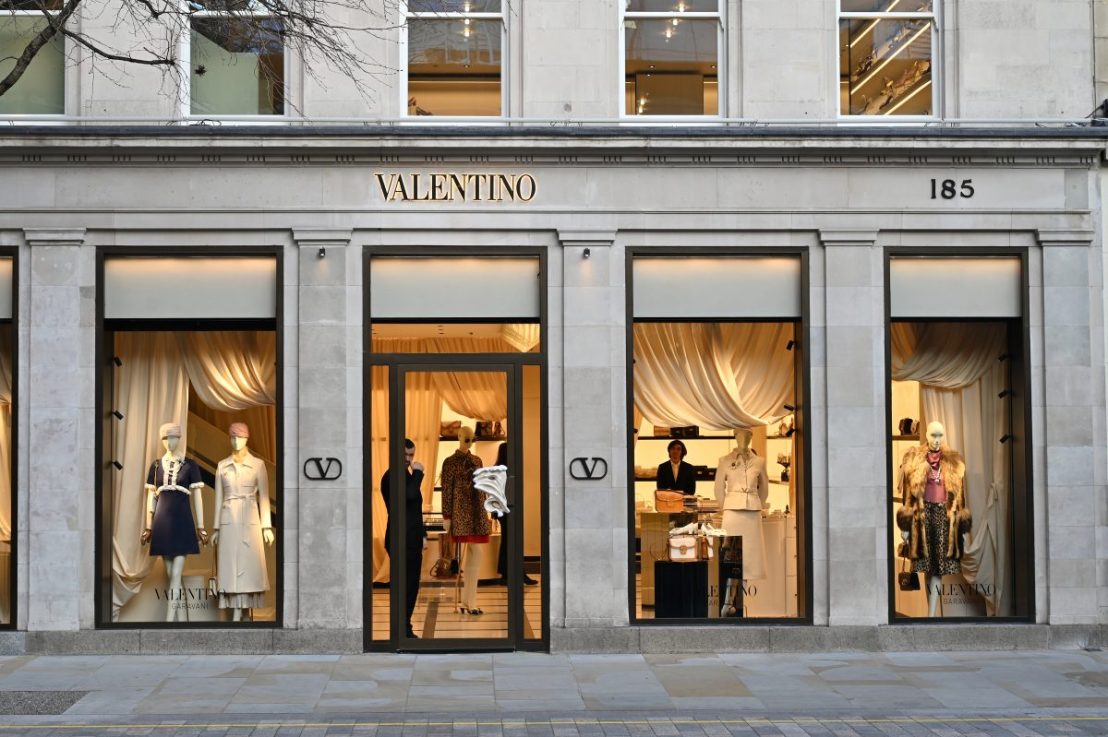
Italian fashion house Valentino has received mounting backlash after posting a series of AI-generated adverts on Instagram.
What was billed as a ‘digital creative project’ instead set off a minor revolt in its comments section, where followers lined up to dub the visuals as “cheap”, “tacky”, “lazy”, and perhaps the most cutting barb for a couture house – “embarrassing”.
The surreal reels, which splice models with floating logos, gold embellishments and body parts melting into dizzying geometric swirls, were meant to make a case for digital arts.
Instead, many saw a Frankenstein collage. “AI does not match luxury and craftsmanship”, one user wrote. Another added “I just hate this”.
Valentino’s insistence on labelling the work as AI-generated did little to soften the blow.
The backlash only intensified after the brand doubled down with a second AI ad – prompting one user to mourn the brand’s preceding designer: “More AI after the feedback on the first one??? I miss Pierpaolo”.
A spokesperson declined to comment.
Bring back the human-made ad
Dr Rebecca Swift, SVP creative at Getty Images, said the episode reflects broader customer discomfort.
“The negative reaction to Valentino’s recent handbags advert validates what our own research has found – consumers predominantly view AI-created works as less valuable than human-made images.”
“Even full transparency about AI use wasn’t enough to win them over”, she added.
The incident lands at an uneasy moment for the ad industry, which is racing to integrate AI just as consumers are growing suspicious of how, and why, it is being used.
While agencies trumpet hyper-personalised AI ads capable of tailoring tone, colour palettes and even emotional cues, the technology risks turning online advertising into a slurry of over-processed, uncanny slop.
Meta in the firing line
Meanwhile, concerns are mounting about how AI-generated ads are being deployed across social platforms.
Meta has faced criticism after a wave of scam adverts misled consumers into buying cheap imports masquerading as British brands.
Santander data shows more than half of Brits fear they or a family member could fall victim to such fraud, with younger users surprisingly exposed.
The bank found that one in six Gen Z social media users admit they’ve already lost money to fake AI ads.
With this in mind, luxury brands adopting AI for aesthetics alone may find themselves on even thinner ice.
Couture houses trade on craftsmanship, legacy and the notion that what they produce cannot be replicated.
When the marketing begins to look like something generated in 12 seconds on a text prompt, fans feel the contradiction instantly.
Whether Valentino’s experiment is a creative misfire, a calculated provocation, or a sign of where luxury marketing is headed remains to be seen.
But judging, from the comments – “I hate AI”, and “Have you been hacked?” among them – the brand’s audience seems to have already delivered its verdict.