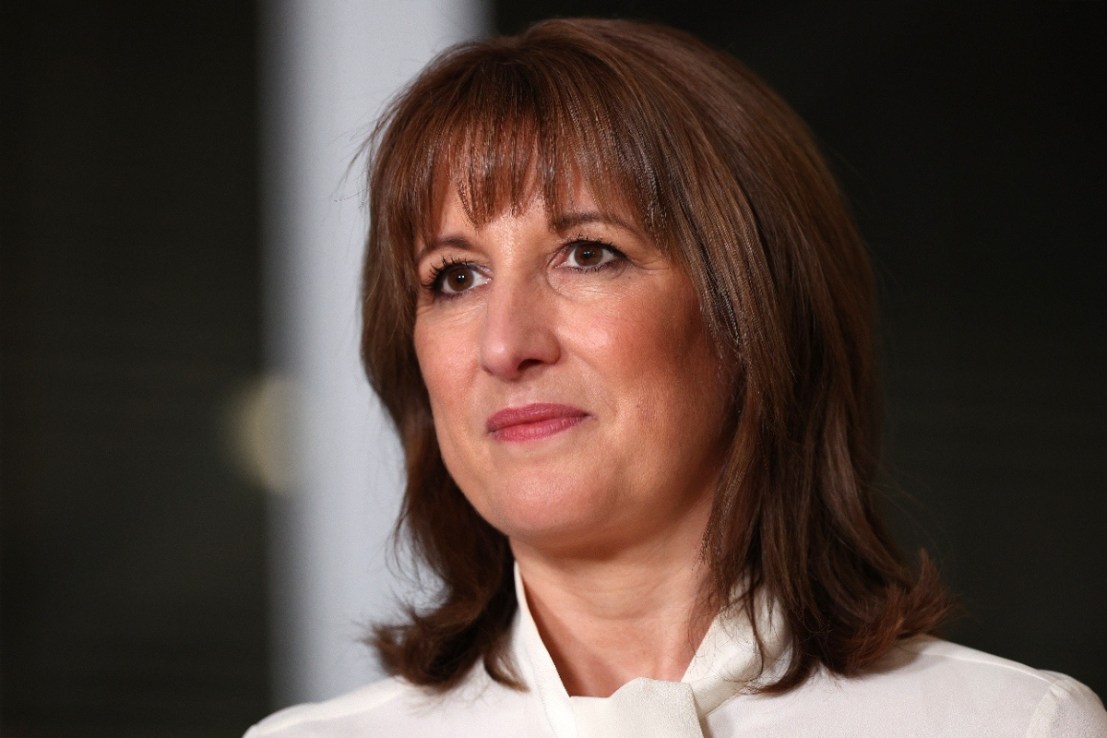
Rachel Reeves is under mounting pressure as the Office for Budget Responsibility faces questions regarding what and when the Chancellor was told about the state of public finances.
The Labour government’s weeks of rogue briefings and teasing of a manifesto-breaking income tax hike faces renewed scrutiny after an OBR official poured cold water on the consequences of the productivity downgrade.
The Chancellor had warned the downgrade from the fiscal watchdog would dampen the state of public finances, with some reports suggesting it would leave a black hole as wide as £20bn.
But the OBR’s economist forecast said the surge in tax receipts – due largely to inflation – more than covered the £16bn downgrade.
David Miles, head of economic analysis at the Office for Budget Responsibility, told Bloomberg that the OBR formally informed the Treasury of the surge in tax receipts that wiped out the productivity downgrade on 31 October. That is several days before the Chancellor gave a so-called ‘scene setter’ speech in which she heavily implied she would raise income tax.
The Treasury Committee has now began questioning the timeline with the group’s chair Dame Meg Hillier writing to the watchdog for additional information on what the Treasury knew and when.
OBR makes ‘unusual step’
Richard Hughes, chair of the OBR, said in the foreword to the forecast he would write to Hillier “to set out the facts concerning the evolution of our forecast.”
Hughes added he was making the “unusual step” after the “volume of speculation” before the budget that caused markets to move.
But Hillier has said she had not received Hughes’ letter and called for it “as soon as possible in the form it was originally intended.”
The growing questions around the timeline comes after markets dramatically moved throughout November, in anticipation of a major income tax hike.
The yield on 10-year gilts – the benchmark metric for government borrowing costs – edged down to 4.39 per cent after bond traders were appeased by Reeves’ scene setter announcement.
But after news came of a U-turn, which reports suggested “better than expected forecasts” were behind despite the OBR insisting the Treasury had the same forecasts 31 October, markets were sent into panic, rising at the fastest rate since Reeves was seen emotional in the Commons.
Gilt yields have edged down in the aftermath of the Budget after more than doubled her fiscal headroom, but have still failed to cross the mark achieved before the income tax U-turn.
Just a week before Reeves took to the dispatch box for her Budget, independent economist Julian Jessop told City AM: “Unless something very unusual has happened, the OBR would have included all the more favourable economic assumptions in the forecast round that ended on the 31st of October.”
A Treasury spokesman said: “We will not comment on the Budget process, but we have been clear that this Budget was about cutting waiting lists, cutting debt, and cutting the cost of living.”