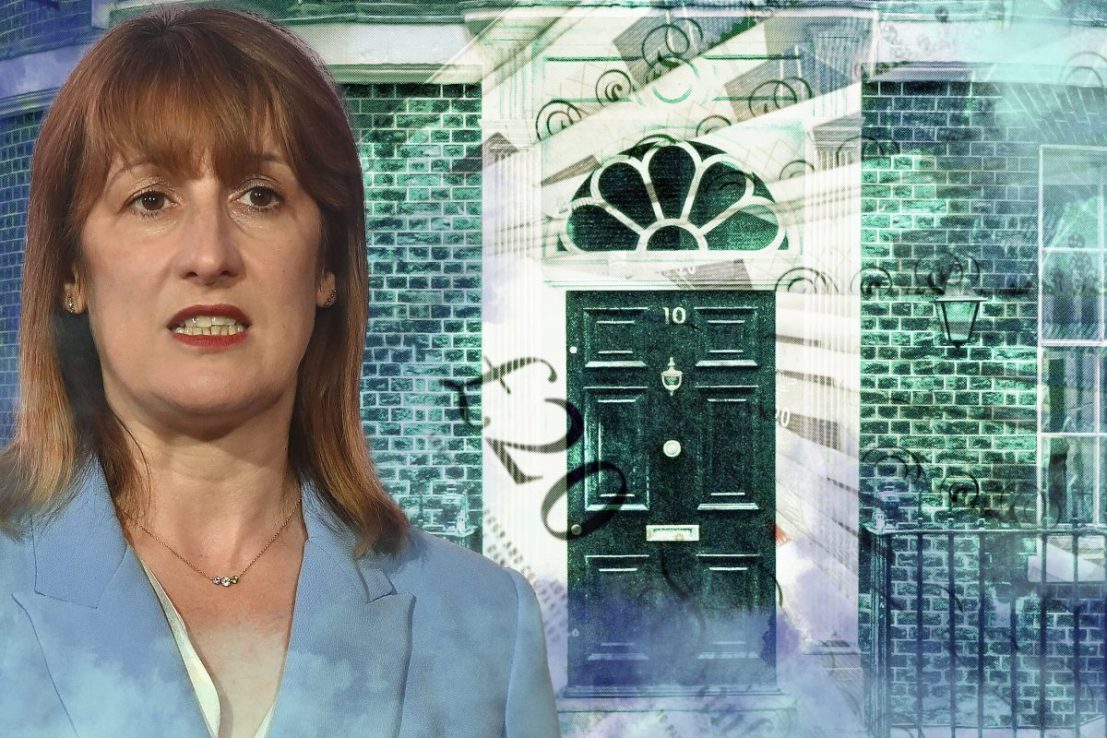
Small and mudiec-sized businesses (SMEs) now face a sour cocktail of higher taxes, rising costs, and tighter margins following Rachel Reeves’ second Budget as Chancellor.
Dividend taxes are up, income tax and National Insurance thresholds remain frozen until 2030-31, and salary-sacrifice pension reliefs are being curtailed.
For many small business owners, the Budget will feel less like a lifeline and more like a call to tighten belts.
Tax pressures and investment headwinds
Income tax and National Insurance thresholds will remain frozen for the next five years.
More workers will gradually slip into higher tax bands, raising costs indirectly for SMEs, particularly those reliant on salary-heavy staffing models.
Sarah Farrow, UK private client services partner at EY, said: “Given the exemptions for small amounts of saving income, this may fit with raising taxes from those with the broadest shoulders, but could act as a further deterrent for passive investment.”
Dividend taxes rise from 8.75 per cent to 10.75 per cent for basic rate, and from 33.75 per cent to 35.75 per cent for higher rate payers from April 2026.
Meanwhile, new property income tax bands and savings taxes follow in 2027.
For SMEs, this increases the effective cost of reinvesting profits and dissuades passive investment, particularly in capital-intensive or property-based enterprises.
But undoubtedly, frozen income tax thresholds will indirectly affect business confidence.
As Tom Russell, president of restructuring body R3, argued: “It is likely that SMEs will share the pain of freezing income tax brackets.
“With pressure on both the demand side and a need to pay higher wages, margins shrink and some will become targets for opportunistic local competitors or trade buyers.”
Business rates
The Budget introduces permanent lower business rates for more than 750,000 retail, hospitality, and leisure (RHL) properties, alongside a transitional relief package for high-value premises.
Yet, not all SMEs benefit equally.
Natasha Guerra, founder of Runway East, said: “The decision to treat flexible and serviced offices as one large property rather than multiple smaller units means startups face higher costs.”
Cuts to capital allowances and new National Insurance charges on salary-sacrifice pensions further squeeze business finances.
Aman Parmar, head of marketing at BizSpace, said: “SMEs now face even higher operating costs just as demand softens.”
“While business rates reforms offer short-term relief, cuts to capital allowances and new NIC charges raise the hurdle for expansion and equipment upgrades.”
Investing in UK talent
On the talent front, the Budget made some positive moves.
Apprenticeships for under 25s at SMEs will be free, supported by £820m for the Youth Employment Guarantee, which offers paid placements for young people who have been out of work for 18 months or more.
Ben Rowland, chief executive of the Association of Employment and Learning Providers, described the move as a “pre-funded solution that employers will back”.
The Chancellor also expanded Enterprise Management Incentives (EMI) and Venture Capital Trust (VCT) limits, offering support to founders and scale-ups aiming to invest or grow on home soil.
But, the overall message is that while funding exists for growth, operational pressures like higher taxes and compliance costs, may stifle ambition.
Tightening the noose
Reeves’ highly anticipated Budget has also signalled tougher enforcement.
She announced that HMRC will deploy 350 additional criminal investigators to tackle serious fraud and evasion in small businesses, alongside new penalties for late tax filings and enhanced scrutiny of salary-sacrifice arrangements.
As Andy Fishburn, managing director at Virgin StartUp, said: “There has been little assurance for struggling businesses against some key policy areas such as VAT thresholds and the trading allowance.”
For SMEs already balancing tight margins, this adds an additional layer of complexity they will have to absorb.