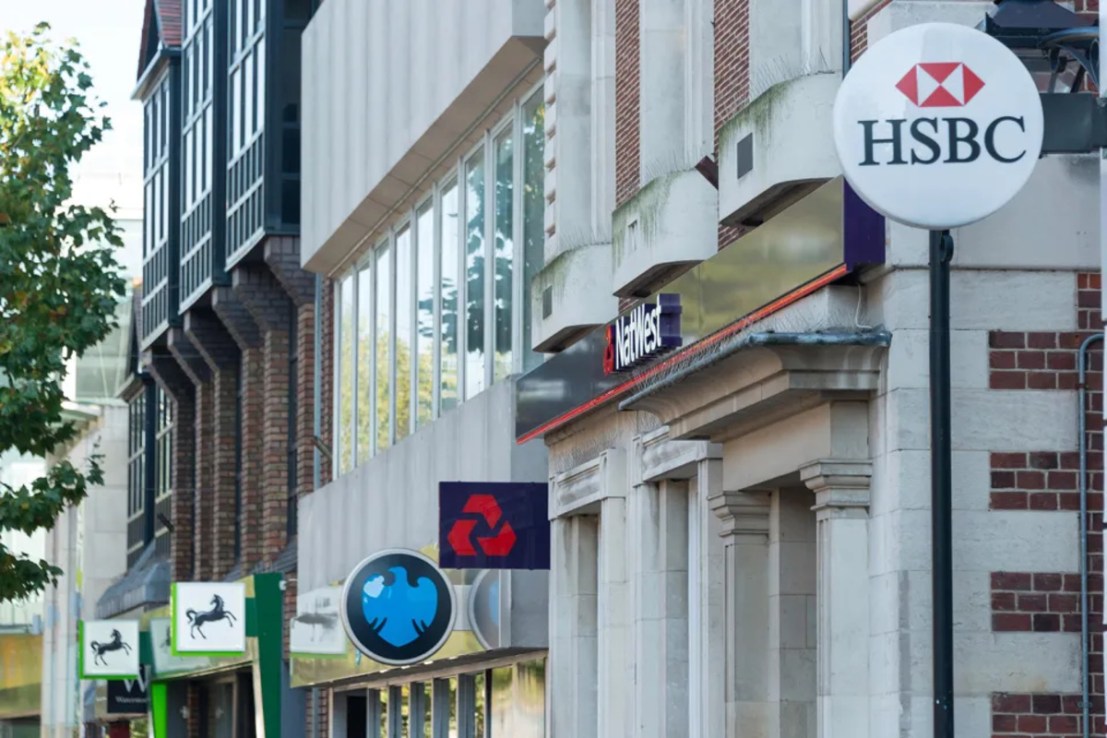
Britain’s banking giants have managed to escape a tax raid in the Labour government’s second Autumn Budget.
UK lenders have been in the hot seat on the road to 26 November, with Chancellor Rachel Reeves facing lobbying calls across the aisle.
But as Rachel Reeves made a £26bn cash grab, which included bookies, landlords and pensions, banks were spared.
As markets digested the news, Lloyds rose nearly four per cent to 94.12p. Natwest jumped nearly three per cent to 621.20p and Barclays over three per cent to 423.55p.
All three lenders had a notable jump from trading broadly flat, or slightly edging into the green, to a stronger gain as news of the Budget came to light around midday.
Top think tanks, political opponents and even former Deputy Prime Minister Angela Rayner have urged the Chancellor to launch a cash grab on lenders.
Whilst some have called for a “windfall tax” on banks profits, a common call has focused on the banking surcharge, which sits on top of corporation tax.
Banks sound alarm on uncompetitive tax rate
The surcharge stands at three per cent, effectively setting corporation rates at 28 per cent, but had faced speculation it would be raised to as high as eight per cent.
But in today’s Budget, Reeves has avoided such a move following fierce opposition from the industry.
David Postings, chief executive of banking industry body UK Finance, said: “We recognise the Chancellor faced tough choices in this Budget and welcome the ongoing support she has shown for the financial services sector.
“This sends an important signal to international markets that the UK is focused on growth and attracting investment.”
As it ramped up lobbying efforts, UK Finance published a report with PwC revealing London lender’s total tax rate rose 0.6 per cent to 46.4 per cent in 2025.
This dwarfed that of overseas rivals and raised concerns about the City’s attractiveness on the global stage. In New York, the tax rate remained unchanged year-on-year at 27.9 per cent, almost two-thirds below that in London.
The report showed the UK banking sector contributed £43.3bn in tax for the financial year to the end of March 2025, with the rise mainly due to Reeves’ increase to employer’s national insurance contributions.
As well as the sector-specific levy, lenders are also subject to VAT, property taxes, national insurance and other taxes levied on businesses.
Bank shares volatile on Budget path
Bank shares have remained volatile in the run up to the Budget, due to the constant back-and-forth from Treasury briefings.
Natwest shed five per cent in a single trading session at the end of August after the left-leaning Institute for Public Policy and Research (IPPR) called for an annual £8bn tax on the sector targeting profit “windfalls” from quantitative easing.
The losses wiped nearly £2.5bn off Natwest’s market value, with a total £8bn loss in the FTSE 100’s Big Five banks, including Lloyds, Barclays, HSBC and Standard Chartered.
But the drama surrounding a bank tax has dated back to the Spring Statement, with a leaked memo revealing Starmer’s second-in-command at the time, Angela Rayner, calling for the banking surcharge to be raised.