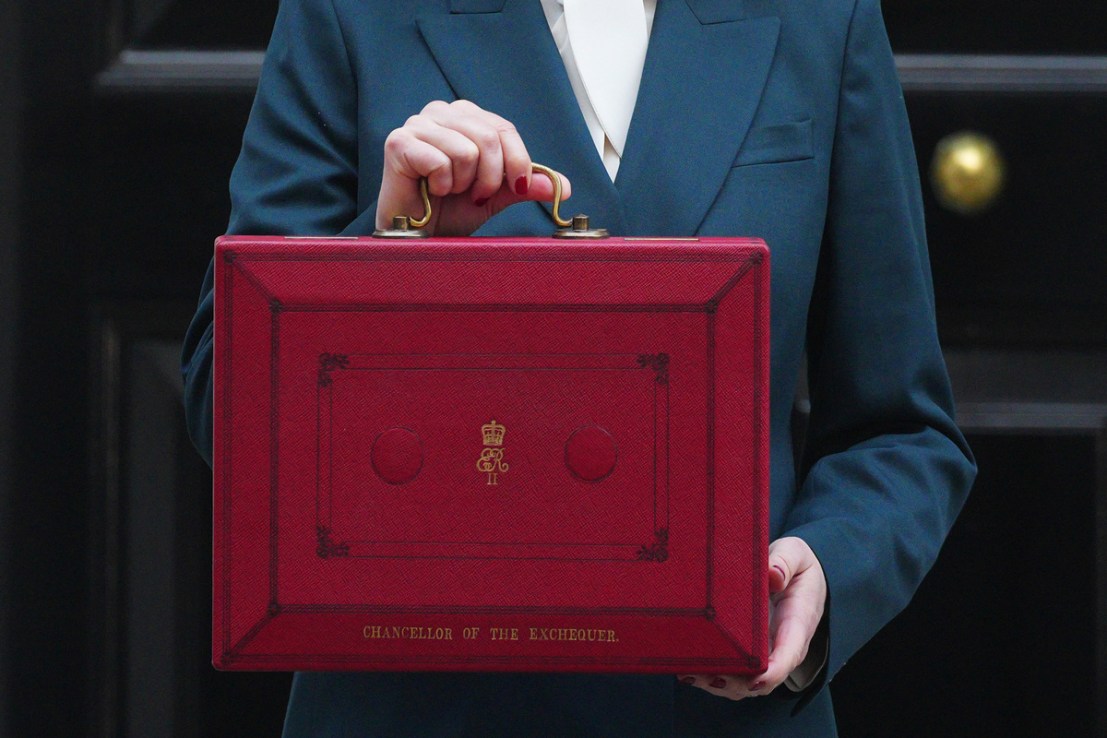
Chancellor Rachel Reeves has ripped up the salary sacrifice scheme regime, to the chagrin of both employers and employees, and could potentially put Brits’ pension savings at risk.
Salary sacrifice allows employees to give up a portion of their salary for other benefits, such as childcare vouchers and electric vehicle grants, reducing total income and tax bills by dragging them back under the £100,000 threshold.
The most popular scheme is pension contributions, where employees effectively take a pay cut in exchange for higher pension contributions, pushing them back under the threshold.
But in a major shake-up to the pensions system, salary sacrifice schemes have been pared back, with the exemption capped at £2,000 per employee, per year, from April 2029, arguing that the scheme does not benefit those on the minimum wage.
This means any further pension contributions over this amount will be subject to standard national insurance rates of eight per cent on salaries under £50,270 and two per cent on any income above that.
Reeves said: “Salary sacrifice for pensions, which was intended to be a small part of our pension system, is forecast to treble in costs from £2.8bn in 2017 to £8bn by 2030.
She noted that the schemes mainly benefit high earners, in particular “those in the financial services sector putting their bonuses into pensions tax-free”, while minimum-wage earners “don’t benefit at all”.
The raid is expected to raise an additional £4.7bn.
Employer uproar and retirement crisis
The decision comes as the Chancellor opted not to cut the 25 per cent tax-free lump sum after public backlash over the impact on pensioners and to prevent a flurry of withdrawals.
However, the cut will likely increase financial pressure on employers and damage retirement savings, particularly as more employers show interest in the schemes after national insurance contributions were hiked in April.
Jon Greer, head of retirement policy at Quilter, said: “Employers will…feel the pain.”
“After last year’s increase in employer national insurance contributions, this represents a double whammy, removing flexibility to support staff saving and stretching reward budgets even further.”
“That’s significant sums stripped from pay packets and business budgets, funds that could otherwise be invested in long-term financial security,” he added.
Other industry figures voiced confusion at Reeves’ decision to strip away an incentive that encourages increased pension saving at a time when the country is experiencing a widespread retirement crisis.
Mike Ambery, retirement savings director at Standard Life, said: “This change comes as the government revives the Pensions Commission to tackle the UK’s retirement savings gap.”
“Limiting salary sacrifice could undermine efforts to improve savings adequacy at a time when millions are already undersaving for retirement.”
George Sweeney, personal finance expert at Finder, also noted the move “only increases this danger” of not saving enough for retirement, while Brian Brynes, head of personal finance at Moneybox, hailed the decision as making “pension savings less attractive”.
Coming back under the threshold
However, there are other ways to come back under the £100,000 threshold, reduce tax bills, and, for young families, keep their childcare.
ISAs grant a £20,000 tax-free ceiling per year, allowing savers to dodge both income tax and capital gains tax.
Cash ISAs are set to have the ceiling slashed from £20,000 to £12,000 as of April 2027, but pensioners will not be subjected to the cut, so a stocks and shares ISA may be the best option for many.
For Brits considering stepping onto the housing ladder, a lifetime ISA is a viable option, offering a tax-free cash wrapper and a 25 per cent government bonus on what is put in, maxing at £1,000 a year.
Married couples can also transfer some of their income tax allowance to their partner.
People earning under the £12,570 personal allowance who have a spouse who is a basic rate taxpayer can gift £1,260 of their allowance.
This could relieve Brits of the 20 per cent tax on the sum, amounting to a potential saving of up to £252.
Moving assets between spouses can also be done without paying tax, allowing those who have already used their tax-free ISA allowance to move capital without worries of fees and come back under the threshold.
Personal allowances can also be used to earn interest tax-free if they have not already been used on wages, pensions, or other income.
For business owners
There are also ways for employers to reduce their income tax bill.
This includes leveraging tax-efficient schemes, such as the Enterprise Investment Scheme, which grants 30 per cent income tax relief on investments in companies that meet the criteria of being unlisted, UK-based, and having fewer than 250 employees, among other requirements.
Sole traders can also consider incorporating as a limited company, as corporation tax rates, which stand at 25 per cent tax for profits over £50,000, can be lower than some high-rate income tax bands