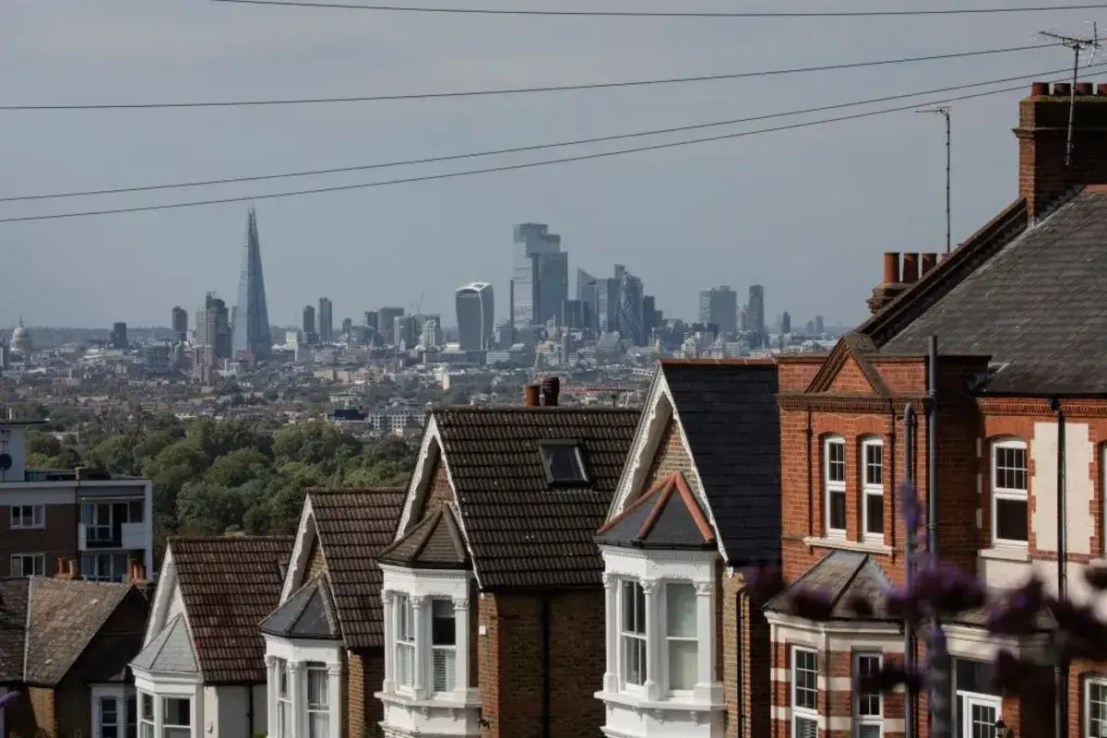
Getting on the property ladder is getting harder and harder for young people.
Dwindling housing supply coupled with growing demand for property has left sellers receiving offers significantly above the asking price, with squeezed buyers turning to family members to fund ballooning deposits.
But the costs do not end when the keys are handed over. Buyers must also dig into their pockets to pay solicitor, mortgage and broker fees among other costs, leaving many bled dry at the end.
First time buyers in England and Northern Ireland do get granted one monetary relief, the exemption from paying stamp duty land tax (SDLT).
But many young Londoners are unlikely to benefit from the tax relief, and no change to the system has been confirmed ahead of Wednesday’s Budget.
What is stamp duty land tax?
SDLT was passed into law under the Finance Act 2003, after then-Chancellor Gordon Brown first floated potential changes to the system in 1997.
It replaced the antiquated stamp duty regime, which charged duty on physical documents such as transfer deeds and lease agreements.
SDLT instead taxes property or land purchases above a certain price, and applies to the purchase of both freehold properties and leaseholds as well as those purchased through shared ownership schemes.
Under the 2014 regime, which organised taxes into bands, buyers of homes worth less than £250,000 did not have to pay any stamp duty, while those purchasing a home between £250,000 and £925,000 paid five per cent tax.
This jumped to 10 per cent for properties exceeding £925,000 to £1.5m, while any properties over that paid 12 per cent tax.
However, first time buyers received an even more significant exemption, with no SDLT attached to properties below £425,000.
Threshold shake up and the London housing market
In the 2023 to 2024 financial year, SDLT raised £11.6bn for the government, down from £15.4bn the year before, prompting a change to the system in Rachel Reeves’ maiden Budget last year.
Reeves’ shook up the tax thresholds, increasing the rates for properties in a bid to fill public finance coffers.
As of April, the exemption was lowered to properties under £125,000 for non first time buyers, while a two per cent charge was applied on properties ranging from £125,000 to £250,000.
The same charges apply for properties over that amount.
But it was first time buyers who were hit with the heaviest blow, as their exemption tumbled to £300,000.
A five per cent rate is tacked on to the portion of a property’s price between £300,000 and £500,000 while for properties exceeding that amount there is no relief at all.
The threshold fall does not pose a major problem for the majority of the country, with the average house price in September standing at £272,000, according to data from the Office of National Statistics.
But for Londoners it’s a different story, with house prices soaring year on year, hitting a staggering £550,000 in September, well above the exemption’s ceiling.
Similar to problems surrounding the Lifetime ISA, instead of getting tax relief, the majority will be forced to pay the standard rate, and even those who can find a property below £500,000 will most likely be subjected to a five per cent tax hit.
Most of the London properties worth less than this are studios or one bedroom flats, too small for young families, plus the number of properties under £300,000 in the capital is incredibly small and continuing to decline.
This makes it drastically unlikely that first time buyers can get their hands on one and dodge the charge.
End the threshold fall for London?
The fall caused significant controversy among estate agents and buyers in London, putting them at unfair advantage to the rest of the country and placing many under hefty financial strain after paying SDLT.
This had led many industry figures to call for the thresholds to be raised to reflect entry-level prices in the capital.
Nathan Emerson, chief executive of Propertymark, said: “Stamp Duty Land Tax relief for first-time buyers has become increasingly out of step with the reality of the London housing market.
“As a result, many first-time buyers in London are effectively excluded from the very support designed to help them onto the housing ladder.”
Emerson argued a hike to threshold would “recognise regional disparities” and “better align with London’s market conditions” to make the regime fairer.
Meanwhile, speculation has been mounting that SDLT could be scrapped in the Budget in order to boost the housing market.
But the Treasury has previously acknowledged the importance of the revenue generated from SDLT, leaving them to potentially explore other options such as new property sale tax if the regime is taken away.
Conservatives have pledged to abolish SDLT on primary residences for UK residents if they return to government.