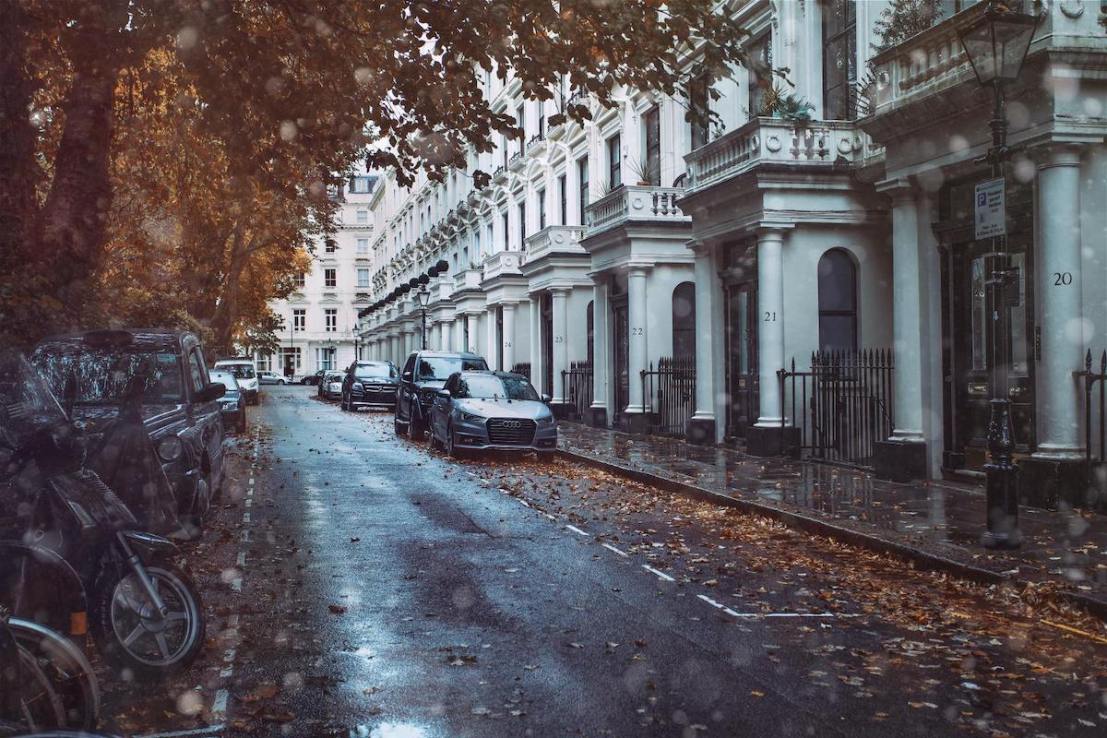
Rachel Reeves will reportedly impose a property levy on homes worth more than £2m, hitting 100,000 properties with a new wealth tax that is expected to raise just £450m.
The Chancellor is in the final phase of Budget preparations, with measures expected to include some more complex changes to the UK tax regime as she looks to fill a £20bn fiscal hole.
The expected tax on homes worth over £2m will be seen as a raid on the wealthiest in the country.
The government previously considered applying the levy, which is set to change according to property prices, from homes worth £1.5m, according to The Times.
Plans were changed after concerns were raised around the prospect of hitting people who were cash-poor and disproportionately affecting home owners in London.
Revenue is set to be collected through council taxes and the existing system will be used for the charge by revaluing 2.4 million of the most valuable properties across bands F, G and H.
The Times has reported that just £450m will be raised through the special levy while analysts at the Office for Budget Responsibility (OBR) have reportedly warned the government against the effect of plans.
A source told the newspaper: “The OBR has factored in a behavioural response to this with a knock-on effect on the housing market. It has a wider impact.”
The levy is expected to be back-loaded in forecasts to 2028 after revaluations have been concluded.
It will feature heavily as part of Reeves’ ambition to target those with the “broadest shoulders” to fill her fiscal hole.
Reeves to add levy on foreign students
The Chancellor is also set to include a tax raid on international students to help support costs for Britons.
The proposed 6 per cent tax on student fees has faced opposition from industry groups urging Reeves to prioritise growth at the Budget.
Bosses at the Confederation of British Industry (CBI) said the Chancellor should exclude the levy from her Budget plans and look for other ways to fill her fiscal hole, including by looking at more broad-based tax measures such as income tax.
Tax hikes on the wealthy and on foreign students will come as a surge in welfare spending will be confirmed.
The government has announced today that people on the full new state pension will receive £550 a year more due to the triple lock, which has meant the pension is rising in line with high wage growth of nearly 5 per cent.
Benefits are also set to be uprated with inflation while train fares will be frozen for the first time in 30 years.
The state handouts will cost billions of pounds more in the next financial year altogether.
This has come amid criticism the government has failed to reform the welfare system while economists at the Office for Budget Responsibility (OBR) have warned that the triple lock pension was an unsustainable policy for public finances in the face of an ageing population.