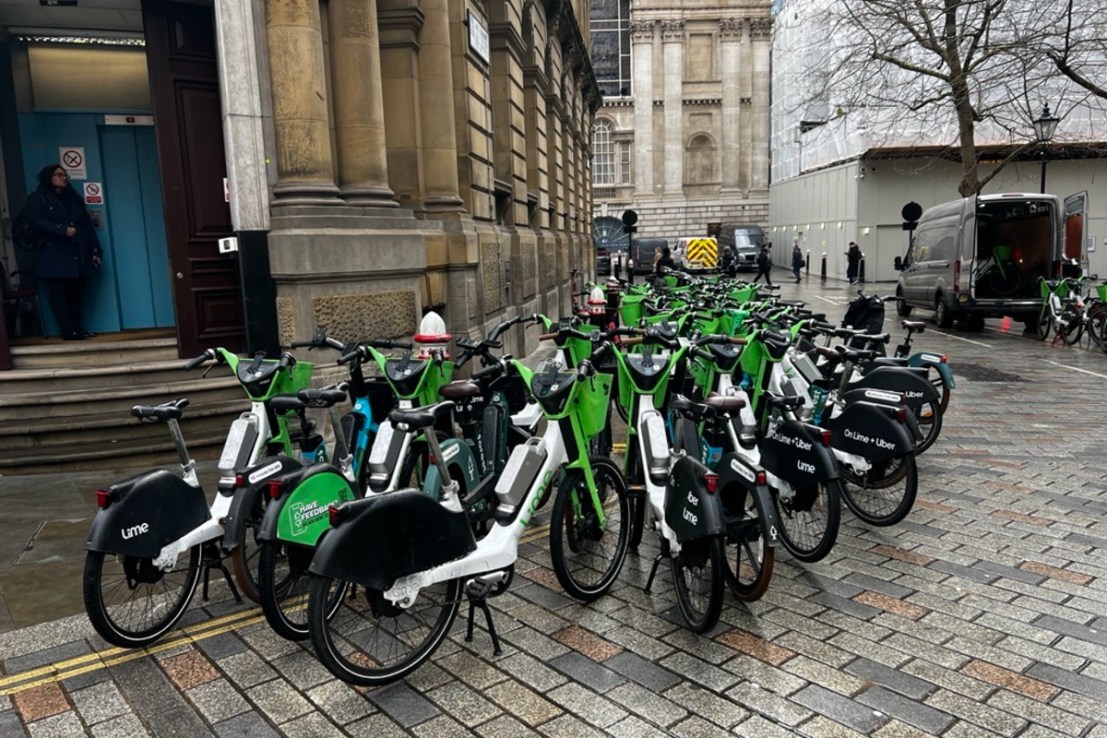
Lime has quietly raised the cost of its London e-bike rentals, City AM understands, increasing its per-minute rate from 29p to 31p, a seven per cent jump, without notifying customers.
The price of its 30-minute ride bundle has also risen sharply from £3.99 to £4.49, an increase of just over 12 per cent.
For regular riders, the changes add up quickly. A standard 20-minute pay-as-you-go journey, for example, that previously cost £5.80 now costs £6.20.
The stealth rise places Lime at a noticeably higher price point than rivals.
Forest charges a £1 unlocking fee, then 29p per minute, while Bolt offers a 30-minute pass for £2.99 or charges 29p per minute on standard rides.
It seems that none of Lime’s competitors have introduced comparable price increases in recent weeks.
City AM had approached Lime for comment.
A booming business facing mounting scrutiny
The price hikes land just weeks after Lime published its 2024 financial results showing its UK revenue surged 75 per cent in a year, rising to £111.3m.
Despite the jump, pre-tax profit edged down from £2.1m to £1.7m, as the firm expanded its fleet and operations.
Lime’s growth in the capital has been exponential, with the firm recording an 85 per cent increase in journeys last year, with 16m rides taken during commuting hours alone.
Its dominance now eclipses TfL’s Santander cycles: Lime is estimated to have at least 20,000 bikes on London’s streets, compared to Santander’s 12,000.
But the boom hasn’t come without its problems.
Trauma surgeons have reported a rise in injuries linked to the so-called ‘Lime bike leg’, caused by crashes involving the company’s heavier e-bike models.
Meanwhile, London boroughs have also stepped up pressure, with Hackney capping e-bike fares at £1.75 for trips within the borough.
Hounslow, on the other hand, ended its Lime trial entirely, and Westminster has begun issuing £100 fines directly to Lime and Forest for bikes left blocking pavements.
This fee is expected to be issued around 50 times a day, amounting to £1m in annual fines, as councils act on complaints that dockless bikes are cluttering streets and creating hazards for pedestrians.
At the same time, the ubiquitous, green e-bike operator faces growing competition from the likes of Forest, which has introduced a dynamic pricing system offering discounted rides for bikes left idle, or in over-supplied areas.
Hackney’s long-awaited five-year deal with Lime and Voi, excluding Forest, has also stirred contention.
Locals have complained about safety and rising e-bike traffic, though some residents welcomed the cheaper £1.75 fares.
Operators included in the deal must also share a slice of their revenue with the council.