Wealthy Brits are at risk of being slapped with higher taxes in the upcoming Autumn Budget as they fail to understand how to use their tax allowances.
The Treasury is scrambling to fill an estimated £20bn fiscal black hole in next week’s Budget and, with a wide spread of tax rises being discussed, many individuals are working to move their capital into tax-efficient wrappers and optimise their financial position.
However, among the UK’s wealthiest a serious knowledge gap persists, with significant numbers unaware of their tax relief and allowances.
According to research from investment platform Charles Stanley, nearly 50 per cent of high net worth (HNW) individuals revealed that they are unaware of what capital gains tax allowance.
The allowance is the amount of profit an individual can make each tax year from selling assets, such as second homes and shares outside of ISAs, before having to pay CGT.
In the 2025 tax year it reached an all time low, with the threshold standing at £3,000, down from £6,000 the previous year.
For individuals who were aware of the allowance, 32 per cent believed they could capitalise off the benefit but were unaware of how to do so, while 12 per cent were unsure if the allowance applied to them.
Tax relief
Similarly, over 65 per cent of HNWs admitted they were unsure of allowances surrounding inheritance tax (IHT)
The IHT threshold stands at £325,000 and is set to be frozen until 2030, but leftover pension pots will no longer be allowed to sit outside IHT rules from 2027.
The government estimates that the decision will raise a total £1.5bn for the Treasury by 2030, bringing in roughly 1.5 per cent more estates on top of the current 4 per cent.
However, two thirds did not understand what the nil-rate band allowance is, despite it allowing the first £325,000 from a person’s estate to be tax-free.
A further 40 per cent lacked clarity over tax relief on charitable donations, while over half did not know how to benefit from the relief.
Depending on the method of donation and tax status, such as leaving charitable gifts in a will, individuals may be eligible for a form of tax relief.
Other HNW individuals also admitted being in the dark of the annual gifting allowance and business relief.
Couples are also missing out on making the most of their marriage allowance, which allows the movement of up to £1,260 of a personal allowance tax-free to a higher earning spouse, lowering their tax bill.
60 per cent tax trap
A growing number of high earners are also finding themselves caught in the 60 per cent tax trap, which affects individuals earning between £100,000 to £125,140.
The tax-free standard personal allowance stands at £12,570, and once an earner exceeds the £100,000 tax threshold, that amount reduces by £1 for every £2 over.
More high earners have been caught in the tax trap, as the threshold has remained frozen while wages have risen in line with inflation.
However, making extra pension contributions through salary sacrifice can help bring earners back under the threshold.
But, this tax advantages may also be stripped away in the Autumn Budget, with the Treasury looking to cap the amount that can be sacrificed in a tax efficient way at just £2,000 per employee per year.
This will subject any further contributions to the standard tax rate of eight per cent for salaries under £50,270 and two per cent on any income above that.
Susceptible to tax changes
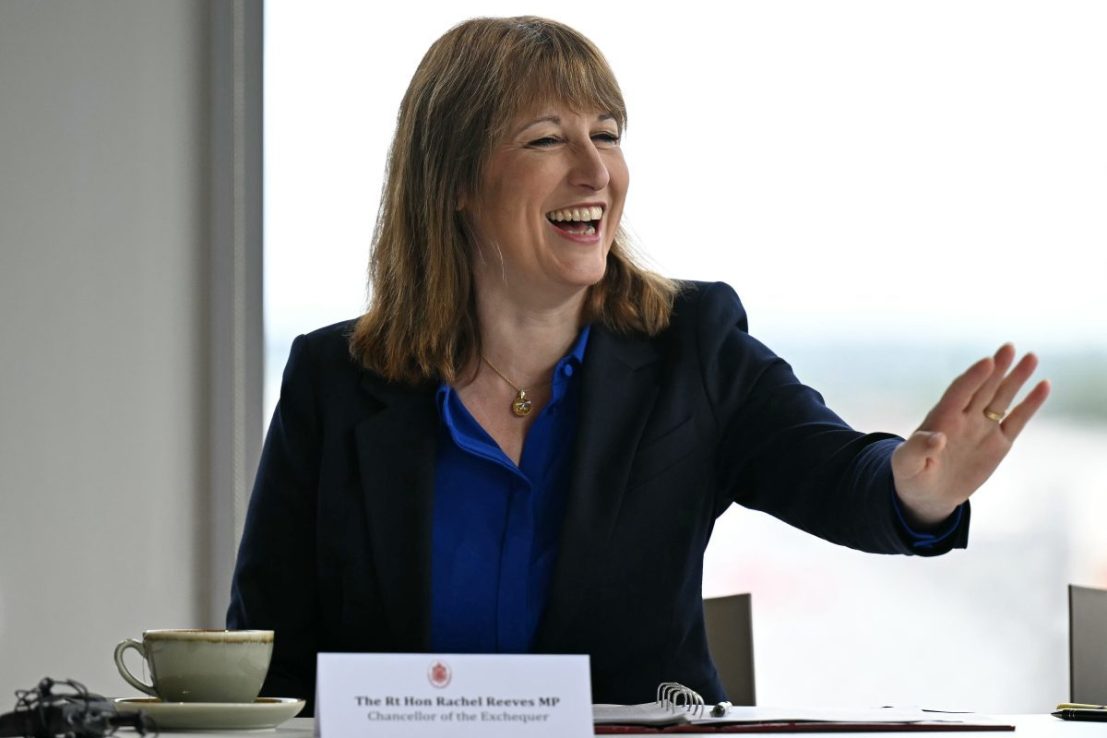
The lack of understanding surrounding tax allowances could lead HNW individuals to be susceptible to tax changes in the Autumn Budget or prevent them from taking any action prior to Chancellor Rachel Reeves’ crunch speech.
Harry Bell, director of financial planning at Charles Stanley, said: The Chancellor’s Budget draws closer and is poised to be one of the most consequential fiscal events this year.
“This inevitably brings a prospect of higher taxes and a sharp squeeze on consumers, and for higher earners it could have a more considerable impact on their finances.”
Bell added Brits should focus on how to “preserve and protect wealth in the long term”, and seek financial advice.