The SNP’s plan to issue quasi-sovereign bonds is little more than a political gesture that will ultimately push up the price of borrowing, says Tim Focas
The Scottish government’s plan to issue its first-ever £1.5bn of quasi-sovereign bonds, known as “kilts”, is being pitched as a confident stride towards financial maturity. In reality, it looks more like a politically motivated misstep that risks exposing Scotland to higher borrowing costs, market scepticism and the unforgiving discipline of bond investors who don’t care for constitutional grandstanding.
Yes, the credit ratings agencies have played along. Scotland has been awarded an AA/Aa3 rating, matching the UK’s. But let’s not kid ourselves. These grades rest almost entirely on the strength of Scotland’s integration with the wider UK fiscal framework. Strip out the stabilising influence of Westminster’s tax base, institutional scaffolding and debt management machinery, and the picture looks far less reassuring.
You don’t need to be a City veteran to see why. Scotland’s fiscal position remains challenging. Its deficit sits north of 11 per cent of GDP, more than triple the UK’s. Public spending in Scotland has repeatedly exceeded what the nation raises in revenue, leaving London to plug the gap. This isn’t a moral judgement, it’s a cold hard economic fact. Although it does raise a simple question of if you’re reliant on a larger sovereign to absorb your fiscal shocks, why bolt for the bond markets alone?
Bond investors are asking that question already. Scotland currently borrows cheaply through the National Loans Fund at only a modest premium over gilts. But standalone issuance is another game entirely. Kilts, lacking the liquidity, scale and track record of UK gilts, will almost certainly command a higher yield – even before investors begin pricing the ever-present political noise around independence. As Moody’s put it bluntly, independence risk would “exert downward pressure” on Scotland’s rating. Put differently, if constitutional uncertainty rears its head, kilts could unravel fast.
“Building credibility”
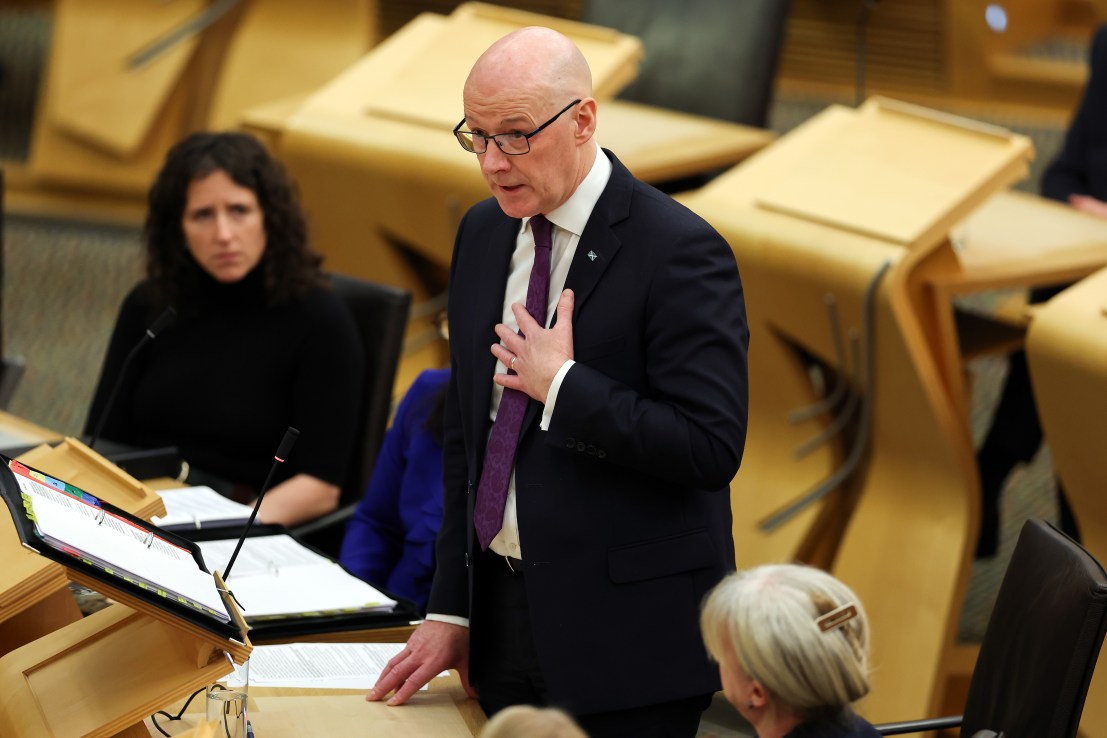
The First Minister insists this isn’t about politics. It’s about “building credibility”. The trouble is that’s about as credible as Wes Streeting saying “it’s not about who’s Prime Minister”. Ultimately, credibility isn’t conjured by ringing the opening bell of your own bond programme. It’s built through stable revenues, balanced budgets and consistent growth. These are three things Scotland currently does not yet have, and if history is anything to go by, may never have.
Economic growth is running at around one per cent, and the future revenue pipeline is hardly brimming with surpluses. The proceeds from the proposed bond sale, we’re told, will be funnelled into housing and net zero. Laudable aims, but investors will care far less about decarbonisation targets than about whether the issuer can service its debt in leaner years.
There is also the small matter of why this is necessary at all. If Scotland can already borrow more cheaply via the UK, issuing its own paper looks perilously close to a vanity project. A symbolic gesture dressed up as prudent fiscal management. It achieves little beyond saddling taxpayers with pricier debt and signalling to markets that Edinburgh wants to test-drive financial sovereignty before having the horsepower to sustain it.
None of this is to say Scotland shouldn’t aspire to hold the pen over more of its economic destiny. However, the brutal logic of debt markets makes it clear that credibility comes before sovereignty, not the other way around. Investors reward strong fundamentals and predictable governance, not political presentation. Until Scotland’s fiscal foundations strengthen, kilts are likely to serve as an expensive reminder that symbolism carries a yield – and the markets always demand their pound of flesh.
Tim Focas is head of capital markets at Aspectus Group