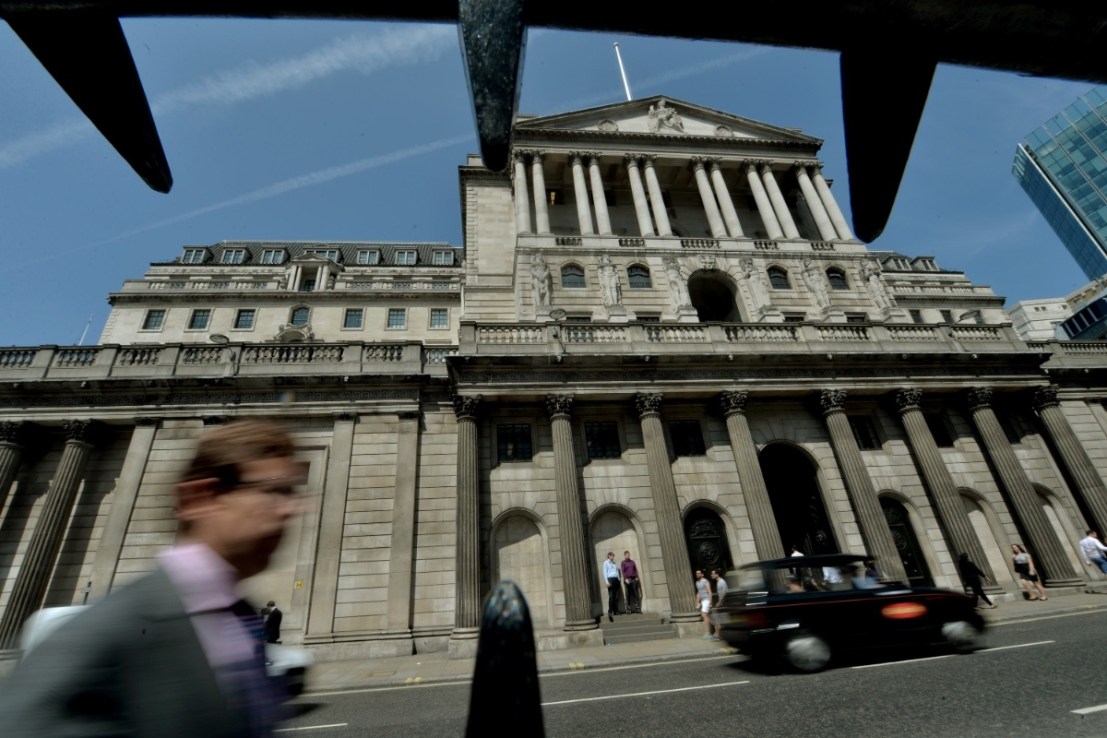
The UK banking watchdog has raised the cap for how much a customer can be paid if their provider fails.
The Prudential Regulation Authority (PRA) has hiked the limit to £120,000 from £85,000 meaning additional customer funds will be protected if their lender collapses.
The limits come under the Financial Services Compensation Scheme (FSCS), which the Bank of England consulted on changing earlier this year to bring in line with inflation.
The FSCS was introduced in 2001, as part of the Financial Services and Markets Act 2000, with the aim to consolidate different compensation schemes across the industry.
The £85,000 limit was first set in December 2010, signifying the sterling equivalent of the European Deposit Guarantee Schemes Directive, which required all EU member states to protect deposits up to the equivalent of €100,000.
The limit was cut to £75,000 amid a stronger pound in 2015, but increased back to £85,000 in 2017 amid the pound’s fall in value after the Brexit referendum.
Initial proposals to raise the limit this year suggested an increase to £110,000 but the regulator said it had been “changed in light of consultation feedback and to reflect the latest inflation data.”
Consumer price index inflation has remained sticky for the last year, remaining well above the Bank of England’s two per cent target at 3.8 per cent in September. Economists have pencilled in further modest easing down to 3.6 per cent in October.
As well as the protection limit, the cap for certain temporary high balance claims will also increase to £1.4m from £1m beginning on 1 December.
This covers qualifying live events such as buying or selling a house, or payouts from insurance policies.
Banking ‘confidence maintained’ by changes
Sam Woods, the chief executive of the PRA, said the changes will “help maintain the public’s confidence in the safety of their money”.
“Public confidence supports the strength of our financial system”.
The FSCS is funded by the financial services industry through industry levies, as opposed to the government or taxpayer.
The levies – which are grouped into different classes depending on the business conducted by the firms paying them – contribute towards the compensation paid to customers for valid claims when firms fail and the costs of running the FSCS service.
The scheme is mainly funded on a ‘pay-as-you-go’ basis, meaning levies are imposed to cover the projected costs arising in a 12-month period.
In its consultation published in March, the PRA said it had assessed “potential costs and benefits” to changing the limits.
The regulator said there would be “some costs” to firms but said these would be “outweighed by the benefits”.
Eric Leenders, a managing director at banking industry body UK Finance, said it was “right to update it to take account of inflation”.
“We will now work to support our members to implement these changes and ensure customers have all the information they need about FSCS deposit protection,” he added.