Lowering and freezing income tax thresholds would make a worker earning £44,000 as much as £3,000 worse off, as the Treasury appears to have ruled out an income tax rise in the 26 November Budget.
Analysis from Quilter has revealed that extending the current freeze alone would add an extra £843 tax bill to middle earners over the next four years.
This compounds existing worries that extending the freeze on thresholds would hit higher earners, with workers on middle incomes also taking the hit.
An extension would deepen the ‘fiscal drag’, with thresholds for income tax drifting further from rates of inflation.
The current freeze on income tax thresholds has been in place since 2021, back when Rishi Sunak was Chancellor and inflation sat around 2.5 per cent, and has been set to expire in 2028.
Shaun Moore, tax and financial planning expert at Quilter, said that lowering the thresholds would “compound the injustice” of fiscal drag, adding: “The idea of cutting income tax thresholds is essentially an attempt to pretend that the last few years of high inflation never happened.
“People have already been dragged into higher tax brackets simply because their wages have risen only to stand still in real terms.”
“For many households that combination [of fiscal drag and lower thresholds] will feel incredibly regressive and make them poorer in real terms despite on paper having higher salaries.”
Threshold freezes a ‘blunt and opaque tool’
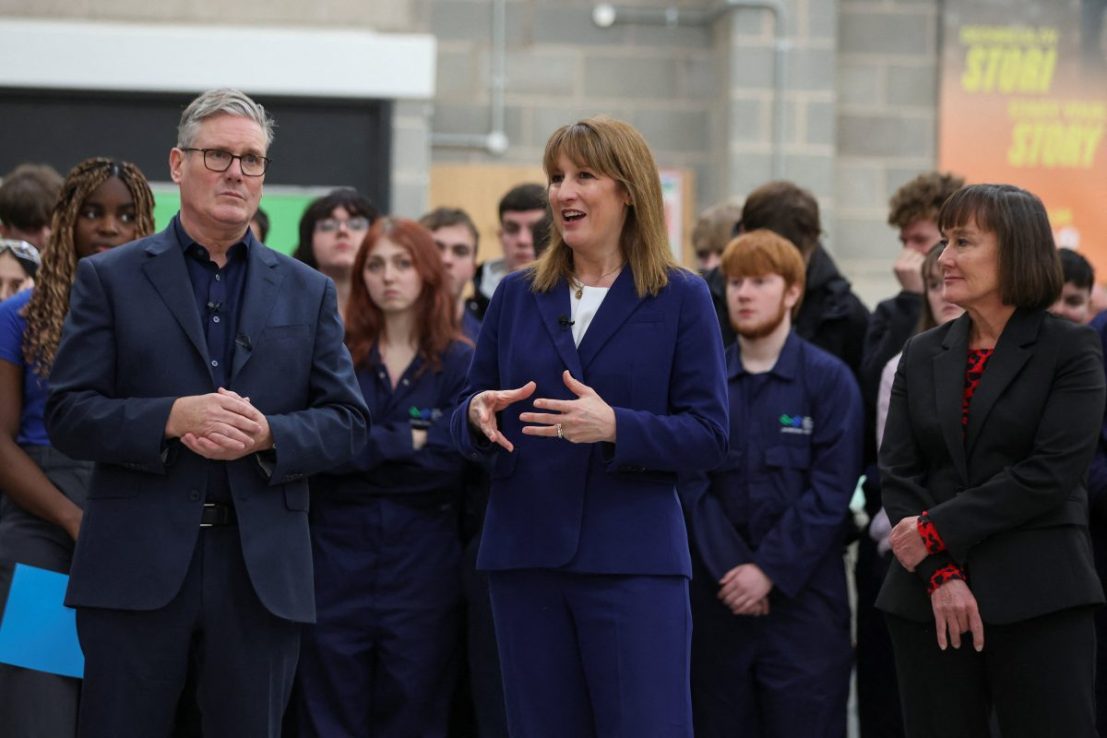
Nerves around the 26 November Budget have been ratcheted up to a new extreme on Friday morning, following a Financial Times report that Rachel Reeves has scrapped plans to straightforwardly hike income tax and is opting instead for a menu of stealthier tax hikes.
The Guardian’s Pippa Crerar has suggested that there was not the political will to push such a plainly manifesto-breaking policy through Cabinet and Labour MPs.
Moore said of the move: “Reeves might think this move side steps more criticism but it is likely to do the opposite. Instead the idea of a ‘smorgasbord’ of tax changes introduces yet more complexity to a tax system already plagued with it.”
He slammed the prospect of further threshold freezes as a “blunt and opaque tool and risks eroding trust in the tax system at a time when the public expects clarity and honesty about the fiscal choices ahead”.