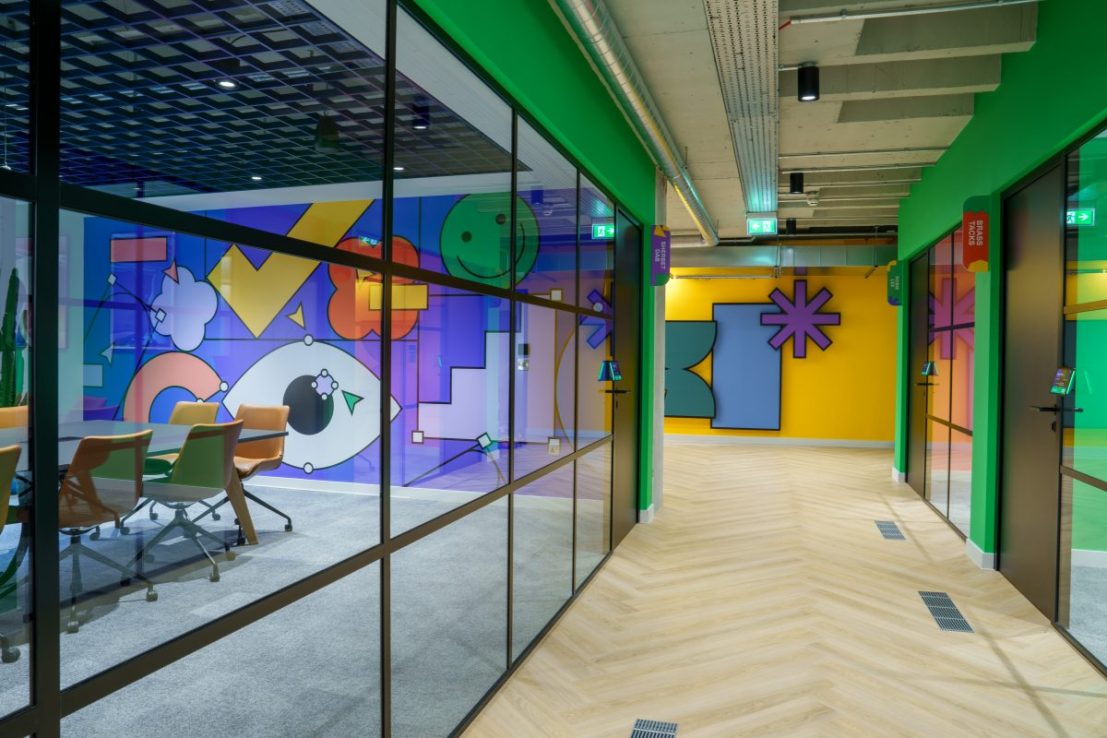
A fifth of London’s offices will be made up of co-working sites by as soon as 2030, in a further sign of the extent to which the pandemic-induced shift in working patterns is reshaping the capital’s commercial property market.
So-called ‘flex’ spaces currently represent just 12 per cent of the total London office market, but according to fresh data shared exclusively with City AM that proportion will nearly double in fewer than five years.
Global real estate adviser CBRE, which conducted the study, expects the capital’s flexible office market to reach 50m sq ft by 2030, as a period of sustained occupier demand is now being met by a sharp uptick in the number of landlords embracing the sector.
Landlords tend to be able to charge flex tenants more per square foot and enjoy higher levels of leasing activity by supplying flex and coworking office spaces.
Researchers added that some traditional landlords have also begun offering flex-like terms to London tenants even in buildings not marketed or geared towards the flexible market, in a phenomenon CBRE analysts have branded “the shadow flex market”.
“We are confident that the market will continue to expand due to the sustained and increasing demand for flexibility from occupiers,” said Michael Glynn, head of UK flex at CBRE. “Defining the flex market, while challenging, is crucial for accurately assessing the opportunities within central London.”
The segment’s growth has also sparked a rise in the so-called ‘brandlord’ space, whereby public-facing brands are created, operated and managed by landlords. CBRE predicts the subsector will comprise 3m sq ft by 2030, a 200 per cent increase on the current figure.
Landlords that do so will pay for furnishing and other amenities like internet and staffing upfront, and then look to secure tenants on short but lucrative contracts.
Provider struggles despite growth in market for flexible offices
Last year, the Duke of Westminster’s Grosvenor estate said it would more than double its provision of flexible office space in its sprawling prime central London portfolio in a bid to cater to changing tastes in the wake of the pandemic.
But despite its widening grip of London’s market for offices, the sector’s near-term focus and unreliable rent revenue has also resulted in a spate of high-profile failures and struggles from its best-known players. Earlier this year, London-listed flexible office provider Workspace was forced to slash its profit expectations for next year amid swelling operating costs and high turnover of tenants.
Workspaces’ difficulties follow the ignominious collapse of Wework. The US coworking trailblazer grew rapidly from a New York start-up to a $47bn company in just a few years on investor hopes it would revolutionise the office market. But a failed IPO and governance issues issues resulted in an unceremonious ousting of its founder and saw its valuation plummet.
It filed for bankruptcy in 2023 buckling under ballooning debts and sky-high rents. Shortly before its collapse, it was spending a reported 80 per cent of its revenue on rent and debt interest.