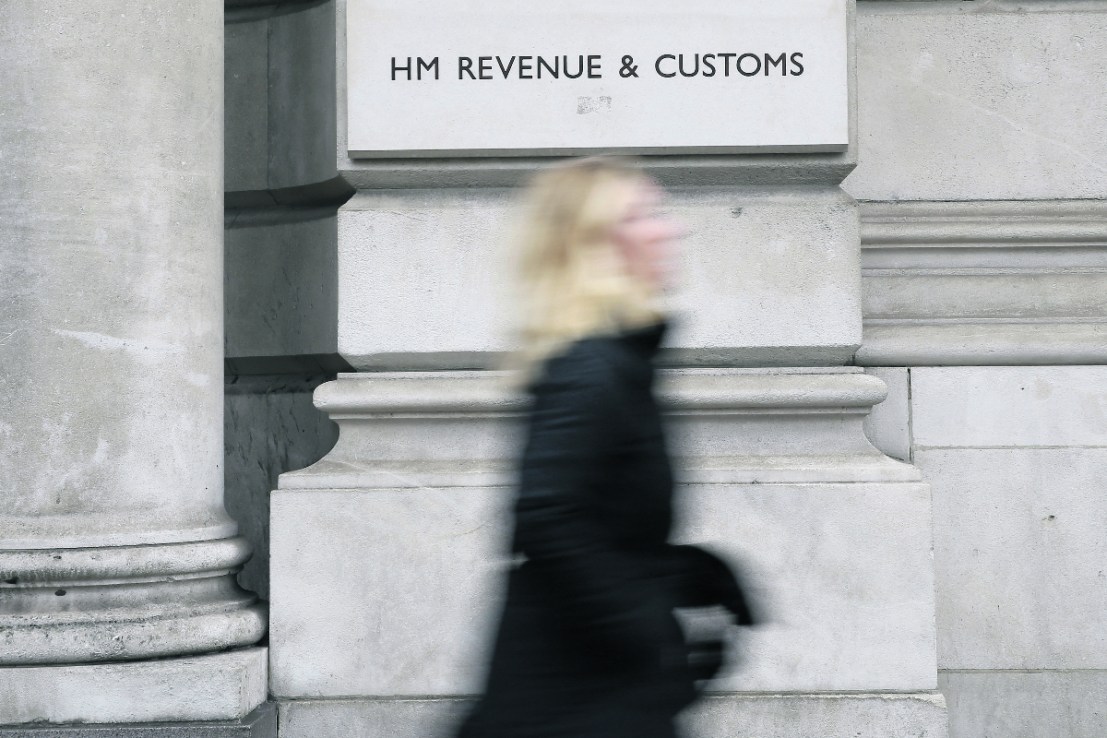
Chancellor Rachel Reeves is set to reveal a US-style whistleblower scheme to combat large-scale tax fraud.
Later this month, HMRC is expected to launch a reward scheme, according to the Financial Times, which could pay informants as much as 30 per cent of any taxes collected as a result of tip-offs.
The new US-style incentive programme will be the first of its kind in the UK, as the traditional approach in Britain towards whistleblowing is that people should report wrongdoing without a monetary incentive.
The most recent estimate is that tax evasion in the UK reached £5.5bn in 2022–23, but as suggested by the Public Accounts Committee (PAC), this figure could be “just the tip of the iceberg”.
The Treasury has also lost £47bn over the 2023-24 tax year in unpaid taxes.
As Reeves has a fiscal hole to fill, she is expected to use her Autumn Budget speech to outline the new tool HMRC is gaining to tackle unpaid tax.
Focus on closing tax gap
The new scheme will target higher-value tax fraud and is expected to supercharge the government’s enforcement capabilities.
This comes after the tax agency paid out nearly £1m in tax fraud tip-offs over 2023/24, 92 per cent higher than the £508,500 paid over 2022/23.
HMRC has also increased its raid over the years, after data showed it launched 458 raids (April 2021 – March 2022), 623 raids (April 2022 – March 2023), and 648 raids (April 2023 – March 2024).
The increase in activity from HMRC comes as Labour pushes its ‘Close the Tax Gap’ initiative.
The HMRC is not the only body that has been open to adopting the US-style approach to paying whistleblowers, as Nick Ephgrave, the director of the Serious Fraud Office (SFO) at the time, was very open to the idea when he took on the role.
“If you look at the example of the US, their system allows that, and I think 86 per cent of the $2.2bn in civil settlements and judgments recovered by the US Department of Justice were based on whistleblower information,” stated Ephgrave in February 2024.
This comes as fraud losses hit £629m in the first half of 2025, according to trade body UK Finance, as AI enables criminals to commit more sophisticated scams.