The UK is facing a “quiet but urgent crisis” on workplace sickness that costs the country around seven per cent of GDP each year, a review by former John Lewis boss Sir Charlie Mayfield has found.
The Keep Britain Working Review, an independent report by Mayfield for the Department for Work and Pensions (DWP) and the Department for Business and Trade (DBT), has uncovered the costs of ill health for the UK economy.
The report found that poor workplace health trends cost businesses around £85m a year as Mayfield warned that the country was “sliding into an avoidable crisis”, holding growth back and leading people to be more dependent on the state.
More than half of the costs of ill health on the UK economy, calculated at £47bn, are from lost output when employees cannot work.
Lost productivity and administrative costs from litigation or recruitment also add to the costs on the UK economy.
In response to the report, over 60 employers including British Airways, Jaguar Land Rover and Rio Tinto confirmed they would work with the government to change workplace health approaches over the next three years.
“Work can be demanding. Setbacks are part of life. Health and work are not always easy partners, but they are mutually reinforcing,” Mayfield said.
He also said workers often had to take “personal responsibility” for leaving jobs due to ill health, with 800,000 more people now out of work than in 2019 due to health problems.
The Mayfield report also threw a spotlight on the rising number of economic inactivity among young people due to long-term sickness, with the number of 16 to 34-year-olds out of work due to a mental health condition rising by 76 per cent between 2019 and 2024.
The review, which was conducted over 10 months, underlined how 93 per cent of sick notes in England deemed patients “not fit for work” and could be extended without consultation.
Mayfield said that sick notes could sometimes be “problematic” and become a “barrier to contact, further embedding distance between employer and employee”.
A key recommendation in the report calls on employers to take on greater responsibility for individuals’ health in addition to the NHS and workers themselves.
Rising workplace sickness is ‘avoidable’
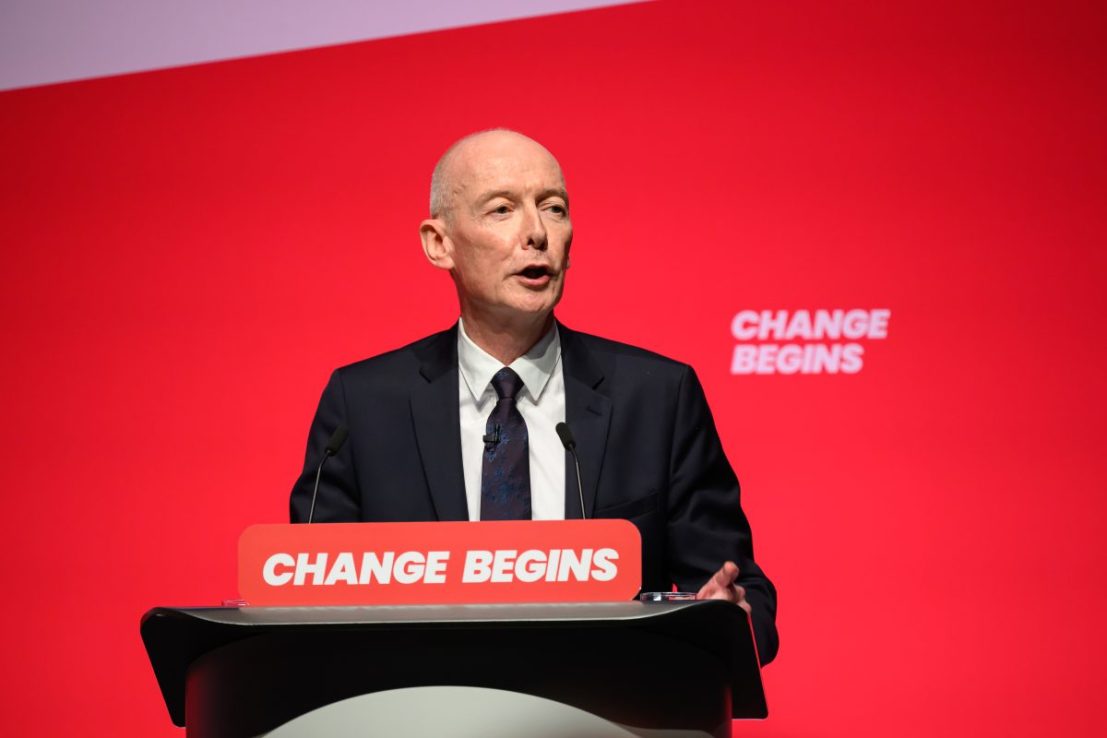
Work and pensions secretary Pat McFadden said more employers could help staff swiftly return to work after sickness.
“Employers are uniquely placed to make a difference, preventing health issues where possible, supporting people when they arise, and helping them return to work,” McFadden said.
“If we keep Britain working, everyone wins – people, employers, and the state.
“That’s why the action the government is taking forward from my review is so important.”
Business secretary Peter Kyle said: “Business is our partner in building a productive workforce – because when businesses retain talent and reduce workplace ill health, everyone wins.
“That’s why we’re acting now to launch employer-led vanguards as part of the plan for change, driving economic growth and opportunity across the country.”
Business leaders said they would help to draw up plans to stop growing health problems in different workplaces.
“Businesses recognise the urgent need to deliver a positive step-change in how government and firms work together to support people experiencing health-related barriers to work,” John Foster, chief policy and campaigns officer at the Confederation of British Industry, said.
“With the cost of employing people already a barrier to creating jobs, it’s right that the focus is on how to help firms make the most of their considerable investment in health and wellbeing through better data about what works.
Jane Gratton, deputy director of public policy at the British Chambers of Commerce (BCC), said: “This report is a hugely important contribution to tackling the issue and helping businesses access and retain a skilled workforce.
“The report supports several long-standing BCC recommendations including exploring a statutory sick pay rebate for SMEs and pooled access for employee health support in the workplace.
“But at a time of surging business costs, support and incentives are crucial to ensuring businesses of all sizes can get involved.”