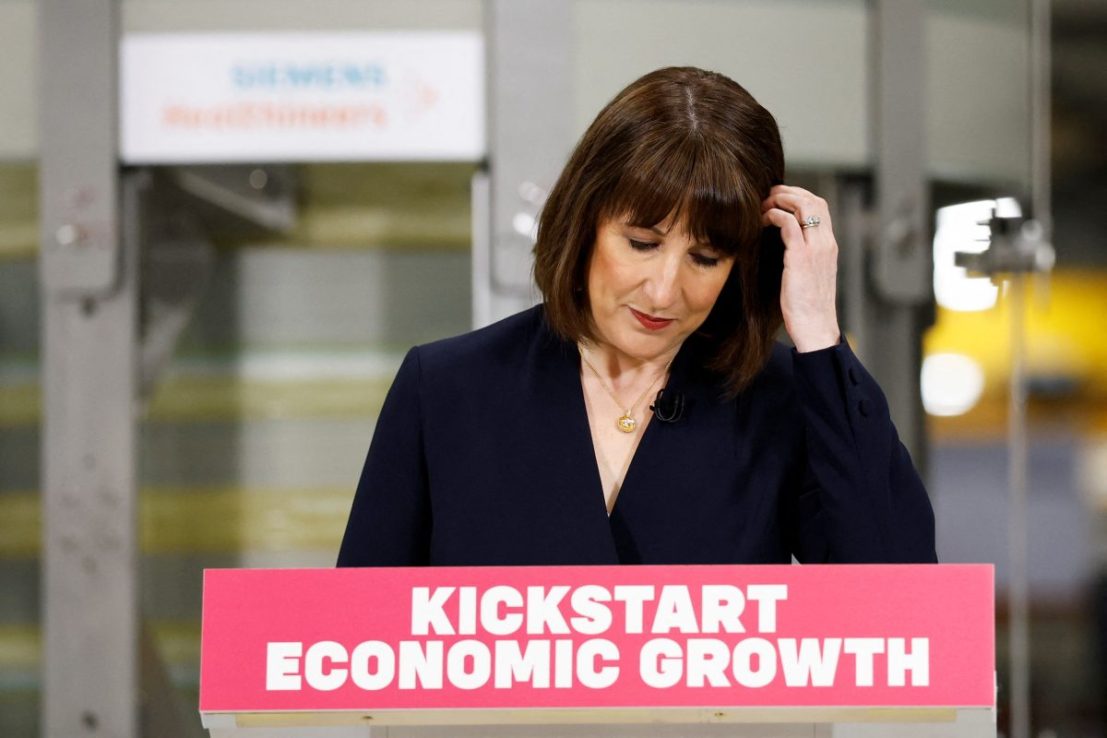
Rachel Reeves’ deregulation agenda is unlikely to make any improvement to economic growth before the end of this parliament, a leading economist has warned, in the latest sign the government’s growth mission is running out of steam.
Professor Stephen Millard, Deputy Director of the National Institute for Social and Economic Research (NIESR) said it would take more than five years for the Chancellor’s campaign to cut red tape to bear fruit, after the institute said the UK’s growth rate would fall from 1.5 per cent this year to just 1.2 per cent in 2026.
“The big problem is that, even if you are going to get higher growth through deregulation, it takes time for that higher growth to kick in,” Millard said.
“I’d be very surprised if you saw it in the growth numbers within the next five years.
“That’s not to say that she shouldn’t be doing it – she clearly should be and it clearly helps growth – it’s just not very clear that it will necessarily help in terms of the current fiscal [outlook].”
In a series of speeches in the Square Mile, Reeves has doubled down on her commitment to bring down compliance costs for businesses by paring back their regulatory burden.
The Chancellor has also written to the UK’s top regulators, urging them to adopt a more pro-growth approach to how they oversee business activities.
But the results of Reeves’ efforts are likely to take years to come to fruition, as regulators embark on a series of months-long consultations before introducing rule-changes.
The UK’s fiscal watchdog is expected to publish its own assessment on the impact of Reeves’ regulatory reforms on the economy and over what time horizon ahead of the Budget later this month.
Reeves will need £50bn tax hike to stabilise fiscal position, NIESR says
The warning comes as NIESR said the government may have to raise taxes by as much as £50bn to stabilise its fiscal position after Reeves’ wafer-thin fiscal buffer proved ineffective.
The institute called on the government to raise its fiscal headroom to at least £30bn – up from the current £10bn – to bring it in line with the historic trend of at least one per cent of GDP, to allow the Treasury breathing room to deal with future changes to the economy.
NIESR’s latest report said a greater fiscal headroom would “help avoid a recurring cycle of mini fiscal resets,” warning that “many firms are adopting defensive positions in response to cost pressures and uncertainties over future tax changes.”
“We don’t know when the next big shock will be,” said NIESR senior economist Ben Caswell.
“Given the fragility of the fiscal position, now is the right time to start thinking about bringing the debt down and safeguarding the economy for whatever shocks might come in the future.
“You may have heard the saying that you should fix the roof when the sun is shining…in the UK, the sun doesn’t shine very often so it may be better to fix the roof in light drizzle than when there’s a thunderstorm.”