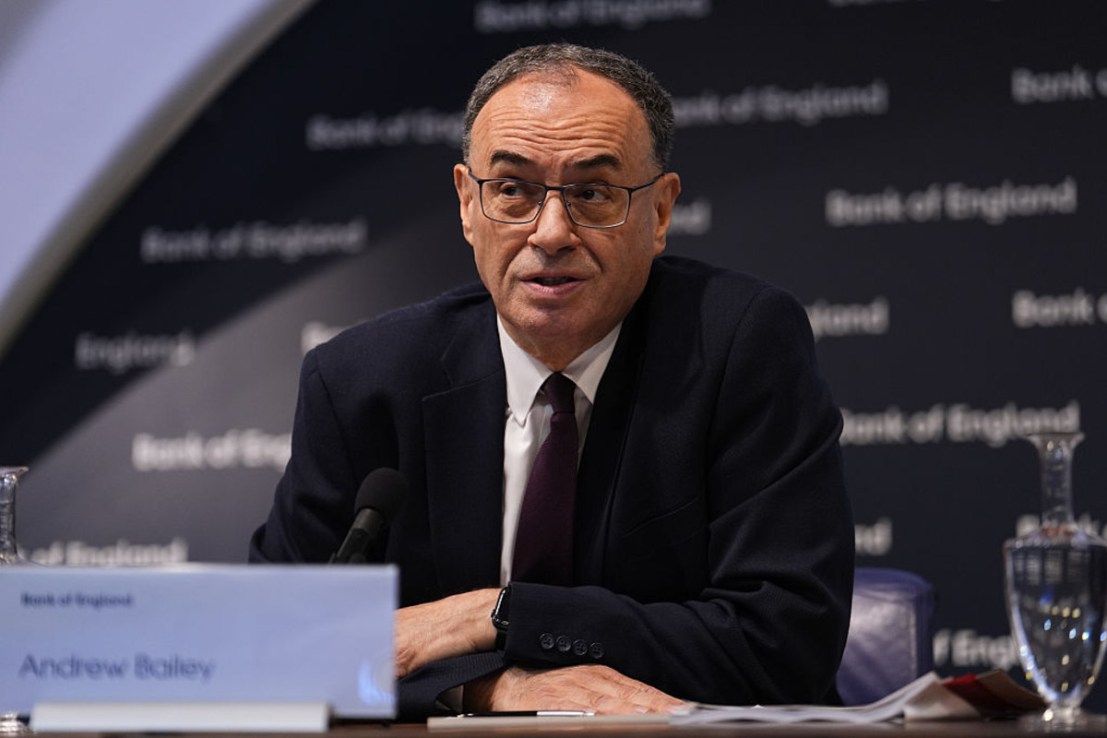
Bank of England Governor Andrew Bailey is set to have the deciding vote on whether to slash interest rates by 25 basis points, analysts have said.
The Bank is expected to keep interest rates on hold at four per cent but several analysts have said the decision is on a knife-edge, with four Monetary Policy Committee (MPC) members expected to vote each way.
This even split on the MPC would leave Bailey, who has offered mixed views on the path of interest rates, to decide whether borrowing costs should be lowered.
Analysis by several City firms has indicated that four members expected to vote for a cut include external members Swati Dhingra and Alan Taylor plus deputy governors Sarah Breeden and Dave Ramsden.
Taylor or Dhingra could back a larger 50 basis point cut, which could force Bailey to call another vote for the second meeting in a row.
Taylor has suggested that keeping monetary policy too tight could be risky for the UK economy, stifling investment levels and damaging the jobs market.
The hawks Catherine Mann, Megan Greene, Clare Lombardelli and Huw Pill are expected to vote for interest rates to be held amid fears about higher inflation expectations and wage-setting trends keeping price growth elevated.
The last set of inflation data showed inflation remaining at 3.8 per cent, which was 0.2 percentage points below the Bank of England’s forecast yet nearly double its two per cent target rate.
Breeden is another MPC member whose vote could swing the decision given she has not dissented against a majority decision over the last two years.
Policymakers are also set to base part of their decision on fresh survey data in the Bank’s Decision Maker Panel showing trends in inflation expectations among UK households. The survey will be published on the same day as the MPC’s interest rates decision.
“It could be close,” ING economist James Smith said.
“Remember that four committee members are known hawks who are unlikely to back another cut this time, having objected to one in August. That potentially tees up Governor Andrew Bailey as the deciding vote.
“Given he’s done little to downplay the chances of a pause in November, we suspect he’ll lean towards keeping rates on hold.”
“It’s tempting to say such a closely run vote sets the bar low for a December cut, if all it takes is one or two voters to shift. Yet in practice, these vote splits aren’t always a reliable guide to policy shifts in the future.”
Reeves to influence innterest rates decision
Barclays’ Jack Meaning has predicted that Bailey will vote for a cut due to recent data trends showing lower inflation than expected and a continued decline in the jobs market.
Bailey’s most recent set of public comments pointed to “some softening of the labour market”, which could signal his more dovish tilt.
Chancellor Rachel Reeves’ recent comments claiming the upcoming Budget will focus on curbing the cost of living could also implictly encourage Bailey to vote for a cut, Meaning added.
“We think the data flow and news about the shape of the upcoming budget will be sufficient to tip him in favour of a cut and maintaining the hereto quarterly easing cycle that we interpret as being consistent with the ‘gradual and careful’ language the committee chose to retain in its September minutes,” Meaning said.
“With the meeting finely balanced, we think there are risks on both sides. Governor Bailey may be inclined to vote for a hold if he sees option value in waiting to see the outcome of the budget, or if he is more concerned than we have assessed about the levels of spot inflation and wage growth compared with forward-looking risks.”