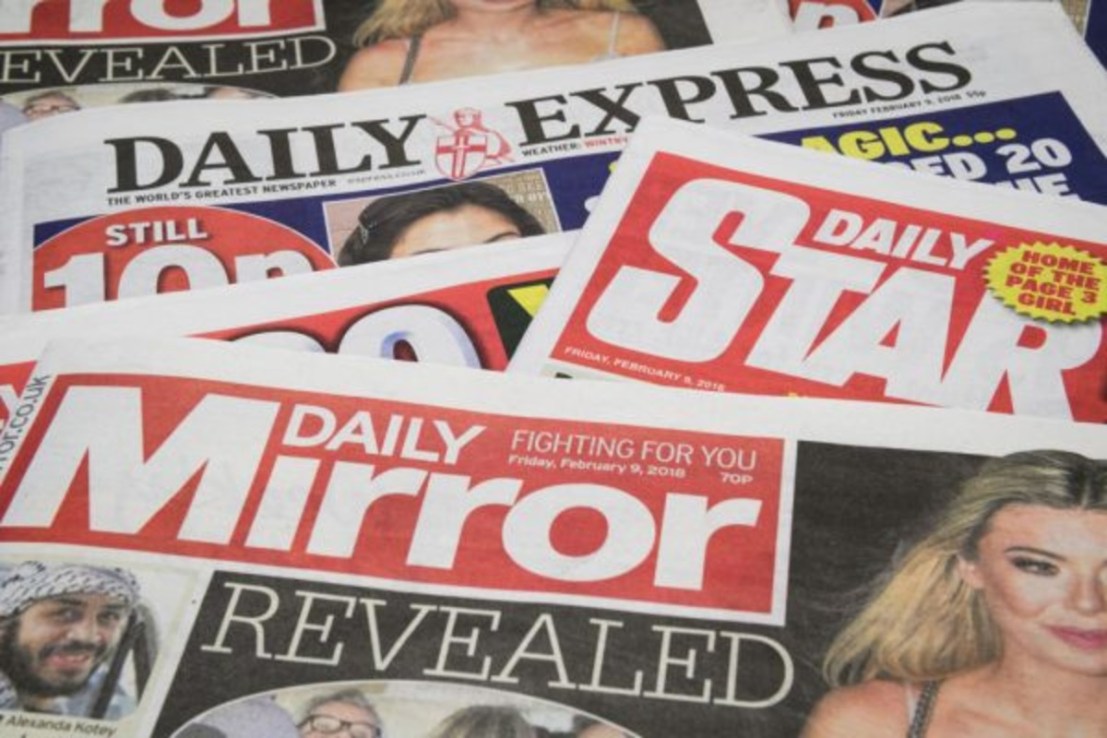
Britain’s media leaders have urged the Prime Minister to take decisive action to protect trusted journalism from a rising tide of misinformation, warning that the future of the country’s news ecosystem is at risk.
In a letter to Keir Starmer, senior figures from the BBC, Sky, ITN, and the News Media Association (NMA), which represents national and regional publishers, called for stronger safeguards to ensure that reliable news sources are not drowned out by fake or AI-generated content on major tech platforms.
This marks the launch of the ‘journalism matters’ campaign, a joint industry effort urging the government to give regulators like the Competition and Markets Authority (CMA) new powers to tackle what they describe as ‘anti-competitive’ behaviour by Big Tech, including search algorithms that prioritise unverifiable online material over professional reporting.
NMA chief executive Owen Meredith said the dominance of tech platforms over online news distribution had reached a “breaking point”.
“Trusted sources of information matter more than ever,” he said. “Yet the tech platforms, the main gatekeepers to news, are downgrading journalism in favour of AI-generated slop. They’re using our content to train AI products with no transparency or oversight. That’s unsustainable.”
AI misinformation fears grow
BBC News chief executive Deborah Turness warned that AI chatbots and assistants could distort factual information and undermine public trust.
“AI can bring endless opportunities,” she said. “But our research has shown the dangers of distortion from AI assistants, which could undermine people’s trust in facts. It’s vital we take steps to address these dangers.”
ITN chief executive Rachel Corp said the broadcaster was already combining AI tools with human expertise to verify political statements, including fact-checking Donald Trump’s election speeches, but warned of an “alarming rise” in misleading material.
“The challenge now is ensuring people can access and recognise reliable information,” she said. “To achieve this, we need government support to promote the responsible use of AI.”
Sky News Group executive chairman David Rhodes added that “clear, fair rules” were essential to maintain public trust, noting that journalism operates within “one of the most heavily regulated sectors in Britain, unlike social media.”
Pressure on AI oversight
The plea from media bosses comes after a coalition of leading creative figures and organisations, including Sir Elton John and Paul McCartney, accused the government of failing to protect artists’ rights from AI companies accused of scraping copyrighted material without permission.
In an open letter last month, the group demanded the government explain why it blocked proposed amendments to the Data Use and Access Act that would have required AI developers to disclose when they used copyrighted works to train their models.
Baroness Beeban Kidron, who led the push for stronger AI copyright protections, warned that ministers had “knowingly undermined the foundations of the UK’s creative industries” by prioritising trade deals and Big Tech partnerships over domestic talent.
Industry groups, including the News Media Association, Getty Images, Telegraph Media Group and UK Music, have argued that the government’s current stance risks “ceding control of the UK’s creative economy to overseas interests.”
The growing cross-sector pressure highlights an early challenge for Starmer’s administration as it seeks to balance AI innovation with protections for creators and journalists.
The government is currently consulting on new AI and copyright frameworks, with ministers insisting that “no changes will be considered unless they work for creators.”
However, campaigners warn that without intervention, the UK risks hollowing out its creative and media sectors just as AI-driven misinformation accelerates.
Meredith added: “If the prime minister doesn’t act now, we risk creating an information ecosystem filled entirely with mis- and disinformation. The survival of trusted UK journalism depends on it.”