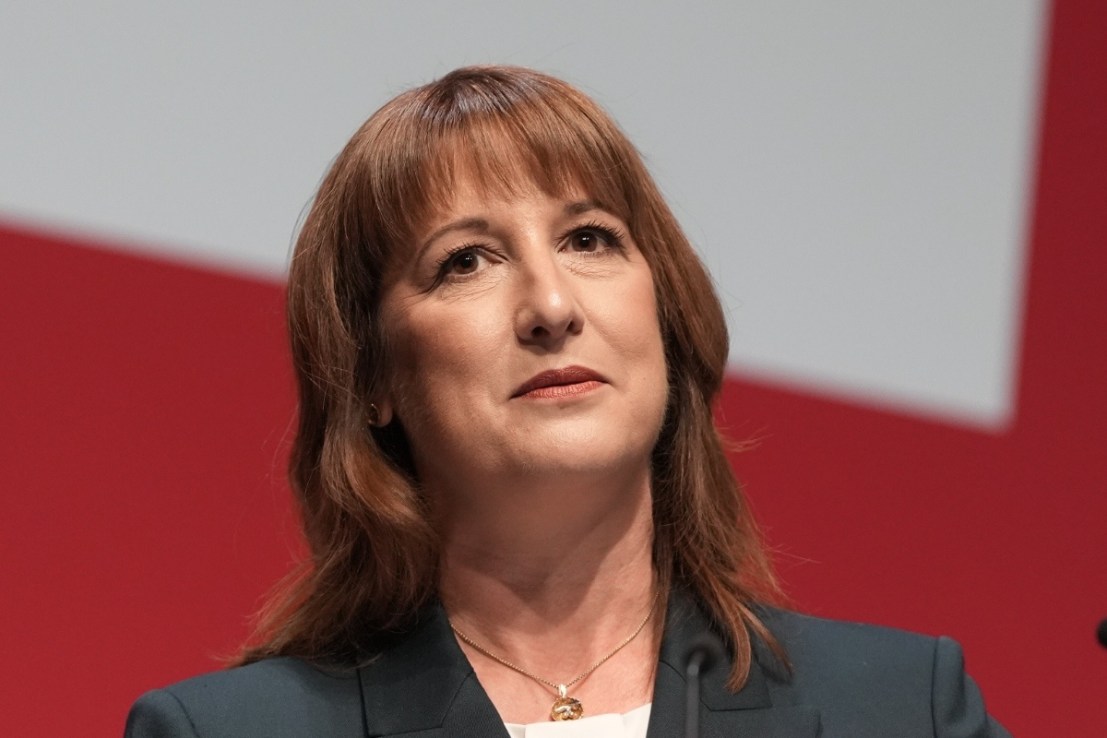
Rachel Reeves pledge to reform the absurd Motability scheme essentially amounts to giving alcoholics Peugeots instead of a BMWs, says Jack Rankin
As Rachel Reeves continues to take the scenic route to the next Budget, rumours are swirling that she is setting her sights on the Motability Scheme, hoping to claw back around £1bn in savings.
I suspect plenty of other small-state supremos had to do a double-take at that headline. Just a few weeks after Motability’s giant stand gleamed loudly and proudly at the centre of Labour’s conference, dare we hope that the Chancellor is about to get serious in tackling one of the state’s biggest insults to taxpayers?
Let’s examine what has actually come to light. Reports suggest Reeves is looking to scrap tax breaks worth around £1bn a year, which would roll back on the generous tax loophole that lets Motability cars dodge VAT and insurance premiums. It is also understood that she is looking to remove luxury cars like £40k BMWs from part of the scheme.
While this is a small step in the right direction, it barely scrapes the surface of the real reforms needed to drag this Scheme back to a place where it no longer works against the interests of the British people.
Motability – once founded with noble intentions to help people with genuine, severe disabilities maintain their independence and mobility (often reducing their dependence on state-funded care transport) – has now become emblematic of a welfare system that has become absurd.
The Scheme is routinely covering people with ADHD, obesity and anxiety, and, astonishingly, brand new cars are being handed out to individuals with alcohol-related issues or histories of drug misuse
Taxpayers’ Alliance analysis has shown that nearly 1.9m people are receiving the mobility component of enhanced Personal Independence Payment (PIP) – up a staggering 142 per cent since 2019. Yet, over 90 per cent of Motability cars are delivered without adaptations at all. The Scheme is routinely covering people with ADHD, obesity and anxiety, and, astonishingly, brand new cars are being handed out to individuals with alcohol-related issues or histories of drug misuse. While millions of working Britons struggle to afford a car at all, the state is dishing out free vehicles to people whose mobility issues are often self-inflicted or barely assessed. If this does not prove system failure and a total abandonment of common sense in favour of mindless bureaucracy, I don’t know what does.
All the while, Motability’s chief executive took home £658,000 and the ‘charity’ made £748m in profit last year alone.
Kemi gets it
The message could not be clearer – Motability needs to start serving the British taxpayer. Its eligibility criteria and assessment process need a total overhaul, not just changes to the tax breaks and premium car element.
While we wait to see whether the Chancellor listens to this plea, Kemi Badenoch has asserted her position that these reforms must be about fairness and integrity. As she said during a recent speech on welfare: “The assessment system surely can’t have been designed with that intention and we cannot allow it to continue for a moment longer.”
Kemi gets it. If the eligibility bar remains this low, it won’t matter what badge is on the bonnet – taxpayers will still be footing an unsustainable bill. Under Reeves’ half-baked plans, instead of giving someone a non-adapted BMW or Mercedes, they’ll get a Peugeot. This isn’t reform, it’s just tinkering around the edges.
But should we really be surprised at this lack of interest in making meaningful changes to welfare? It was after all Keir Starmer who could not even shave £5bn off the welfare bill without facing a huge rebellion from his backbenches. If common sense reforms to Motability and PIP can’t be made, what chance does the British state have?
Like we have seen so many times before, Rachel Reeves’ mooted £1bn cut is designed to look tough without upsetting backbench MPs.
Britain can ill-afford a Labour Party unable to reduce welfare, or Reform which seem to be intent on increasing the welfare state through policies like scrapping the two-child benefit cap. While it’s undeniable that Motability began spiralling out of control under the last government, the Conservative Party under Kemi Badenoch has a serious plan to right these wrongs and target welfare to those who need it the most. We must now begin selling that message.
Jack Rankin is the Conservative Member of Parliament for Windsor.