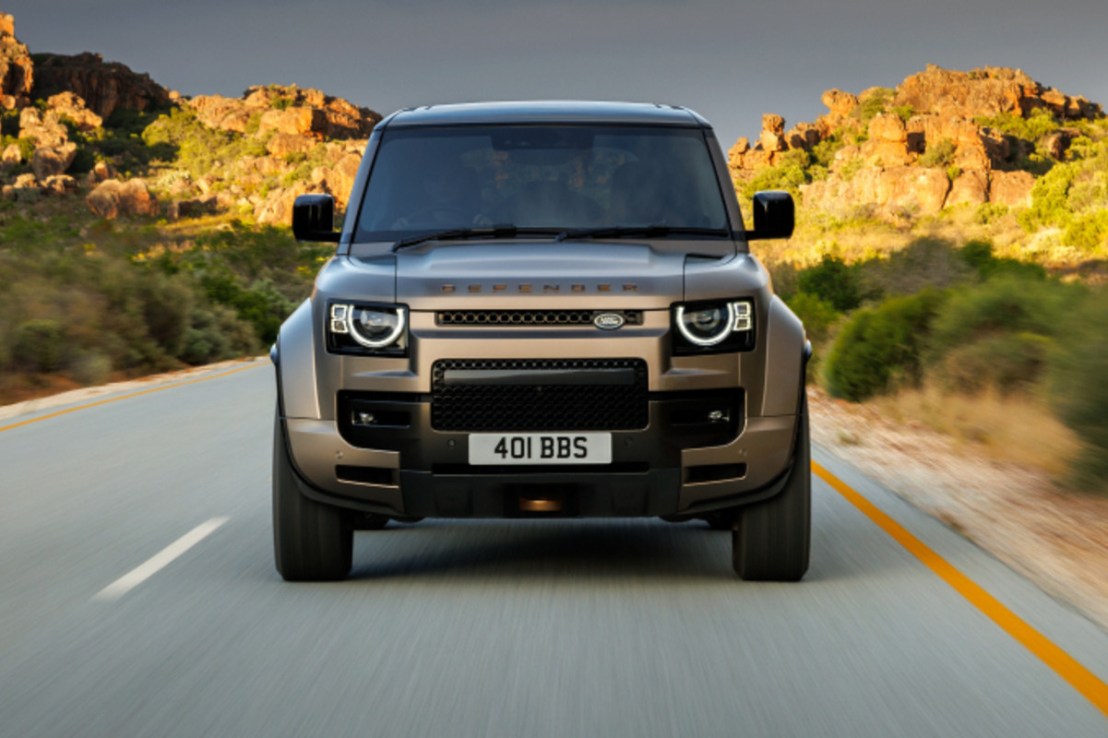
The most expensive cyber attack in British history suffered by Jaguar Land Rover contributed to car production being slashed by almost 30 per cent in September, according to new figures.
Jaguar Land Rover was forced to halt production for five weeks from 1 September which has been estimated to have cost the UK around £1.9bn.
According to research from the Cyber Monitoring Centre (CMC), a non-profit group that tracks major cyber incidents, found that around 5,000 organisations across the country were affected by the fallout of the attack
Jaguar Land Rover only partially restarted UK operations earlier this month and is not expected to fully recover until January 2026.
According to new figures published by the Society of Motor Manufacturers and Traders (SMMT), UK car production fell by 27.1 per cent in September.
A total of 51,090 vehicles left factory gates during the month, with JLR’s cyber attack largely responsible for the decline as other major manufacturers reported growth.
Almost half (47.8 per cent) of cars made in the month were either battery electric, plug-in hybrid or hybrid, with volumes up 14.7 per cent to 24,445.
The overall car production for the UK market slumped by 34.1 per cent to 12,269 while exports declined by 24.5 per cent.
A total of 38,821 cars were made for global markets – representing 76 per cent of the overall output – with the EU, US, Turkey, Japan and South Korea the top five destinations.
However, the production of commercial vehicles fell for a sixth consecutive month, this time by a huge 77.9 per cent to 3,229.
The SMMT said the slump was mainly because of “the consolidation of operations by a leading manufacturer” – Stellantis.
As a result, combined car and van production was down by 35.9 per cent in September to 54,319 vehicles.
In the year to date, UK car and van factories have turned out a combined 582,250 vehicles, a 15.2 per cent decline on the equivalent period in 2024.
Car industry’s plea to Reeves before Budget
The figures have been published ahead of Chancellor Rachel Reeves’ Budget on 26 November and amid calls from the car making industry to introduce policies to support it.
The sector has warned of “severe and lasting damage to jobs and the industry’s competitiveness” if Reeves “pushes ahead with plans to end critical” Employee Car Ownership Schemes (ECOS).
The SMMT has said these schemes are an “important part of manufacturer remuneration packages” which allow employees to access the products they make and sell affordably.
However, the industry body said the government intends to reclassify ECOS vehicles to make them liable for company car tax, “putting them out of reach for most automotive workers”.
According to new analysis by the SMMT, 60,000 automotive manufacturing workers could be affected, cutting the value of their remuneration and leaving them without personal transport.
It added that the impact will be “especially severe for factory employees in regions lacking adequate public transport, making it more difficult to work flexible shift patterns and more challenging to recruit people into a sector already suffering a skills shortage”.
The SMMT also said that it could lead to 80,000 fewer new car sales per year, “irrevocable damage to the nearly new and used markets, and an equally significant reduction in UK production volumes of up to 20,000 cars”.
The industry body said that such a reduction would amount to a loss of more than £1bn in revenue, putting some 5,000 manufacturing jobs at risk, and a near £500m hit to government finances from lost VAT and Vehicle Excise Duty receipts.
Mike Hawes, SMMT chief executive, said: “September’s performance comes as no surprise given the total loss of production at Britain’s biggest automotive employer following a cyber incident.
“While the situation has improved, the sector remains under immense pressure.
“The Industrial Strategy, launched by the prime minister, business secretary and chancellor only in June, sought to align government policies towards growth and restore UK vehicle output to 1.3m units per annum.
“The move to scrap ECOS immediately puts that ambition in doubt and must be reversed given the damage it will inflict on the sector and exchequer revenues.”
Sales fall at Jaguar Land Rover
Earlier this month, Jaguar Land Rover reported its wholesales during the second quarter of its financial year fell by 24.2 per cent to 66,165 compared to the same period last year.
Its retail sales for the period totalled 85,495, a 17.1 per cent decline.
As well as the impact of the cyber attack, Jaguar Land Rover said its volumes had also been affected by the planned wind down of legacy Jaguar models and incremental US tariffs.
At the time, chief executive Adrian Mardell said: “It has been a challenging quarter for JLR.
“In the first two months our performance was robust and in line with our expectations, against the backdrop of the planned wind down of legacy Jaguar models and the impact of incremental US tariffs.”
Jaguar Land Rover is scheduled to report its financial results for the second quarter in November.