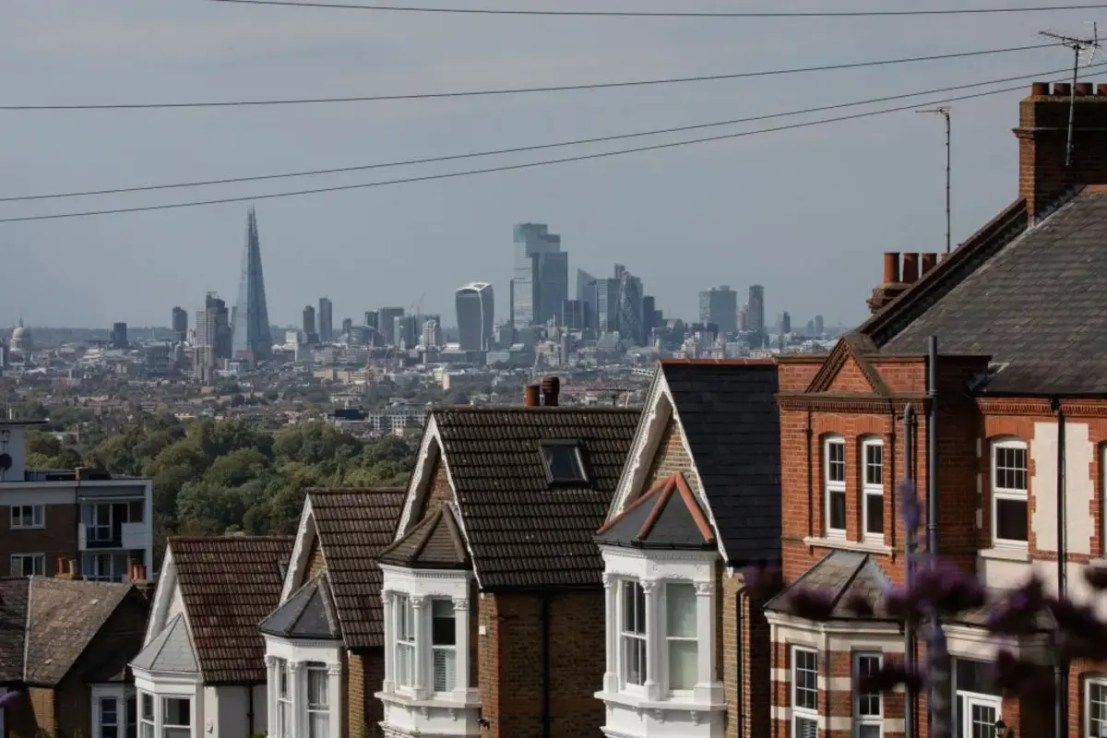
The price of London flat has dropped year on year as prices remain under pressure from low demand and high supply.
The average price of a flat in London fell by 2.6 per cent year on year to £445,000, according to the ONS.
“This is a tough time to be selling a flat,” Jonathon Hopper, CEO of Garringon Property Finders, said. “Months of stagnating prices have turned into falls”.
England-wide, the average price paid for flats and maisonettes dropped by 0.8 per cent, while prices in Wales fell 1.4 per cent.
“Some of the regional differences are shrinking, but one thing remains constant – prices in London are under pressure,” Hopper said.
“The imbalance between supply and demand is giving buyers the twin luxuries of time and choice – and emboldening them to ask for – and get – price reductions,” he said.
Overall house prices in the capital dropped 0.3 per cent year on year, meaning the average price of a property is £566,000.
But rents are still rising, suggesting that – along with high mortgage payments and continued tenant demand – a glut of housing available to buy has been accompanied by a contraction in rental properties.
Landlords are increasingly exiting the sector due to regulatory worries and low yields, with a 41 per cent reduction in the number of London properties available for private rent since the Covid-19 pandemic ended, according to London Property Licencing.
Why are prices falling in London?
There are a number of reasons the capital is experiencing a downturn in prices.
It is partly a natural correction from the last two decades of runaway house price inflation as other regions of the UK catch up with the capital.
Hopper noted that “rather than running out of steam, the property market is being reshaped.”
Buyer affordability in the capital is dire: London has a house price to earnings ratio of 8.22, making it one of the least affordable places to live in the country, against a national ratio of 6.55.
Areas like Manchester and Bristol have become more popular with first-time buyers who can’t afford the punishing mortgages of London.
The end of stamp-duty relief for first-time buyers have exacerbated this trend, with costs going up an average of £6,000 within the M25.
This factor, alongside the return of sellers who delayed moves due to market uncertainty and high mortgage payments, has left a glut of houses for sale in London and shifted the scales in favour of buyers.
The number of homes for sale is around a fifth higher than a year ago, according to Rightmove.
This is particularly pronoucned in prime property, defined as homes worth over £2m – Central boroughs, where average prices sit around £1m, have seen double-digit declines.
The slump has been driven by “concerns over wealth taxation, non-dom reforms, and proposed changes to inheritance tax,” RSM head of real estate Stacy Eden said.
There’s also the short-term effect of budget uncertainty as buyers face a number of potential taxes on home ownership in November.
“Buyers at the higher end of the market in particular have been much quieter, waiting to see what’s in store and whether there will be another rate cut in coming months,” Tomer Aboody, director of specialist lender MT Finance, said.