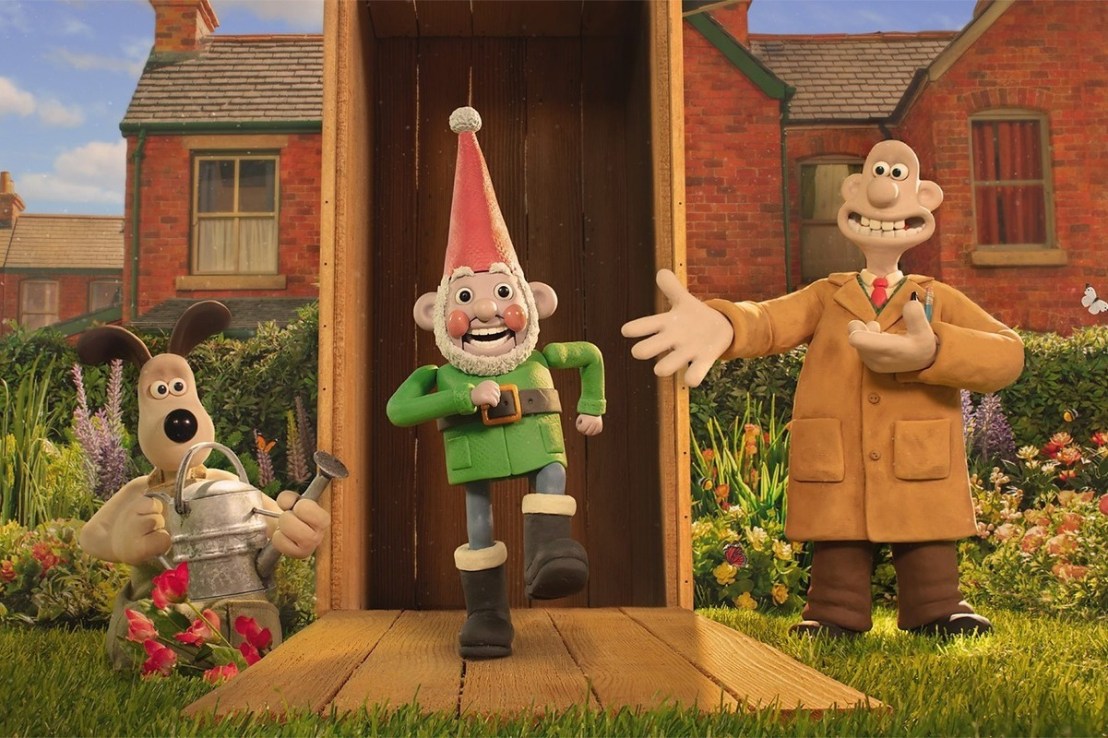
Aardman, the studio behind the likes of Wallace & Gromit and Shaun the Sheep, slipped further into the red as it cut jobs during its latest financial year.
The Bristol-headquartered animation company has posted a pre-tax loss of £5m for 2024, having also lost £550,135 in 2023.
Over the same period, Aardman’s turnover declined from £26.7m to £20.9m, new accounts filed with Companies House show.
The employee-owned company said it had budgeted for 2024 to be a loss-making year as it sought to invest in its intellectual property as part of its five-year business plan.
It saw costs rise to their highest on record in 2024 while it made redundancies as part of a wider review of its operations.
However, the average number of people employed by the business in the year actually increased as it created new jobs elsewhere in the company.
Aardman did not issue a dividend for the year, having paid out £155,480 in 2023.
In the UK, Aardman’s turnover dipped slightly from £10.3m to £10.2m but fell from £3.4m to £1.8m in the European Union.
In the USA its sales were slashed from £11m to £4.5m but they grew from £1.9m to £4.2m in the rest of the world.
Wallace & Gromit Vengeance Most Fowl was released on Christmas Day 2024 and went on to win two BAFTAs and was nominated for an Oscar.
During the year a new feature film, Shaun the Sheep The Beast of Mossy Bottom was greenly and early production was started.
A third season of Very Small Creatures and a seventh season of Shaun the Sheep were also both in production.
At the end of 2024, it was announced that Aardman and The Pokemon Company International were collaborating on a project – a stop-motion series for Pokemon Tales The Misadventures of Sirfetch’d and Pichu.
Aardman makes redundancies
A statement signed off by the board said: “The directors set a rolling five-year plan and budget and are confident of achieving overall forecast financial performance across the period in carrying out its principal activities.”
It added: “2024 was budgeted to be loss-making, largely due to it being a year of investment in our own IP [intellectual property] – this is standard practice for independent studios (we invest in our own IP up-front then recoup the costs in sales later down the line) and in line with our five-yer business plan.
“In addition, we conducted a review of our development projects and our completed unrecouped productions, which resulted in accounting adjustments for impairments and write-offs being applied.
“The executive board feels that this is a prudent financial approach in the current uncertain environment for entertainment production.”
Aardman also said: “With current market conditions presenting significant challenges across the industry, and costs forecast to continue increasing, a detailed business review was conducted in the year, with a view to identifying ongoing savings and ensuring that we have more flexibility and focus in our ability to develop, product and monetise film and senes productions.
“To mitigate further we hired new expertise to help shape the business for long-term success, redefined existing roles and made a number of roles redundant to ensure sustainability in our operations and support our growth plan.
“We also revised the business model for our IP in games to exploit via licensing to third-party developers and publishers, ceasing in-house games development and production.
“In addition we made a decision to no longer offer services as a distributor of third-party children’s series content.
“After the implementation of the outcomes of the review we feel that we are in a strong position to navigate the challenges facing our industry.”
Aardman also said that its overheads increased in 2024 compared to the prior year and were “the highest recorded by the company, but were nonetheless slightly under the budgeted value despite including termination costs associated with redundancies.
The company said the increase was mainly due to rises in labour costs due to pay increments and redundancy payouts, increased headcount on average and lower charging of staff time to jobs in production.