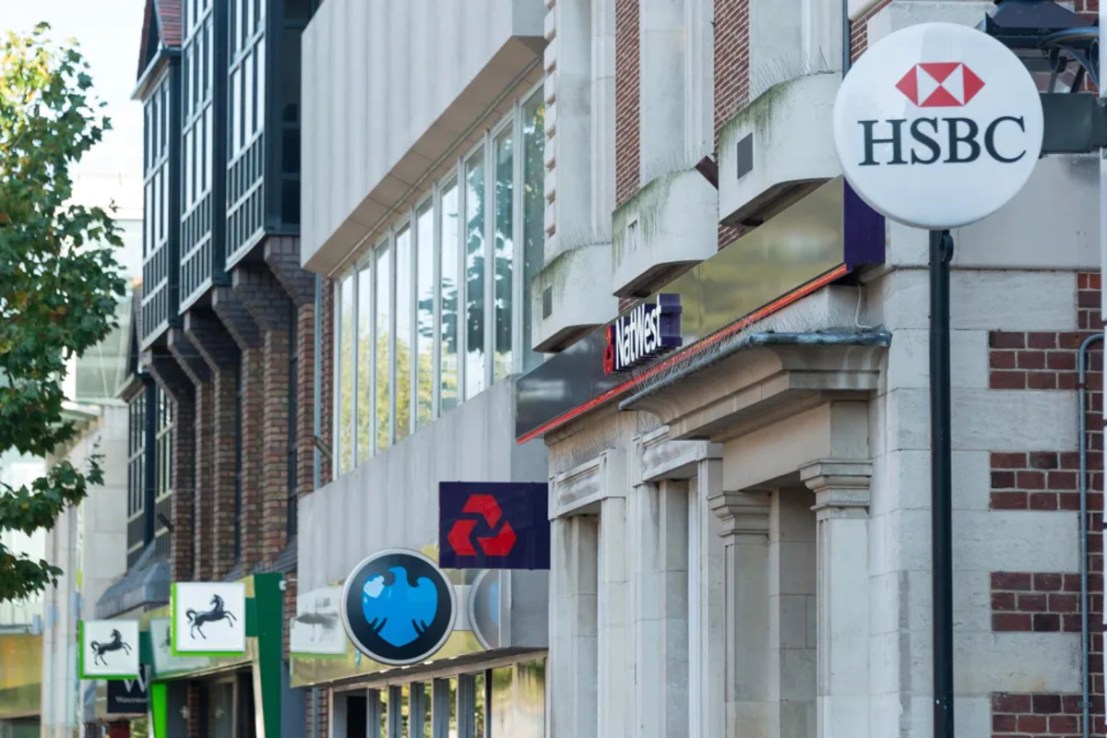
The UK’s top banks are gearing up for a third-quarter reporting season where all eyes will be on the Labour government’s second Autumn Budget.
Speculation of a bank tax hike has dominated chatter around the sector in recent months and elevated fears across the City.
It also comes alongside flaring tensions between the lending industry and City watchdog as the motor finance scandal kicks into a new gear forcing firms to up their provisions.
Benjamin Toms, equity analyst at RBC, said a lack of “positive catalysts” along with motor finance uncertainty and the forthcoming Budget meant analysts were “struggling to get excited”.
Barclays will kick off the third quarter reporting season on Wednesday 22 October followed by Lloyds on Thursday and Natwest on Friday. HSBC will follow a week later on the 28th, and Standard Chartered on the 30th.
The period will come just a month before Rachel Reeves takes to the dispatch box on November 26 and unveils a package of tax rises estimated to amount to £30bn – and banks are expected to be in the firing line.
Investors brace for Budget raid
“There’s investor uncertainty on how the UK government will bridge the fiscal gap in the Budget,” UBS analysts Jason Napier, Helen Li and Sanjena Dadawala said.
“We think it right to expect a modest increase in bank tax,” they added, with expectations pointing to a “modest increase” in the bank’s surcharge to five per cent from three.
The analysts said the hit from the cash grab would likely be “passed to customers”.
A small increase to the surcharge would be the more conservative approach to raising taxes on the banking sector with think tanks and opposition MPs launching lobbying efforts for the Treasury to take a bigger swing.
The left-leaning Institute for Public Policy (IPPR) called for an annual £8bn raid on lenders, whilst the Liberal Democrats said £7bn a year could be raised.
The Chancellor’s fiscal gap follows the government’s U-turn on welfare reforms, which had hoped to shed £5bn in spending, a costly £190bn spending review and weak growth forecasts.
Tax fear is likely to spread to investors, analysts said, with any positive market movement expected to be dampened by Budget fears.
UBS analysts said investors had “limited appetite” for domestic bank exposure ahead of Budget, pencilled in for November 26.
William Howlett, financials analyst at Quilter Cheviot, said: “We believe investors may be waiting until the UK budget with domestic banks potentially facing additional taxes and so this may temper share price reactions to results.”
Budget noise overshadows bank performance
Beyond the Budget noise, Howlett pencilled in strong momentum as lenders head towards the end of the year.
He said the third quarter would be defined by “strong profitability, tailwinds from structural hedges and decent loan momentum”.
The ‘Big Five’ banks of London’s flagship stock index – Barclays, HSBC, Natwest, Lloyds and Standard Chartered – pocketed a combined £12.8bn in the three months to the end of June.
Though the period was not without its dramas with HSBC forced to set aside $2.1bn (£1.58) in write-downs.
Had it not been for hefty impairment charges – related to the bank’s share in China’s Bank of Communications – the Big Five would have stormed past 2024’s second quarter total of £13.6bn.
But analysts warned the banks would face tougher waters ahead with mounting pressures for the second half of the year.
Gary Greenwood, equity analyst at Shore Capital, told City AM balance sheet growth would be “relatively subdued” though acknowledged “more recent signs of life” in Natwest, Lloyds and Barclays.
Greenwood said banks would be “pushing for a bit more growth in the UK, obviously trying to play into the Rachel Reeves growth story”.
He added investment banking would likely signal a “pickup in primary activity”.
This would follow suit with Wall Street’s top lenders, which pocketed $130bn in combined revenue after a boom in deal making.
“I suspect banks will be talking a bit more positively about their pipelines in primary,” Greenwood said.
It also comes amid a steady rebound in IPO activity with the recent listing intentions from Branston beans maker Princes and specialist lender Shawbrook.
Texas-based Fermi also launched its dual listing on the London and New York Stock Exchanges this month and Cheshire-based Beauty Tech made its debut in the City with a market capitalisation of £300m.
Banks in new gear for motor finance
For Lloyds, the results release will come amid a tense new chapter in the motor finance scandal, where the bank has taken aim at the Financial Conduct Authority.
The lending giant – which owns the UK’s largest motor finance lender Black Horse – upped its provisions by £800m to £2bn for the car mis-selling scandal, a move which Greenwood said was through “gritted teeth”.
Lloyds, along with FTSE 250 lender Close Brothers, took a swipe at the City watchdog’s redress scheme for not being proportional or reasonable in ensuring customers were rightly compensated and said it did not reflect the “actual loss” of borrowers.
The Supreme Court sided with lenders on two out of three cases relating to the car-misselling saga, but upheld the case of one claimant under the grounds their 55 per cent discretionary commission arrangement was “unfair.”
However, the FCA has said the threshold for its redress – where 14.2m agreements are estimated to be eligible – will be 35 per cent.
Toms said if the FCA “do not soften their stance” on discretionary commission arrangements, “the banks will have the right to ask for judicial review.”