The FTSE 100 fell sharply on Friday after a sell-off in US regional banks caused jitters to sweep through global equities markets over fears around the resilience of American credit markets.
Banks led losses on the UK’s blue-chip index as a risk-off mood prevailed in markets, with bond yields falling and the price of gold hitting yet another all-time high of $4,347.
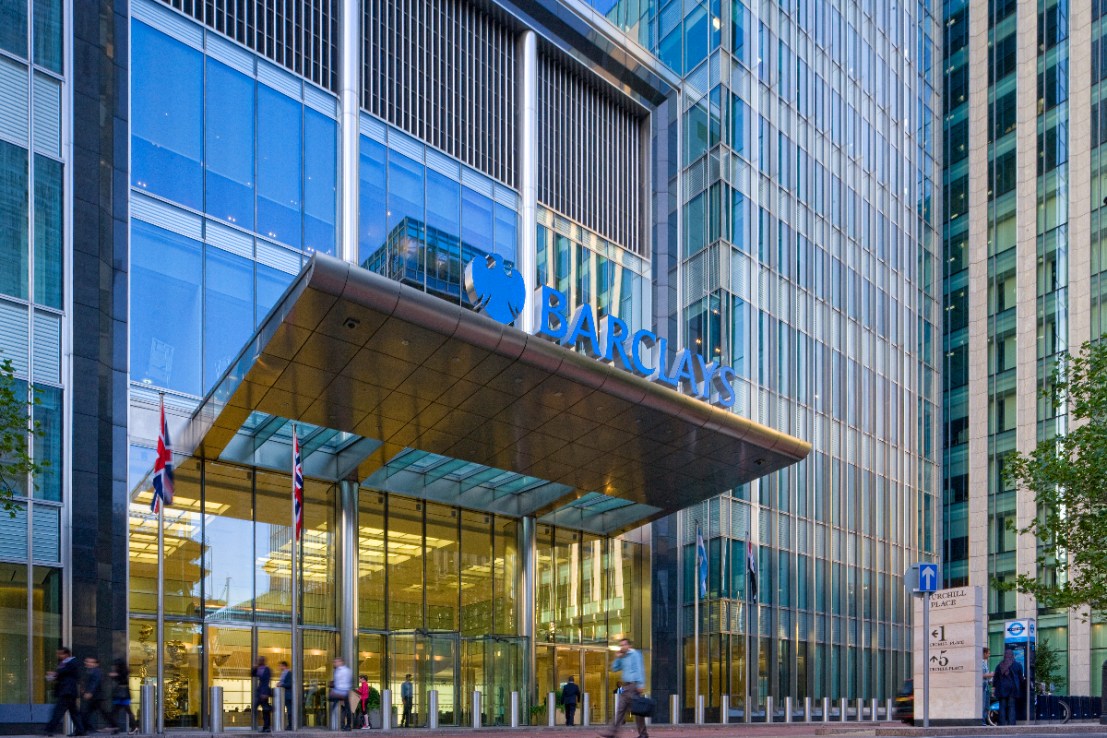
Shares in Barclays fell by as much as 6.75 per cent on Friday morning, while the stock prices for Lloyds, HSBC and Natwest were also all down at least two per cent.
Brutal rout in US markets
The losses followed a brutal rout on US banks on Thursday after a string of lenders revealed their exposure to large defaults, aggravating already-existing investor unease around banks’ exposure to loans at risk of default. The recent failures of car part maker First Brands and the automotive credit lender Tricolor, both of whose collapse was down to debt-related issues, have caused a mass reevaluation of the health of credit markets in the US, and left investors highly sensitive to defaults.
Zions Bancocorporation – a medium-sized bank based in Utah – told its shareholders it was going to take a hit of $50m on a pair of commercial loans, which caused its market cap to plunge by over 13 per cent, the equivalent of nearly $1bn (£750m), in a day. And Western Alliance’s share price fell by more than 10 per cent after it said it was dealing with a fraudulent borrower.
The rout extended to banks across Europe and Asia, with Deutsche Bank, Societe General and Mizuho all subject to sharp sell-offs.
A wave of bad loans write-downs
“Fears are rising that the rush into credit in the last two years will lead to a wave of bad loans and write-downs, which could affect the banking sector, similar to what happened with Silicon Valley Bank in 2023,” said Kathleen Brooks, research director at XTB. “Combined with fears about a trade war between the US and China, risk is being taken off the table as we end the week.”
Last week, JP Morgan chief executive Jamie Dimon sounded the alarm on the health of some corners of private credit and so-called shadow banking markets, which have enjoyed a boom that extended over several years until the high-profile collapse of First Brands.
Several private credit specialists were forced to stomach hefty losses after First Brands went into administration. Jefferies, a midsized Wall Street lender, was especially exposed, with $715m of the car part maker’s bad debt on its books. Dimon’s JP Morgan also disclosed its own $170m exposure to Tricolor’s failure.
“My antenna goes up when things like that happen,” the banking luminary said on an analyst call earlier this month. “I probably shouldn’t say this but when you see one cockroach, there’s probably more. And so everyone should be forewarned at this point.”