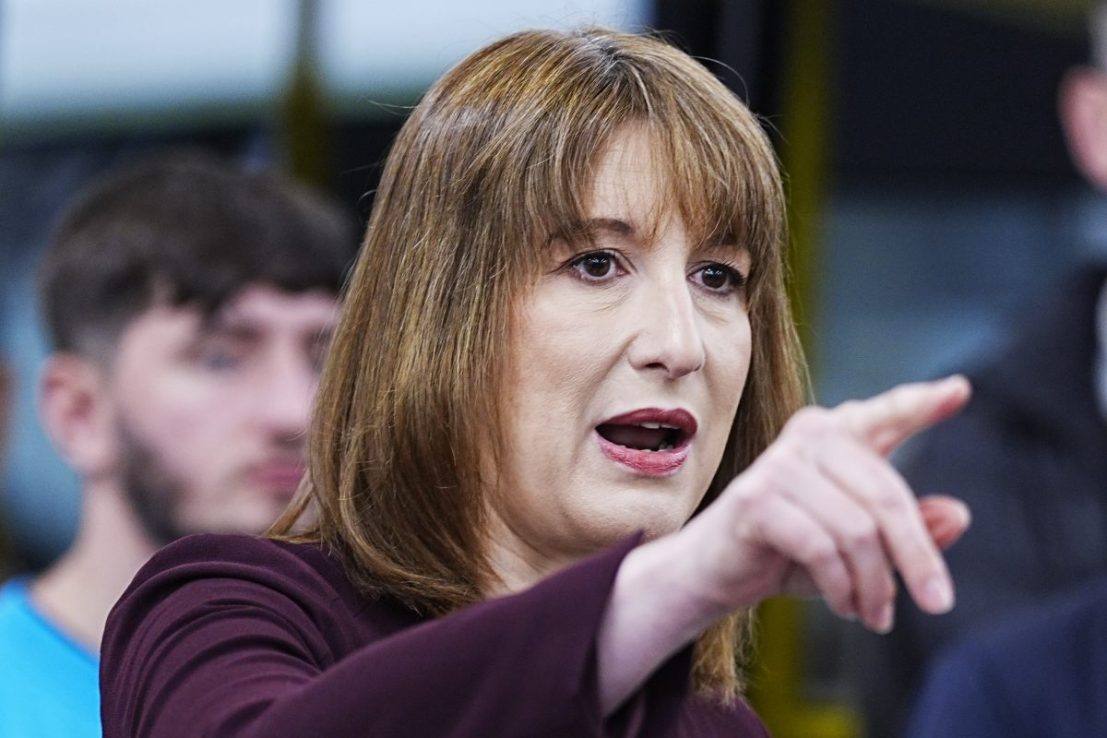
Rachel Reeves is facing renewed calls to rule out any form of wealth tax in the Autumn Budget with concerns such a move would drive £100bn out of the UK economy.
The Chancellor confirmed on Wednesday higher taxes on the nation’s wealthiest would be a “part of the story” in the Budget.
But fresh research from Rathbones estimates if a full-fat wealth tax was to come into effect at least £100bn in assets could move abroad or into “less productive forms”.
“There is clear evidence that a recurring wealth tax would be economically damaging to the UK,” Oliver Jones, head of asset allocation at Rathbones, said.
He added a new levy would require annual valuations of “complex and illiquid assets” for thousands of individuals, which would be “costly to administer”.
Analysis from the wealth and investment firm showed a wealth tax would cost the government £600m to set up with ongoing compliance and admin costs amounting to an annual £700m.
It added these costs were a “key reason” why the Labour government of the 1970s “which promised a wealth tax never delivered it”.
Reeves dismisses fears of wealth exodus
Reeves’ new comments on a higher taxes on the wealthy, as reported by The Guardian, come as she is expected to announce a package of tax rises amounting to nearly £30bn when she takes to the dispatch box on November 26.
The Chancellor also lashed out at critics of wealth taxes, despite reports of an exodus of the country’s richest after last year’s Budget.
“I think, when people scaremonger again this year, we should take some of that with a pinch of salt,” the Chancellor said.
But it comes after on Wednesday, media billionaire Richard Desmond had shifted his residence to the United Arab Emirates.
This followed Revolut chief Nik Storonsky just the week prior making the same move.