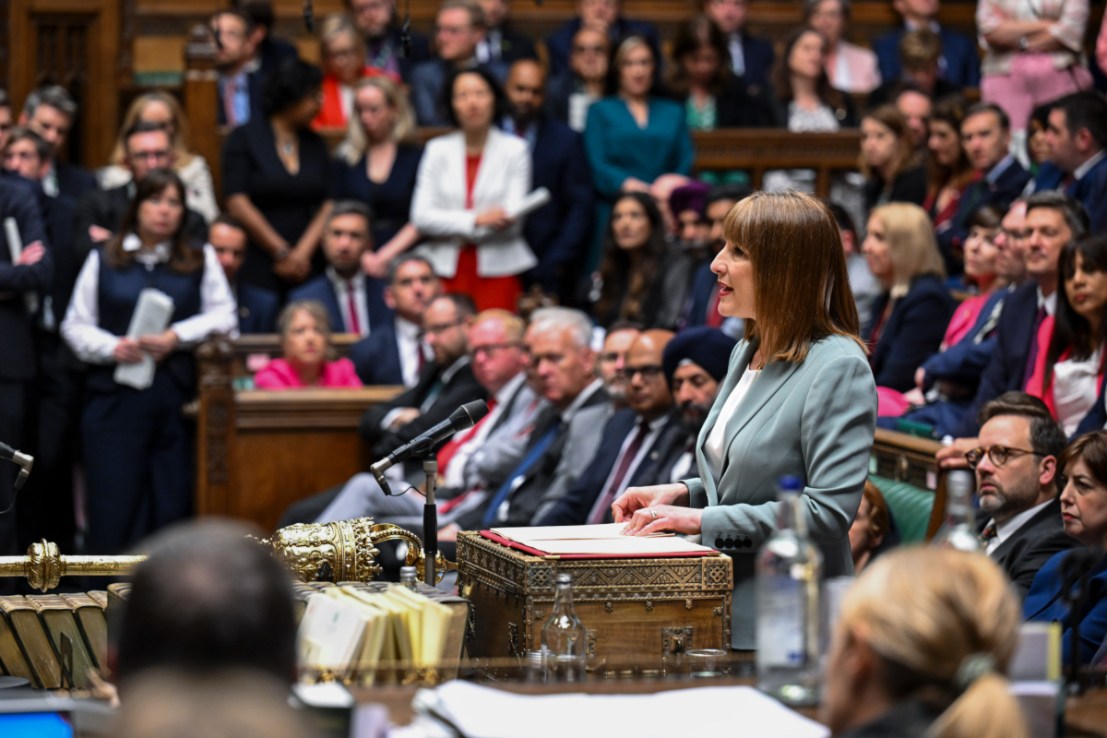
Financial industry figures have urged Rachel Reeves to go further on reforming the cash ISA, following speculation the Chancellor is looking to overhaul the system in the looming Autumn Budget.
Reeves is understood to be reviving a plan to cut the tax-free limit on cash ISAs, in a bid to get people to move cash savings into domestic stocks and generate greater returns for the economy and individual investors.
British savers have a £20,000 annual limit on the amount that can be protected from tax in ISAs.
The cash model is the most popular product, with an estimated £300bn deposited.
The Treasury is now considering a £10,000 annual cash ISA limit, higher than the £5,000 previously suggested by industry figures, but the rumoured slash to half the amount has been welcomed by some City voices..
However, many have called for the Chancellor to consider further changes in order to stop over reliance on cash savings.
Sever stamp duty
Tom Selby, director of public policy at AJ Bell said: “The chancellor is absolutely right to challenge the status quo on ISAs.
“The current fragmented market is overly complex and behaviorally illiterate, driving millions of people who could benefit from long-term investing to stick with cash, leaving them vulnerable to the impact of inflation.”
Selby called for the combination of cash and investment versions into a singular product, “making the system simpler to navigate” while also suggesting that the government scrap stamp duty on UK stocks bought within ISAs.
The Treasury is reportedly considering removing stamp duty on newly listed shares on the London stock exchange to 0.5 per cent, but scrapping the levy on ISAs has not been considered.
Building society backlash and hoarding cash
The Treasury’s move comes after prior plans to slash the ceiling in the summer were stalled following fierce backlash from building societies.
The providers argued that they used cash ISAs to fund mortgages and reducing these inflows would potentially make home loans more expensive.
However, Mark Burges Watson, co-founder of investment app Kaldi, called out building society methods, labelling them as “financial repression for investors.”
He said: “They rely on the deposits held in Cash ISAs as a cheap source of funding for mortgages and other lending.
“If people start moving money out, their funding costs rise, which could push up mortgage rates.
“Using artificially cheap consumer savings in this way, to fund other priorities like mortgages or wider government investment goals, is called financial repression, and it rarely ends well.”
Others called for the complete abolition of the product, believing it to have lulled investors into a false sense of security on growing wealth and led the stock market to breaking point.
Michael Healy, UK managing director at IG, said: “Cash ISAs are a pernicious product that have not only failed to improve people’s wealth but steadily eroded it.
“They are completely incompatible with long-term wealth creation.
“We should not be incentivising or rewarding the hoarding of cash, particularly at a time when our stock market is on the brink.”
Right diagnosis, wrong prescription
However, not everyone is pleased with the speculation, believing the move is “a clear case of right diagnosis but wrong prescription”.
Brian Byrnes, head of personal finance at Moneybox said: “The priority must be to underpin consumer confidence, not to risk undermining it with cuts to cash ISAs.”
While many view cash ISAs as a significant barrier to investing, Byrnes disagreed, arguing the cash product provided savers with the “financial resilience needed to consider long term investing”.
The government and regulators have already taken steps to encourage retail investing, with the Financial Conduct Authority confirming companies will be able to offer “targeted support” to investors instead of generalised advice.
Elsewhere, the government will launch a campaign in 2026 aimed to raise awareness of the benefits of investing both for the economy and individuals.