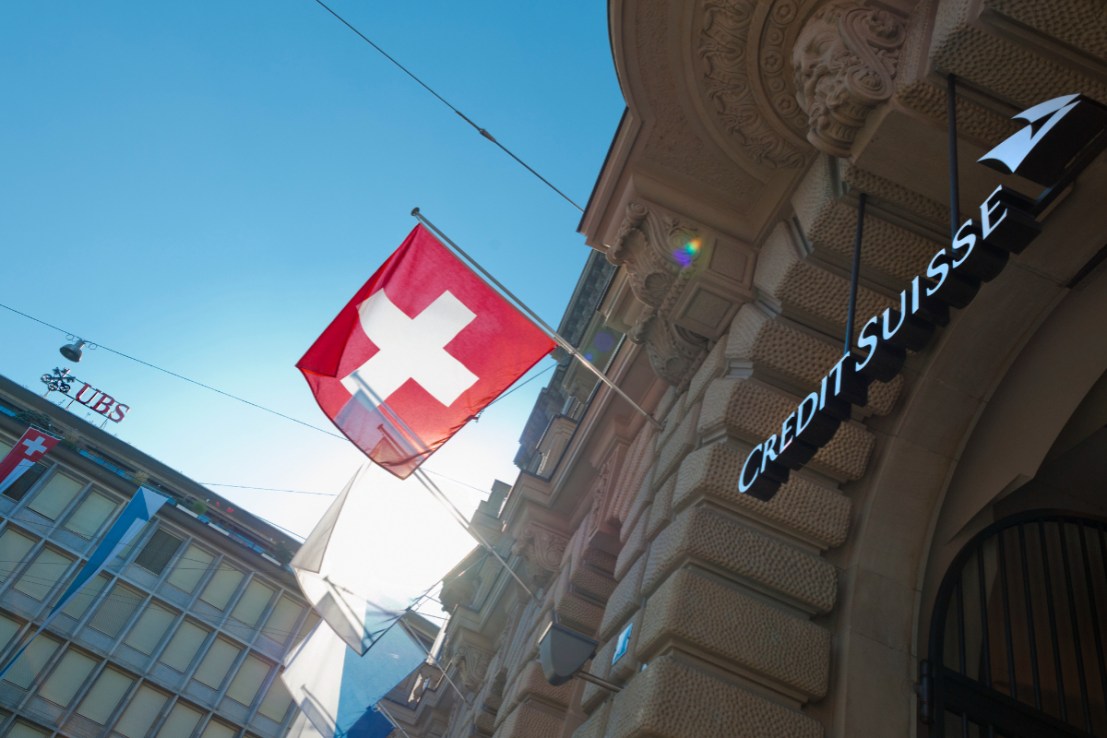
Swiss lender Credit Suisse has failed in its attempt to recover $440m from Softbank following the collapse of financial firm Greensill Capital.
Credit Suisse – now UBS – was hit hardest by Greensill’s collapse, owing to its significant exposure through various funding and investment vehicles. Greensill Capital, founded by Alexander (Lex) Greensill, went under in March 2021.
More than 1,000 professional investors across Europe and Asia lost $10bn when the Swiss bank abruptly closed four funds in March 2021, trapping their investments after the collapse.
The collapse, coupled with the downfall of Archegos Capital Management in the same year, cost the bank around $5.5bn. These crises ultimately forced Credit Suisse to accept a takeover from rival UBS in late 2023 in a $3.2bn deal.
As part of UBS’s strategy to address Credit Suisse’s legacy issues, it was announced last June that UBS would repay former Credit Suisse clients 90 per cent of the funds they invested with Greensill.
During its merger negotiations with UBS, Credit Suisse initiated legal action against Japan’s Softbank Group, seeking to recover about $440m that Greensill had lent to the now-defunct Californian construction firm Katerra, which was backed by Softbank.
However, the High Court dismissed the claim.
Lord Justice Miles ruled that although the underlying transaction was found to be wrongful by the debtor, Greensill Capital, the beneficiary, Softbank, lacked knowledge of the wrongdoing and could not be held liable for the subsequent market-driven loss in value of the asset it received.
The High Court also found that Softbank acted in its own commercial interest and did not “orchestrate” the transactions as alleged by Credit Suisse.
Commenting on the decision, a spokesperson for Softbank said: “Today’s ruling fully vindicates Softbank and confirms the allegations were simply a baseless attempt to redirect blame. Softbank acted honestly, and this judgment sets the record straight.”