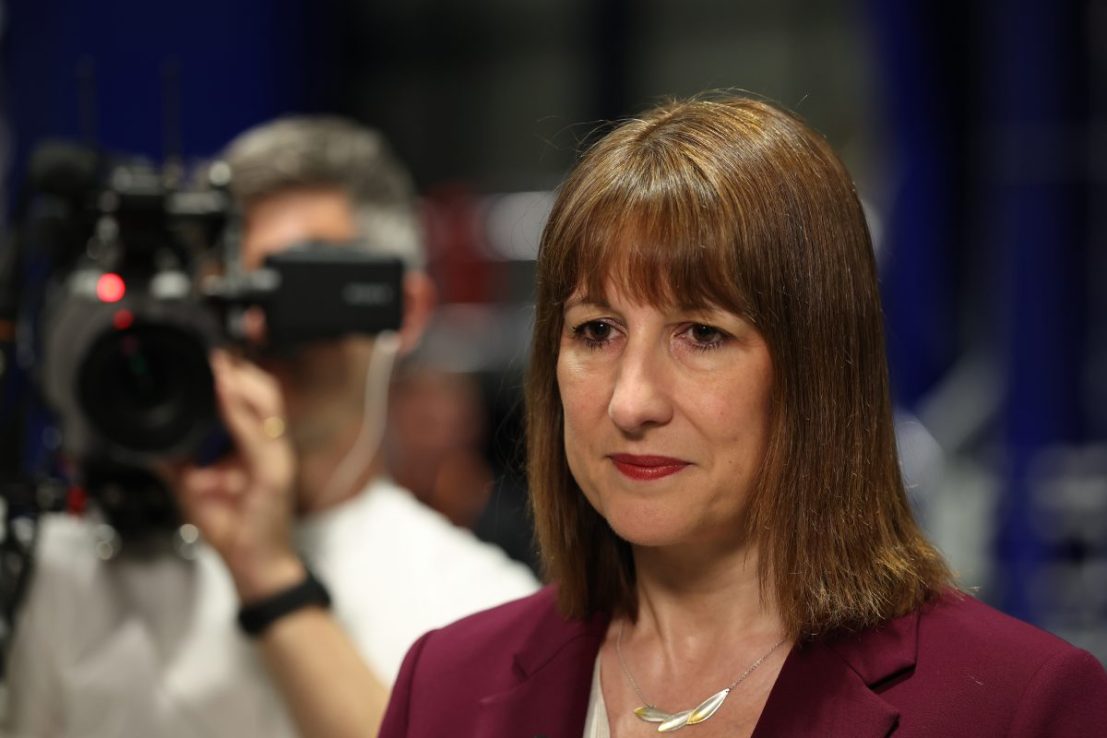
Public sector pay has outstripped private sector pay on an annual basis, according to new official data, with the added pressures on public finances set to force Chancellor Rachel Reeves to hike taxes at the Budget.
The Office for National Statistics (ONS) said annual average regular earnings growth was 4.4 per cent for the private sector and 6 per cent for the public sector.
The ONS said the rise was partly down to salary rises coming earlier in 2025 than in 2024, though pay packages offered to train drivers and teachers over the last year has added to day-to-day spending across the public sector.
The figures reflect Reeves’ difficulties in keeping public sector workers satisfied while balancing public finances as higher spending on workers is set to constrain the Chancellor at this year’s Budget.
Analysts have suggested a lack of growth in private sector earnings, which is failing to keep pace with government expenditure and thereby generate enough tax receipts.
Andrew Wishart, senior UK economist at Berenberg, said the rise in pay growth including bonuses to five per cent in the three months to August was “driven exclusively by strong growth in public sector pay and a rise in bonuses”.
Wishart said the slowdown in private sector pay had fallen more quickly than the Bank of England had predicted.
Business leaders raise the alarm on pay gap
The Recruitment and Employment Confederation’s Neil Carberry raised the alarm on the widening gap between the private sector and public sector, pointing to Reeves’ tax raid on employers’ National Insurance contributions (NICs) that have squeezed payroll budgets at businesses across the UK.
“Pay is doing nothing to spook the Bank of England interest rate-setters, but the gap between pay set by the labour market in the private sector and those areas where the government is setting pay seems unsustainable”, Carberry said.
“This is a function of the government ramping up public sector awards and the minimum wage at the same time as taxing away pay rises in the private sector through its national insurance raid.”
James Bentley, director at the education platform Financial Markets Online, said: “For any optimists still hoping that next month’s tax pain will be minor, today’s salary data will rub salt in the wound.
“The government’s spiralling wage bill will pile further pressure on Rachel Reeves to increase tax revenues and cut spending elsewhere and the equity markets are becoming steadily more apprehensive as a result.”
Analysts also pointed to the worries in private sector employment compared to public sector employment with fears the drop in vacancy and payroll numbers was likely to be starker than figures suggest.
“The latest figures provide some clarity on the UK labour market, with both vacancies and payroll numbers suggesting conditions are starting to stabilise after a long period of cooling.
“This has been supported by strong public sector hiring, which continues to mask a far weaker picture in the private sector,” said Jake Finney, senior economist at PwC UK.
“The direction of travel for productivity will be critical to the scale of the Chancellor’s fiscal challenges, and ongoing data issues mean it remains unclear whether productivity is starting to recover or deteriorate.”
In a further disappointment for the Treasury, wage growth between May and July, which is used to calculate the rise in the state pension over the following financial year according to the ‘triple lock’ uprating mechanism, was revised up from 4.7 per cent to 4.8 per cent.
It therefore suggests the new full state pension will be £241.30 per week, rather than the £241.05 estimated last month, piling extra costs on the government ahead of a difficult Budget for Reeves where she is expected to plug a £30bn fiscal hole.