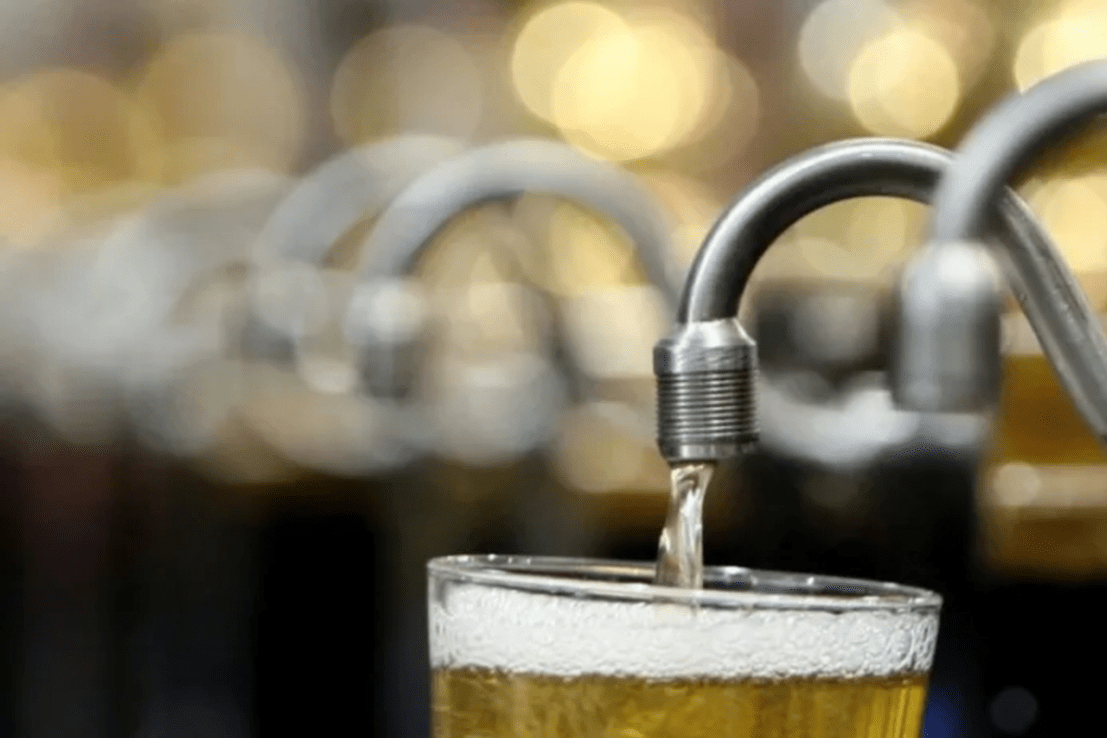
Pubs and restaurants up and down the country could be forced to serve up higher booze prices as Rachel Reeves has been urged to add fresh alcohol levies to her menu of tax rises at next month’s Budget.
The Institute for Public Policy Research, a left-leaning think tank with close ties to the government, has called on the chancellor to hike taxes on alcohol, pinning the blame for the UK’s longstanding productivity woes on work-related drinking.
The IPPR said young people felt pressured into drinking with colleagues to advance their career, while staff coming into the office with hangovers weren’t working as hard as their teetotal counterparts.
The group called for action on the “cheapest, strongest drinks which cause the most harm” by introducing a minimum unit price to be set on alcohol, as well as an annual increase on alcohol duty by an above-inflation rate.
Jamie O’Halloran, senior research fellow at IPPR, said: “When nearly half of young professionals are calling in sick after workplace drinking, it’s not just a hangover, it’s a productivity crisis.
“If the Government is serious about growth, it needs to take alcohol harm seriously too.”
The proposal is likely to spark fury in the hospitality sector, which is still reeling from steep cost pressures introduced in last year’s Budget, including sharp hikes to employer national insurance contributions (NICs) and minimum wage rates. More than 300 pubs across Britain are expected to shutter by the end of the year.
Emma McClarkin, Chief Executive of the British Beer and Pub Association, told City AM: “With more than one pub closing each day, now is not the time to increase the costs of doing business.
“We urge the Chancellor to focus on cutting beer duty and fulfil the promise of delivering meaningful business rates reform to support Britain’s great beer and pub sector.”
The IPPR report acknowledged that “increasing the cost of alcohol products could be unpopular with the public and a political risk.”
The report found that most employers are seen as doing too little to address a workplace drinking culture.
More than half of workers surveyed said their employer had not provided any guidance, training, or inclusive alternatives to events featuring alcohol.
But 73 per cent of workers said they believe employers have a responsibility to reduce alcohol harm, representing “a clear gap between expectation and action”.