Taiwan is excluded from the UN’s air navigation agency – the International Civil Aviation Organization (ICAO), which causes delays in information sharing and heightens the risk of plane crashes. Time to stop putting politics before passengers, says
Flying is an incredibly safe mode of transport – and there’s a reason for that. When things go wrong, as has happened recently in India and Korea, the consequences are catastrophic. That is why safety must be the first priority of the UN’s air navigation agency – the International Civil Aviation Organization (ICAO). However, by excluding Taiwan from its system for political reasons, ICAO needlessly hampers communication between authorities and neglects valuable Taiwanese resources and expertise that could help prevent accidents. For the safety of all air passengers, Taiwan must be included in the ICAO’s meetings and mechanisms, starting with this year’s ICAO Assembly.
The Taipei Flight Information Region (FIR) is one of East Asia’s busiest air travel regions and an indispensable part of ICAO’s network of 300 FIRs. However, Taiwan’s exclusion from ICAO prevents the Taipei FIR from being able to share timely and comprehensive information with other FIRs and the ICAO itself.
Delays
This communication block poses a danger: delayed responses in urgent situations. China has in recent years launched military drills in Taiwan’s airspace at short notice. If Taiwan were able to communicate with ICAO, it could alert nearby FIRs to the risk of aerial encounters when this happens. But because it is not part of ICAO, Taiwan must ask neighbouring aviation authorities to safely direct air traffic. In what other scenario would an agency responsible for safety deliberately block information direct from the site of an emergency?
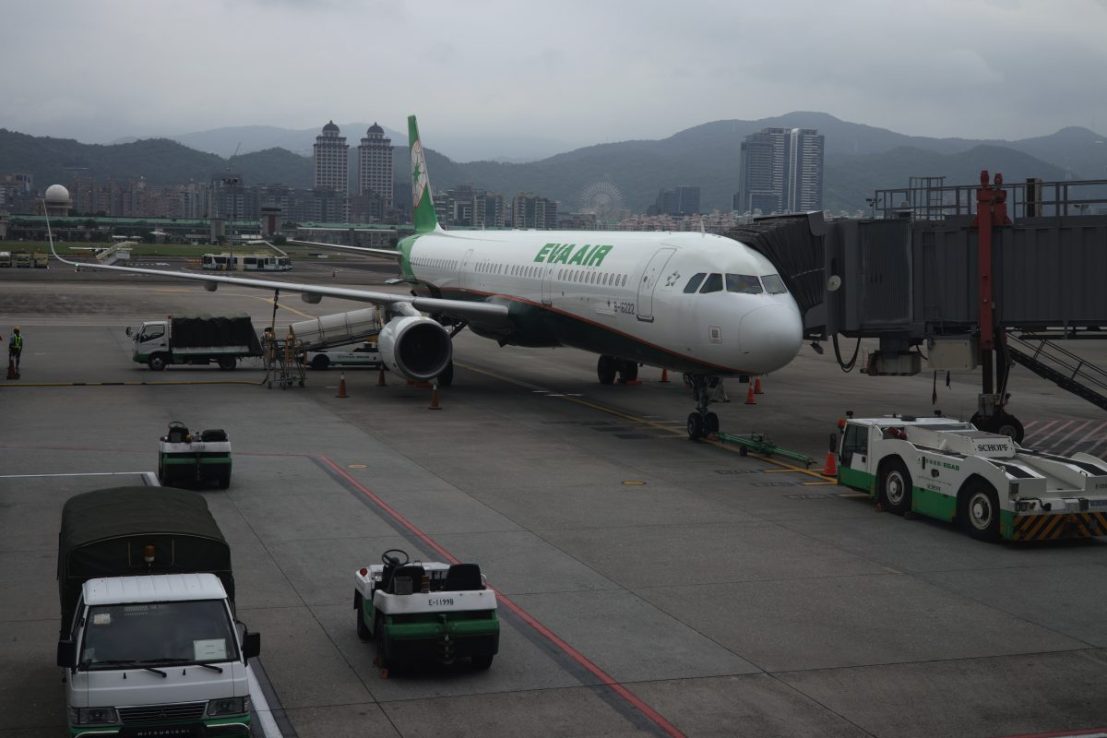
Taiwan takes aviation safety seriously. Despite being forced to gather information through indirect channels, the Taipei FIR is incredibly safe, with an accident rate of zero per million departures from 2020 to 2024. We proactively maintain ICAO safety management standards, inviting experts to hold regular training and working with industry to establish safety oversight systems. Taiwan’s EVA Air was ranked the world’s seventh safest airline in 2025. The world clearly stands to gain from Taiwan’s involvement in ICAO.
Safety is not the only consideration. ICAO’s strategic vision is twofold: “safer skies, sustainable future”. Taiwan’s Civil Aviation Administration has already incorporated the ICAO carbon offsetting scheme into domestic law and this year launched a sustainable aviation fuel programme. This shows that Taiwan is a responsible actor that wants to contribute to better flying and a better world.
Aviation knows no borders. Passengers from everywhere pass through the Taipei FIR, and all deserve the assurance of safety when they fly. The ICAO says it is committed to leaving no one behind, but its exclusion of one of the world’s busiest flight regions shows that this vision is not yet reality. Politics should not come before safety. This – and the need to include Taiwan in ICAO – is common sense.
Chen Shih-kai is Taiwan’s minister for transportation and communication