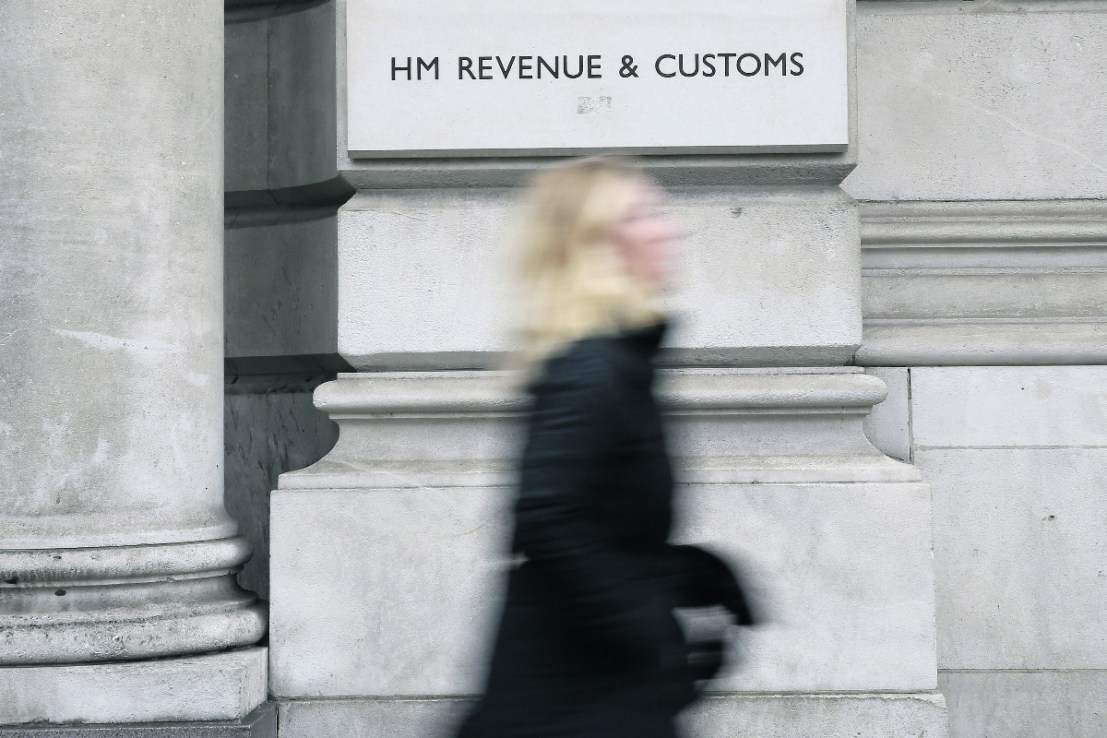
HMRC has allocated over £1.5bn for 2024-25 to support staff in compliance, preventing and detecting fraud cases and collecting taxes, representing a 23 per cent increase on its 2021-22 staff bill.
According to a freedom of information (FOI) shared with City AM by think tank Parliament Street, over the past fiscal year as part of its efforts to ensure compliance and fraud prevention, HMRC has ramped up hiring in its Customer Compliance Group (CCG) as the wages bill tops £1.5bn.
The CCG department has 28,074 staff employed, an increase from the 27,374 it had in 2023-24; however, the FOI shows that the numbers are down from the 28,699 it had in 2021-22.
Despite the staff numbers being down from the 2021-22 figures, the wages bill is £300,000 higher over the past fiscal year, as the pay bill stood at nearly £1.3bn.
HMRC also outlined figures for the fraud and investigation service within the CCG, comprising 4,859 staff members paid £301m.
The team, where the majority of HMRC’s counter-fraud operational activity occurs, has seen a 24 per cent increase in its staff bill over the past four years, from £243m, despite the number of staff remaining broadly the same.
According to HMRC’s annual report and accounts for 2024-25, over that fiscal year the group secured £48bn of tax revenue that would otherwise have been lost through error, fraud, and other forms of non-compliance.
Government eyes tax evaders
The Labour government is investing in HMRC’s technology and compliance efforts to enhance tax revenue collection and improve efficiency as it focuses on tax evaders.
Markus Hornburg, head of compliance at software firm Basware, said: “Compliance isn’t just a box-ticking exercise, it’s a commitment to rules, regulations and building trust across the supply chain and, ultimately, the public.”
“The risks of non-compliance, from financial penalties to reputational damage and in some cases personal liability, underscore the need for constant investment and a proactive approach,” he added.
The government also plans to recruit 500 more HMRC compliance staff, as announced in the Spring Budget, in addition to the 5,000 new compliance staff announced at the Autumn Budget.
Sheila Flavell, COO at tech consultancy FDM Group, noted: “HMRC’s significant investment in compliance staffing signals a serious commitment to addressing the complexity of compliance risks, fraud and tax evasion, but financial investment alone is not enough.”
“Building an effective compliance function relies just as much on the training and development of staff to combat risks as it does on headcount or salary levels,” she added.
Commenting on the new FOI data, a spokesperson for HMRC said: “We’re protecting more tax revenue from error and fraud than ever before and, as part of the Plan for Change, the government is delivering the most ambitious package ever to go even further and bring in an extra £7.5bn for public services per year by 2029-30.”
HMRC was criticised by the Treasury Select Committee in June for not reporting the £47m phishing attack sooner. The tax authority emphasised that this was not a cyber or hacking attack but rather a phishing incident.