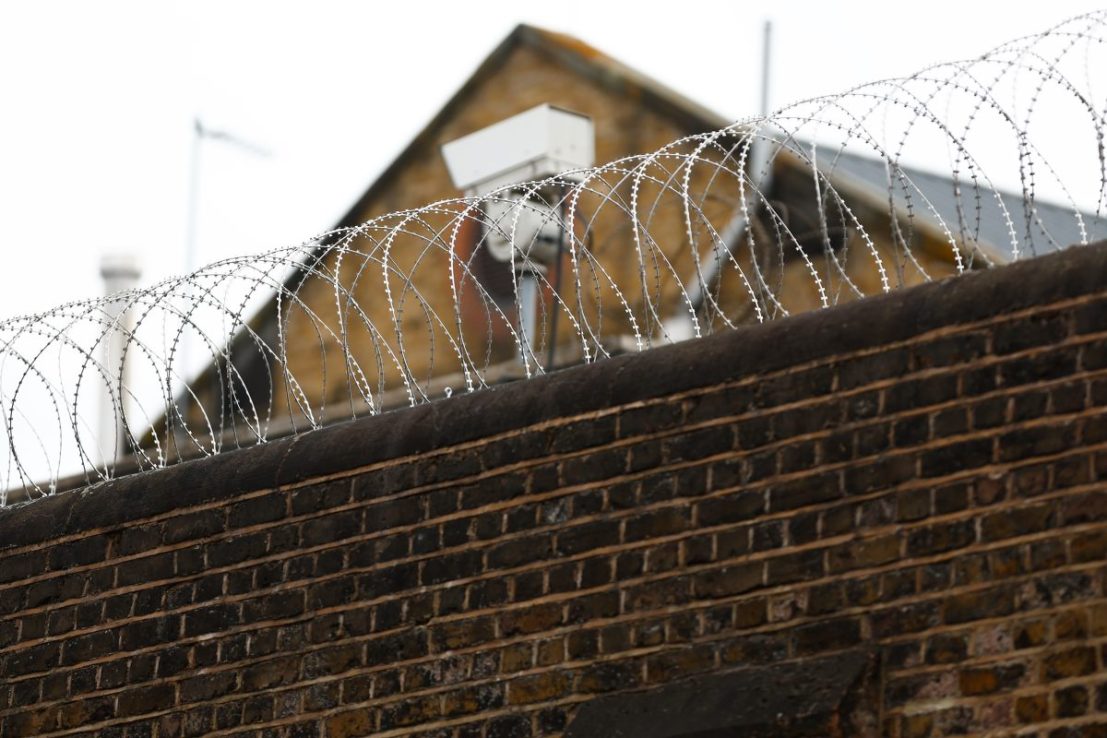
Hiring ex-offenders has been proven to be good for employers and society, so why have hiring rates dropped, asks James Reed in today’s Notebook
A conviction shouldn’t lock you out of the workforce
Work has the power to change lives and nowhere is that clearer than in helping people leaving prison find a fresh start. For over 25 years, Reed in Partnership, part of the Reed Group, has supported people facing barriers to work, from those who have been long-term unemployed to those who have served time, helping thousands into jobs that give them stability and purpose.
Our upcoming report, though, shows a worrying trend: employers today are less willing to hire ex-offenders than they were in 2013. That’s despite compelling evidence that employment is the most reliable way to prevent re-offending. It is good for individuals, good for society and good for the organisations that give people a second chance. In fact, around a third of employers who have done so say ex-offenders are as reliable, or even more reliable, than other staff.
So why the decline? The rise in Disclosure and Barring Service (DBS) checks is one factor. More than one in three of all jobs now require them, which makes sense in certain areas, no one wants a convicted fraudster managing company accounts, for example. But too often employers see a record and default to “no”. That reflex is shutting people out unnecessarily, and society pays the price.
There are businesses proving there is a better way. Our headquarters in Covent Garden is surrounded by examples: two Redemption Roasters cafes and a Timpson’s shop, all of which employ ex-offenders and all of which do a brilliant job. Their success stories are reminders that a past mistake need not define a person’s future.
We all make mistakes. Most of us would want and expect a second chance. Why wouldn’t we extend the same opportunity to others? Giving people that chance reduces re-offending, strengthens communities and can give employers some of their most loyal, hardworking staff.
My message to business leaders is simple: open the door. A conviction should not mean a lifetime locked out of work.
Robots reaching the boardroom
The Trades Union Congress (TUC), representing millions of UK workers, has published a new report calling for a bigger role for employees in how AI is deployed, even suggesting for workers to be given representation on company boards. I already think of our board as workers, but the principle is sound: technology should serve people, not the other way around. Half of adults now fear AI could take their job or change it for the worse. The real priority is people first. Used wisely, AI can raise productivity and make work more rewarding. But if we aren’t careful, robots may reach the boardroom first, some say they already have.
Lessons from Frankenstein
I’ve been reading Mary Shelley’s Frankenstein, written in 1816, and it feels remarkably modern. Dr Frankenstein, the genius inventor, creates a conscious and sentient being and instantly faces the consequences of playing God. The dilemmas and concerns his creation raises are strikingly relevant today as we wrestle with AI. Shelley’s story is timeless, brilliant and unsettling. With Guillermo del Toro’s film adaptation just released, it’s the perfect moment to read or reread this classic, which resonates more today than ever.
Catch Every Brilliant Thing while you can
I went to see Every Brilliant Thing at Soho Place Theatre, London’s first new theatre in years, just a stone’s throw from our office. It’s a one-person play written and performed by Johnny Donahoe, though different nights feature performers including Lenny Henry, Sue Perkins and Minnie Driver. The story tackles mental health and suicide with sensitivity, following a boy who lists all the brilliant things in life to help his mother. It’s engaging, uplifting and deeply human. Performed in a single act, it is a short but powerful experience – running until November and highly recommended.
A taste of Italy (via Netflix)
I have been watching The Leopard on Netflix, based on Giuseppe Tomasi di Lampedusa’s 1958 novel. Set in Sicily in 1860, it captures a period of social volatility where one world is disappearing and another emerging. The story follows an aristocratic family caught in a love triangle. It’s a fantastic story based on the author’s own family’s life, which adds a layer of authenticity. Filmed entirely in Italy, it is stunning to watch, with Benedetta Porcaroli giving a standout performance.
A Notting Hill gem
I recently visited Canteen on Golborne Road and had a fantastic meal. The restaurant is relaxed and welcoming, and Emily, the manager, looked after us brilliantly. It’s a great example of neighbourhood dining done right; unpretentious, enjoyable and a lovely addition to Notting Hill.
James Reed is chairman and chief executive of recruitment firm Reed