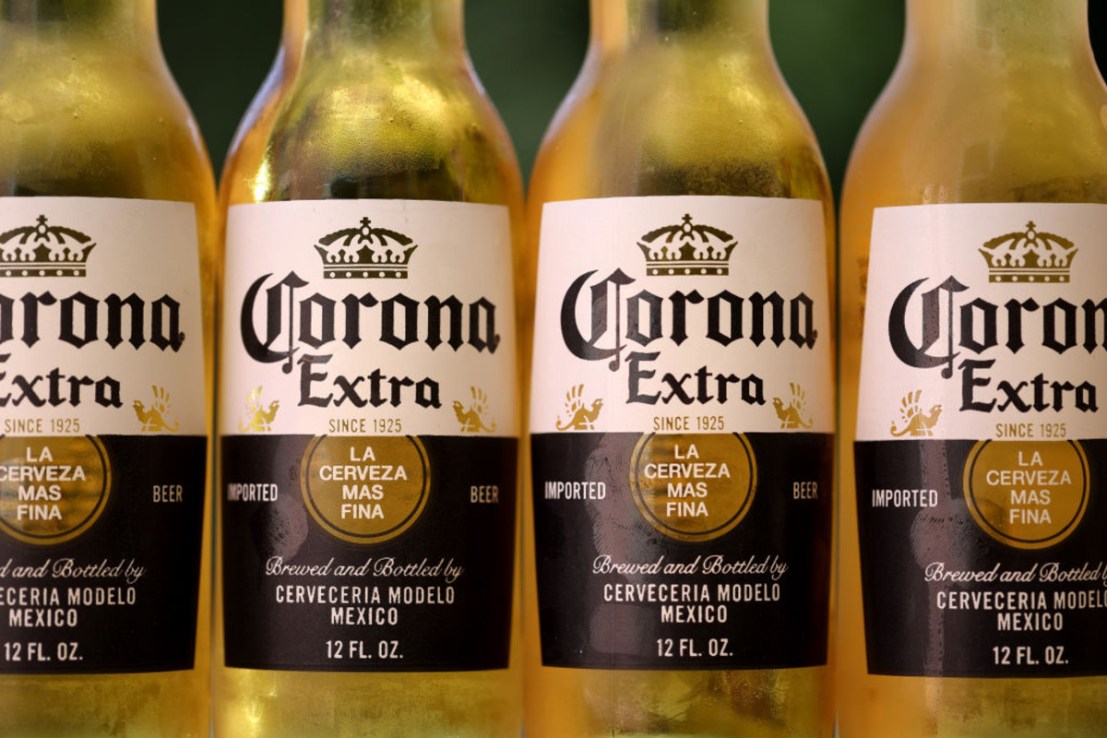
The UK arm of AB InBev, the brewing giant behind the likes of Budweiser, Stella Artois and Corona, has now lost almost £200m since it last made a pre-tax profit after continuing in the red in 2024, it has been revealed.
The London-headquartered division has reported a pre-tax loss of £20.9m for its latest financial year, down significantly from the £72.1m it posted for 2023.
However, the latest figure means that AB InBev’s total pre-tax losses since it last made a profit – £40.9m in 2020 – now total more than £188m.
The business also lost £6.4m in 2021 and £89.5m in 2022.
However, new accounts filed with Companies House also show that the firm’s revenue increased in 2024 from £1.66bn to £1.67bn.
AB InBev ‘optimistic’ for the future of beer
A statement signed off by the board said: “The UK economic environment in 2024 showed signs of recovery, with inflation easing and consumer confidence gradually improving.
“While challenges remained, particularly in managing costs and adapting to evolving consumer behaviours, the overall market conditions were more stable than in 2023.
“This enabled more consistent supply chain operations and allowed for more strategic pricing and promotional activity.
“The beer industry declined in 2024, with both the off-trade and the on-trade sector declining low single digits (in line with longer term trends, prior to the volatility caused by the pandemic).
“Consumer interest in premium and super-premium offerings continued to rise, driven by a shift toward quality, experience and sustainability.”
AB InBev added: “Looking ahead to 2025, we are optimistic about continued economic stabilisation and growth in the beer category.”
The results for the group’s UK division come after AB InBev’s shares fell at the end of July after it revealed its second quarter sales volumes declined by more than expected because of weaker demand in Brazil and China.