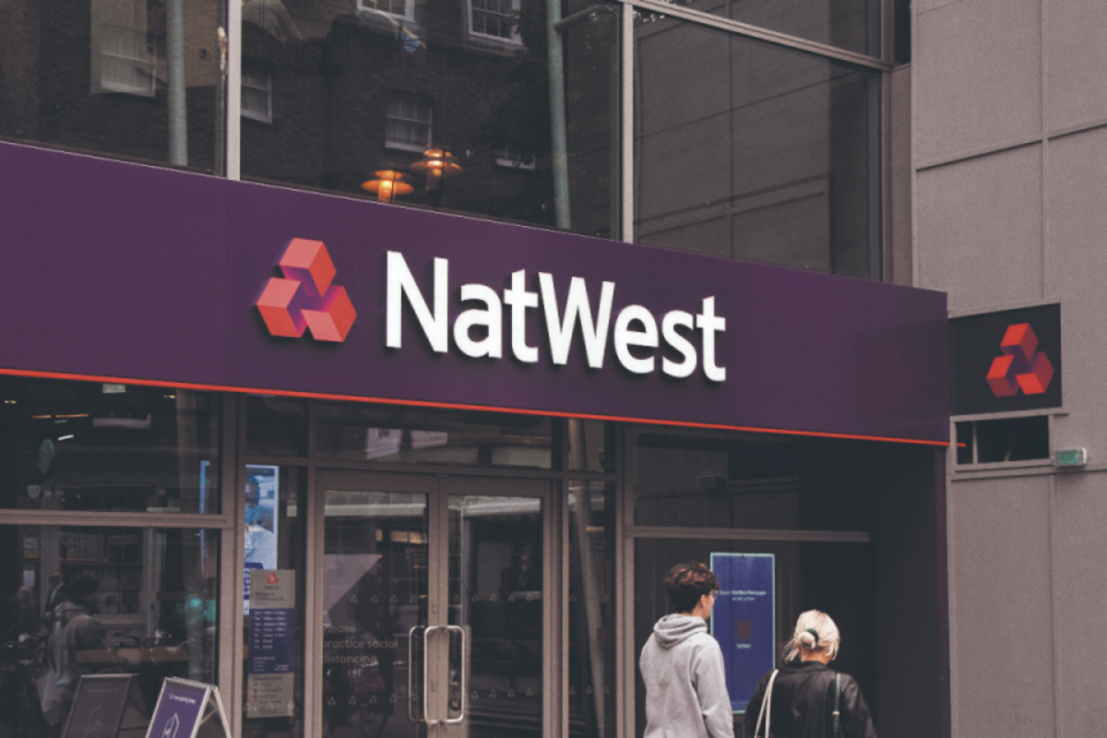
Natwest and Lloyds have had to brace for losses on loans as players across the broadband sector struggle against escalating competition.
Lloyds Banking Group’s commercial unit set aside £25m in provisions for loans that were unlikely to be fully repaid. William Chalmers, the group’s finance boss, said the coverage was mainly due to loans in the fibre sector.
He added “bumps in the road” because of “higher construction costs” and lower than anticipated “subscriber numbers” had stung firms across the sector.
Meanwhile, FTSE 100 juggernaut Natwest has been named as one of the top banks set to be hit by a downturn in the broadband industry.
The group recorded a £76m impairment in second-quarter results, which sources familiar with the matter told the Financial Times included expected losses on loans to broadband challengers.
Broadband challengers spell trouble
Recent years has seen a rise in ‘altnets’ – alternative network providers – as businesses attempted to steal a market slice from dominant incumbents such as BT’s OpenReach and Virgin Media.
But struggles across the industry have led to a series of financial strains for altnets.
Gigaclear, a full fibre work serving more than 600,000 homes, is in talks with the likes of HSBC, Lloyds and Natwest over how to take on its funding shortfall, according to the FT.
After securing a £1bn debt package in 2023, the firm generated just £34m of revenue.
Elsewhere London-based G.Network is scouting for a buyer after racking up £386m worth of debt, against just £10m in revenue.
The woes have led some in the sector to turn to the government’s National Wealth Fund (NWF), which has already injected over £1bn to altnets in recent years.
Elsewhere, the state-backed investment vehicle joined a consortium that pumped over £500m into battery storage development on Wednesday in a bid to lower energy bills.