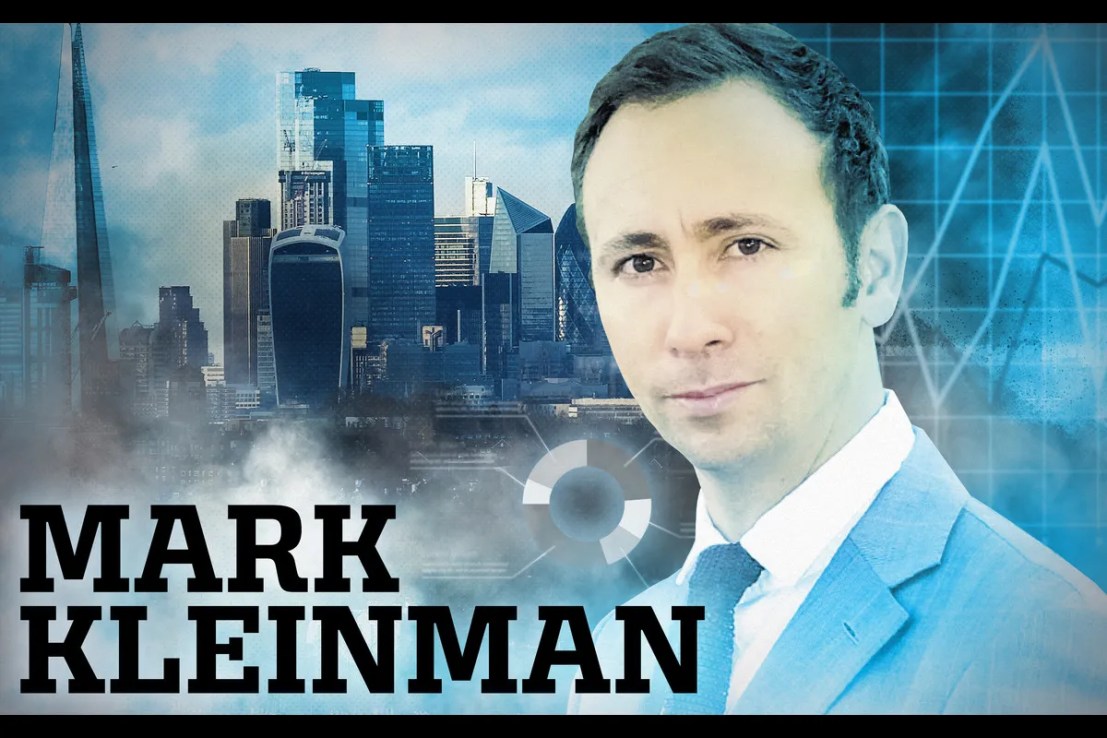
Mark Kleinman is Sky News’ City Editor and the man who gets the Square Mile talking in his weekly City AM column
Gupta steeled for high-wire act to end without Liberty
It’s crunch time – again. For Sanjeev Gupta, brushes with insolvency are nothing new. The steel tycoon has turned the process of snatching victory from the jaws of defeat into an art form.
Last week’s latest skirmish ended in an unwanted outcome for Gupta, however. Despite his optimism that the High Court would grant him a further adjournment of a winding-up petition filed against Speciality Steels UK, a judge declared the business “hopelessly insolvent” and ordered it into compulsory liquidation.
That was music to the ears of creditors led by Greensill Capital, the collapsed finance firm now in administration.
Gupta is not giving up, though. He has managed to secure a financing commitment from BlackRock, the world’s biggest asset manager, albeit on eye-wateringly expensive terms. Sources tell me this support is in the form of an asset-based lending facility and could be worth as much as £75m, mirroring BlackRock’s involvement in Gupta’s businesses in the US and Australia.
Despite the veneer of credibility provided by BlackRock’s name, it’s an open question as to whether Gupta’s plan is deliverable. His witness statement in court referred to “advanced” discussions about securing funding from Fidera, a London-based investment firm. Fidera, though, has distanced itself from that claim.
Gupta’s parlous financial position is having a deleterious effect on SSUK’s operations, with two of its sites not producing any steel for at least nine months because of a cash-induced shortage of raw materials, The Guardian reported in May.
The Official Receiver is now in control of SSUK, and wasting little time facilitating a sale process, with the government already having received expressions of interest prior to the compulsory liquidation order. Although officials insist the government played no active role in removing Gupta from control of SSUK, ministers are far from unhappy to see the back of him.
The tycoon’s lawyers argued in court last week that forcing SSUK into compulsory liquidation would mean the end of steelmaking at its plants. In fact, the reverse may well be true. With Britain’s steel industry on its knees, selling the business back to Gupta would be a retrograde step.
Pay protests ignore roles of genuine rock star CEOs
If British boardrooms are attempting to show a new level of sensitivity on executive pay, this month’s annual report from the High Pay Centre think-tank implies they need to try harder. In the last 12 months, it said, median pay for FTSE-100 chief executives rose from £4.29m in 2023/24 to £4.58m in 2024/25. This was the highest level of FTSE-100 CEO pay on record, and the fourth successive year that CEO pay had grown.
In that context, an increase in the number and scale of investor revolts beyond that witnessed in the City this year might have been expected. Any sense of ire among institutional investors has, I suspect, been mitigated by the more emollient tone struck by the Investment Association in recent times.
A notable omission from the list of the ten best-paid FTSE bosses (led by Melrose Industries’ Peter Dilnot) is Rolls-Royce Holdings chief ‘Turbo’ Tufan Erginbilgic. The aircraft engine manufacturer’s chief was paid ‘only’ £4.1m in its last financial year.
With the company due to propose a new remuneration policy to shareholders at its annual meeting in, chair Anita Frew will be conscious of the extent to which Erginbilgic might be deemed poachable.
He has amassed a tidy sum in long-term share awards, worth tens of millions of pounds; if Rolls-Royce achieves its CEO’s objective and becomes the London market’s most valuable company, that would morph into an eye-watering sum by UK boardroom standards.
Let’s not forget, though, that during the pandemic, Rolls-Royce was on its knees; even an emergency rights issue and refinancing was not guaranteed to preserve the longevity of Britain’s most famous industrial name. If Erginbilgic delivers on his bold ambition, he’ll be worth every penny – regardless of the pay protesters.
Retail turmoil sets stage for former Co-op chief Whitfield
Swingeing hikes to employers’ national insurance bills; onerous producer packaging liabilities; and accelerating headwinds from the shift to online channels: few trade associations have a weightier in-tray than the British Retail Consortium (BRC).
With Andrew Higginson, the chairman of JD Sports Fashion, due to relinquish the reins as BRC chairman, a search has been underway for his successor for months. I can reveal here that Jo Whitfield, the former Co-op Group chief executive who now sits on Asda’s board, could be named as his replacement as early as today.
Whitfield’s CV makes her a logical choice. If appointed, she would also be part of the first all-female double act at the top of the BRC – another milestone in British retailing – alongside director-general Helen Dickinson.
Last week’s letter from the BRC, signed by dozens of bosses including those at Asda, Boots and J Sainsbury, warned the chancellor of the devastating impact of rising inflation and underscored the scale of Whitfield’s task.
“As retailers, we have done everything we can to shield our customers from the worst inflationary pressures but as they persist, it is becoming more and more challenging for us to absorb the cost pressures we face,” they said.
With the BRC forecasting food inflation to hit six per cent later this year, it promises to be a winter of discontent for British shoppers.