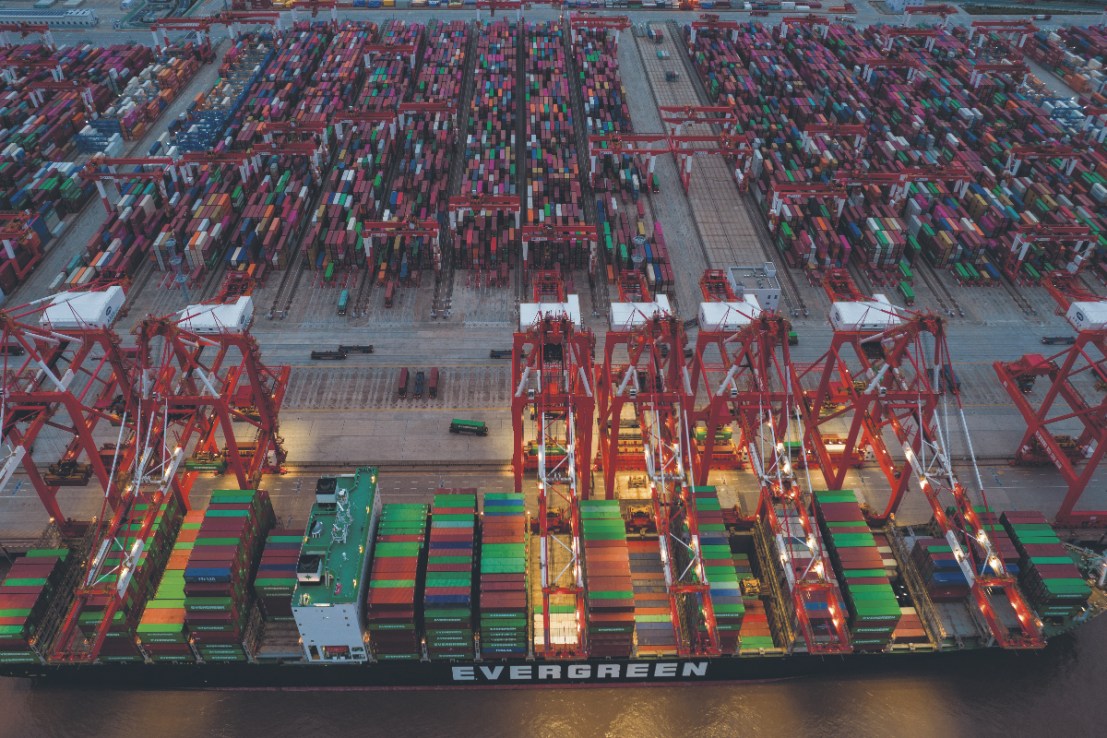
The Port of London Authority (PLA), the UK’s largest port, recorded a boom in trade volumes over the second quarter of the year despite fears around President Trump’s higher global tariffs.
In its first ever report on quarterly trade data, the PLA said 14m tonnes of shipments moved through the port during the period.
A comparison of data to last year showed a seven per cent increase in imports last year, which made up more than two-thirds of total trade through the port, and a 42 per cent rise in exports.
Researchers said overall cargo tonnage increased by 6.2 per cent in the second quarter compared to the first, with trade of vegetable oils, metals and forest products driving shipping flows.
But the PLA recorded a decrease in oil and chemicals passing through the port in comparison to the first three months of the year.
While more steel passed through the port in the year, the second quarter saw a significant drop in trade, which may be linked to higher US tariffs on imports from the UK.
Steve Lockwood, chief financial officer at the PLA, said the port was the “front line for growth” and allowed the UK economy to access markets around the world, with data likely to show trends in the strength of domestic businesses.
Tariff effects to emerge ‘slowly’
Shipping figures are often provided at a later time than GDP and trade data, given that processing can take longer, data gathering methods can vary according to different providers and discrepancies in measurements for tracking vessels and equipment.
Economists are closely monitoring the effects of President Trump’s ever-changing tariffs on goods and how trade diversion might take place.
Tariffs are expected to depress UK growth, while effects on inflation depend on whether cheap products make their way into Britain or whether supply chain costs rise.
The Bank of England said in its latest monetary policy report that US tariffs had pushed the average tariff rate to around eight per cent though this estimate was lower than one provided in May.
It said it expected UK GDP to be reduced by around 0.1 percentage point over the next year and a half due to tariffs, although overall effects would “emerge relatively slowly”.