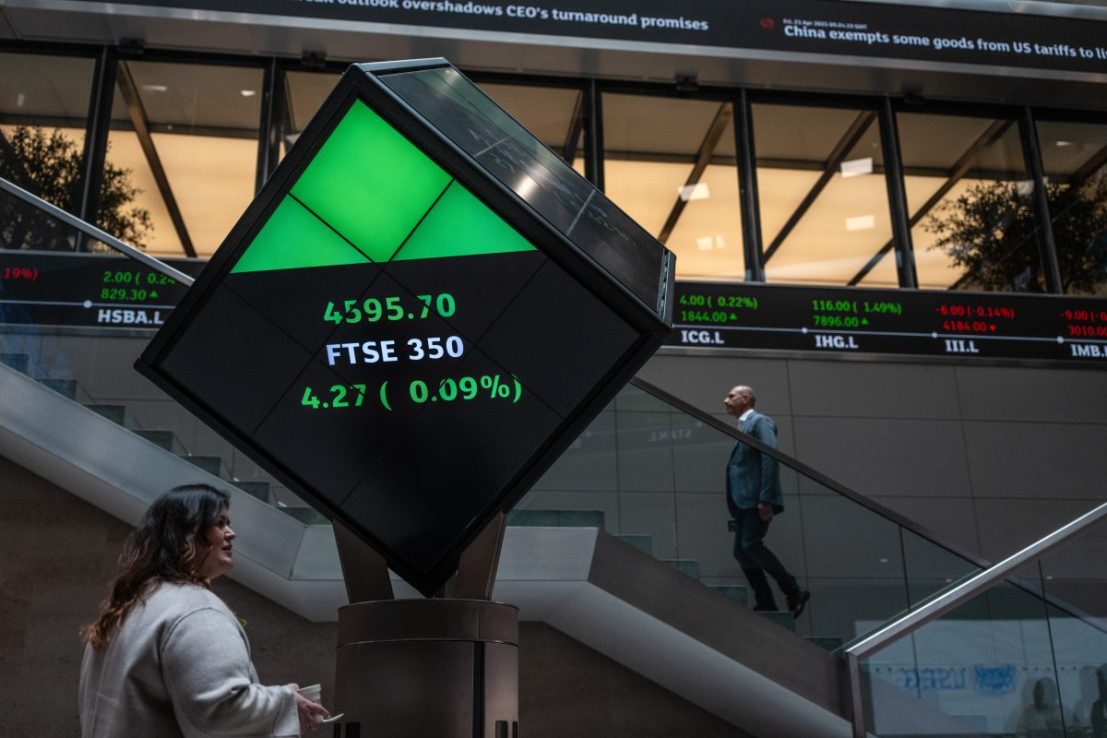
London’s IPO market is struggling, but there is hope. Charles Hall lays out how the government can revitalise the country’s capital markets
Rachel Reeves recently announced the creation of a Listings Taskforce with the bold remit “to attract the best businesses in the world to IPO here in London”. The need for boldness is sorely required given the tumbleweed drifting by the London IPO market. The stats speak for themselves – there have been just five IPOs of over £100m market cap primary listed in London since the start of 2023, which compares to takeover bids for 111 companies over the same period. The total market cap of these new entries was just £2bn compared to £100bn of exits. Houston, we have a problem.
The good news is we are not short of great potential candidates to float on the market and that is just UK businesses. However, we need to ensure that London is seen as the listing venue of choice and that the ecosystem is fit for purpose. There has been a huge amount of work done to make the UK at least as good a listing venue as other international markets and that is a big tick in the box for government, regulators and the London Stock Exchange. However, this alone is not enough. We need to recognise that we are actively competing for capital and for companies. A nice stadium is great, but we need to ensure that all the other ingredients are right to ensure we have a winning team.
We need more capital
So what do we need to do to make London genuinely attract the best businesses in the world? Capital is at the heart of the issue; if we do not have sufficient capital, it is challenging to have a healthy IPO market. We are the only country in the world that thinks it’s sensible to have tax incentives with zero requirement to invest domestically or actively encourage sizeable investments in cash. It should not be remotely controversial for taxpayers’ money to be focused on growing the domestic economy and supporting UK companies.
Speaking of capital, the government has the tools to be proactive and inject capital, expertise and pizzazz into the market. The British Business Bank (BBB) has transformed the UK venture market and is ideally placed to support IPOs and growth companies. There is a real opportunity to crowd in funding through the BBB partnering with Sovereign Wealth Funds and enabling pension funds to deliver on the Mansion House Accord.
There are numerous tax incentives that would enhance the IPO market and grow the tax base – sorely needed at the moment! Public companies drive more corporation tax, capital gains tax, stamp duty and tax on dividends than private companies.
Ways to reform the IPO market
Here are a few suggestions – how about making IPO fees tax deductible or provide a stamp duty holiday for say three years? Why not have a culture and tax environment that encourages an entrepreneur to float their company in the UK and stay domiciled in the UK rather than taking their gains overseas? We should be celebrating and incentivising our best entrepreneurs, not showing them the exit.
The government is also keen on rebuilding an equity culture with investors, but rules mean retail investors are excluded from information flow. Why not ensure that IPO research is available to all with all the suitable caveat emptors in place? Passive investing has also become a large part of the investment market – why not ensure index funds can participate in more companies from the outset rather than just the jumbo IPOs?
To finish on a positive note, investors are becoming more receptive and the pipeline is starting to build with potential IPOs to come from New Princes, Shawbrook and Visma as well as plenty others muttering about starting to consider their options. This is the ideal time for the government to double down and ensure that we can state with confidence that London is the best listing venue for the next generation of growth companies.
Charles Hall is head of research at Peel Hunt