Business investment fell by four per cent in the second quarter of the year despite moderate growth of 0.3 per cent, official data has shown, as top economists are ringing alarm bells on low productivity levels across the UK economy.
The Office for National Statistics (ONS) said there was a dramatic fall in investment compared to the first quarter of the year when 3.9 per cent growth was posted.
The official data body also said gross fixed capital formation, which considers investment in transport or other machinery and equipment, fell by 1.1 per cent in the year’s second quarter after a two per cent increase in the first three months of the year.
Economists pointed to a 0.3 per cent increase in GDP over the second quarter as positive news given a consensus forecast pencilled in growth of just 0.1 per cent.
But ONS data showed that growth in spending was largely driven by government consumption as household consumption and business investment were much weaker than in the previous quarter.
The figures point to more concerning trends across the UK economy for business chiefs and leading economists looking to improve productivity levels and the state of public finances.
“Better than expected real GDP developments in the second quarter appear to be good news for the government’s embryonic growth plan but the expenditure breakdown was less encouraging,” said Raj Badiani, economics director at S&P Global Market Intelligence.
“Struggling consumer spending and a sharp fall in business investment point to continued domestic growth tensions. The persistent risk of missed fiscal targets are likely to require steep tax rises in the Autumn Budget 2025.”
Lacklustre growth data for the UK’s private sector highlights the top concerns of members of City AM’s Shadow Monetary Policy Committee (MPC), who were asked what the biggest issue in the UK economy was before last week’s interest rate cut.
Shadow MPC puts low productivity as worst problem
Most economists pointed to low productivity growth as a key issue that was hard to fully address, particularly given fears that more taxes were coming for industry.
Productivity levels, which can be measured by GDP per hour worked, have been stagnant since the 2008 financial crisis as it dropped by 0.2 per cent over the year in the first quarter of 2025, according to an ONS flash estimate.
Public sector productivity has dropped below pre-Covid level.
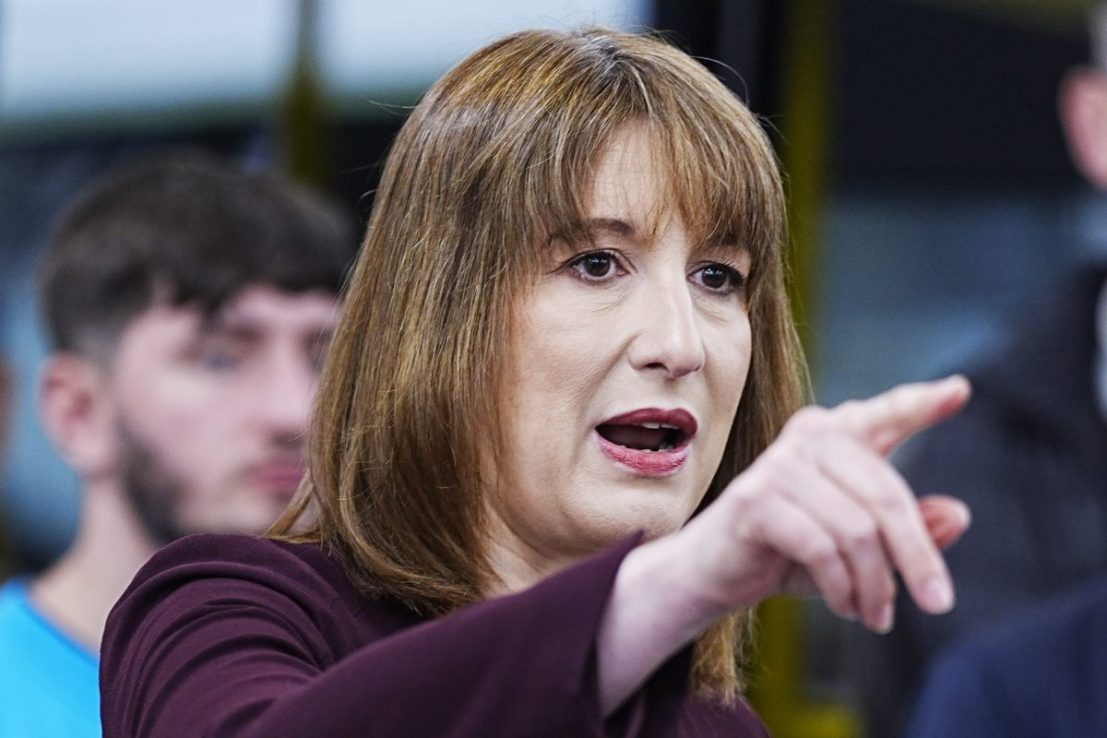
Barclays’ UK economist Jack Meaning said Chancellor Rachel Reeves’ difficulties in operating on “such fine margins” at each Budget were a “symptom” of the country’s poor productivity.
Fellow Shadow MPC members Jonathan Haskel, Julian Jessop, Ruth Gregory and Ben Ramanauskas largely agreed with Meaning’s assessment.
“The government has correctly diagnosed that low investment is restraining productivity growth and economic growth,” Gregory said.
“Its policies to raise public investment, fire up homebuilding and boost business investment have the potential to boost economic growth.”
But Gregory said the Chancellor’s decision to raise taxes mostly on businesses and weaken confidence by blaming her predecessor for leaving a “black hole” in public finances were “missteps” that dampened GDP.
Independent economist Vicky Pryce, the Institute of Directors’ Anna Leach and Peel Hunt’s Kallum Pickering said weak confidence levels among consumers and businesses was a drag on growth in the near term, with fears of tax hikes and tariffs making Brits more nervous about spending more.
“The UK’s limited growth resilience means there is a real risk of entering a self-reinforcing downturn,” Leach said.
“Without a swift improvement in the economic environment for business, many firms are deferring investment and hiring, which risks deepening the cycle of low growth.”
Each responded with their own views, which did not necessarily reflect the position of respective organisations or employers.