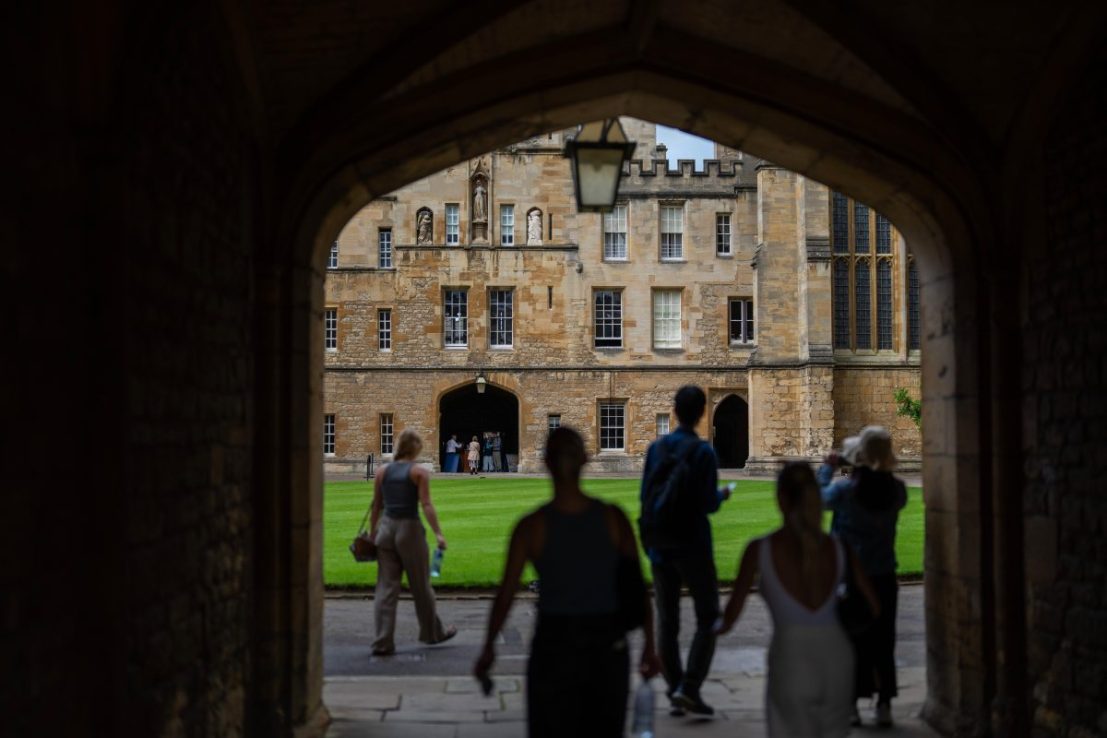
As A-Level students prepare to open their results, it’s time to ask once again: is university even worth it anymore? We put two experts head to head in this week’s Debate
YES: A degree is the surest route to success, as it keeps so many options open
Yes. If you want to be a pharmacist, teacher, nurse, architect, doctor, engineer or top civil servant, you usually need a degree. Rightly so, because few of us would want our kids taught by people who have had no formal education since the age of 18. Research from around the world shows patients are safer in hospitals where nurses have degrees.
On average, graduates earn more and are less likely to be unemployed, even in the depth of a recession. They are more likely to vote, to be involved in charities and even to live longer.
Does that mean everyone should go to university immediately after finishing school? No. Even the most fervent supporters of our world-class universities, like me, do not think 100 per cent of young people should immediately get a degree. Some people have had enough of formal education by the age of 18 and some want to see the world while others need time out to decide what they want to do next.
There is more than one route to a successful and fulfilling career. But a degree is nonetheless the surest route to success, as it keeps so many options open. In addition, the paths that people regard as alternatives to higher education are often no such thing.
A degree apprenticeship, for example, is just a different route to the same end: university-level qualifications that enable you to get on in life.
So to everyone getting their exam results, I say well done on getting this far and good luck with the next stage. Choose your own route carefully and take what all those university sceptics say with a huge dose of salt!
Nick Hillman is the director of the Higher Education Policy Institute
NO: Three years out of the workforce, racking up debt, simply isn’t worth it for many careers
University is no longer the golden ticket it once was, and young people know it. At Young Professionals, we’ve worked with over 500,000 students across the UK and more than ever, they’re telling us they don’t want to go to university. We’re constantly hearing ambitious 16–18-year-olds tell us they want to skip the three years of lectures, the £50,000+ debt and instead start building their careers now.
The reality is that university is no longer the only or even the best route to success for many. Employers are increasingly open to hiring straight from school, offering degree apprenticeships, paid training programmes and fast-track routes into skilled roles. These pathways enable young people to earn from day one, get a headstart on practical experience and progress quickly, while also providing direct access to industry networks. In our experience, these roles often pay more than graduate salaries within a few years, without the burden of student loans.
This generation has grown up with more access to information than any before them, and they’ve weighed up the return on investment and concluded that three years out of the workforce, racking up debt, simply isn’t worth it for many careers.
That’s not to say universities have no place; some students may just absolutely love learning the traditional way. But for a growing number of industries, practical experience, adaptability and soft skills matter more than a university degree.
I took the unorthodox route of starting my business at 17, and I believe that we should be celebrating and expanding these alternative routes, not clinging to the outdated idea that university is the only way to get ahead.
Daniel Miller is CEO of Young Professionals
THE VERDICT
As Results Day rolls around once again, so too does the annual media debate asking: is university even worth it anymore? And City AM is no exception.
In the yes corner, Mr Hillman takes on the university sceptics with passion, with a well-argued case not only for the economic benefits of a university degree, but also the civic ones. His argument that degree apprenticeships come under the same umbrella as university qualifications, however, feels more a technicality. As Mr Miller outlines, there is an important distinction, no student debt, which is crucial to assessing the worth of university.
So let’s assess it. According to a recent report led by David Willetts, the average young graduate is set back around £50 per month in student loan repayments. However, crucially, they also earn on average £5,000 more than non-graduates.
With studies showing higher education also leads to better physical and mental health further down the line, notwithstanding the three years of VKs and little sleep, that feels well worth it.