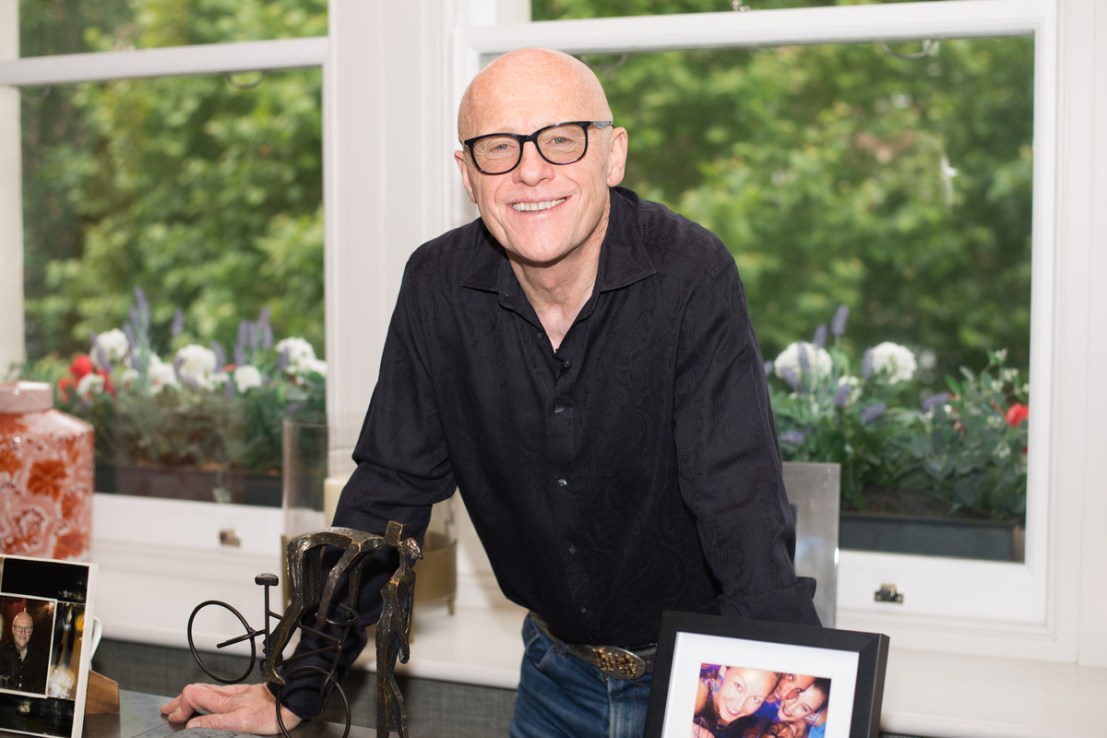
Successful entrepreneurs have a responsibility to mentor the next generation of talent, writes John Caudwell
I’ve lost count of the number of times people approach me asking for business advice. It happens at events I’m attending, online via social media and, occasionally, I’ve even been stopped in the street.
What’s encouraging when this happens is that it reminds me the UK is chock-full of aspiring entrepreneurs trying to do whatever they can to learn how they can get their big break.
The downside, however, is it’s impossible to help everyone; I simply do not have the time.
That is why I’ve decided to try something different.
On Linkedin, building on my long-running #AskJC series in which I record videos answering follower questions, I’m now offering a new opportunity: a one-to-one, mentoring session with me that others can learn from. From entrepreneurial followers who send me their burning business questions, I’ll choose one for a focused, fast-paced, Teams-based mentoring session, which will be recorded, edited and shared.
The response so far has been fascinating. Comments have flooded in from entrepreneurs at all stages of their journey, from startups to business owners navigating serious scaling challenges.
This tells me two things. First, the UK is brimming with talent, determination and entrepreneurial ambition. Second, there’s a huge appetite for direct, honest, real-world business advice from people who have been there, done it and bear the battle scars.
It also highlights to me why mentoring matters.
Successful entrepreneurs have a responsibility to share their knowledge
When I began my own entrepreneurial journey, there was no mentoring culture like there is today and no ready access through things like Linkedin to entrepreneurs willing to share their knowledge. I learned the hard way, through trial, error and the occasional painful mistake.
A good mentor can help you navigate these challenges and, hopefully, swerve those mistakes. But mentoring is not about handing someone a map and telling them where to go. It’s about asking the right questions, encouraging new ways of thinking and pushing people to find their own solutions.
If you’re going to be mentored, you must be open to honest feedback, even when it’s uncomfortable or not what you want to hear. Mentoring is about opening someone’s mind to other possibilities, rather than providing sugar-coated advice. A mentor’s job is not to make you feel good in the moment but to make you be better in the long run.
When I mentor someone, I am respectful but also direct. For example, If I can see flaws in your overall business model, I will tell you. But if I can see you are on the right track, I will encourage you to think bigger about how to get there.
I believe successful people have a responsibility to share their knowledge. We have probably all benefitted from the wisdom, generosity or support of others along the way, whether we recognise it or not, and so we ought to consider whether we have something to offer to help others.
Mentoring is a direct, meaningful way to put hard-earned experience and wisdom to a good use. It doesn’t have to mean a formal arrangement, it could be a coffee with someone who needs guidance, a regular check-in with a young business owner or even a quick conversation that sparks an idea or fresh thinking about a challenge or opportunity.
Mentoring is a win-win scenario
And here’s the thing, it’s not just the mentee who benefits.
Mentoring keeps you sharp. It forces you to articulate what you’ve learned, reflect on your own decisions, and – perhaps – sometimes even see the world through fresh eyes. I’ve often found that in explaining something to someone else, I can end up refining my own thinking.
But mentoring is not just for business or career development; mentoring in life can be truly transformative. That’s why my charity, Caudwell Youth, puts it at the heart of what we do.
We work with young people in crisis who may have been excluded from education, lured into exploitation or crime, or are struggling with mental health challenges – and some may be trying to cope with all of the above.
Many have grown up without the kind of guidance, stability and encouragement most of us take for granted.
Our volunteer mentors become trusted, consistent figures in these young people’s lives. They listen, they guide and they help them see that a better future is possible while supporting them to take the steps to get there.
We give young people the belief, tools and resilience to rewrite their own story and time and again we have seen how one positive mentoring relationship can change the trajectory of a young person’s life.
So, whether you’re a business leader, a mid-career professional, or someone with a skill to share, I would encourage you to think about who you could mentor and how.
And if you’re looking for a mentor yourself, be proactive. Seek out people you admire, engage with them, and show them you are serious. Don’t just ask for help; show that you are ready to act on it.
Above all, remember that mentoring is not about having all the answers. It’s about walking alongside someone as they find their own path in business, in work and in life.
The feeling of fulfilment that comes from helping others on their business or life journey can be a powerful reward.
Who knows, it might just change your life as much as theirs.
John Caudwell is a British entrepreneur, philanthropist and founder of Phones 4u.
Information about mentoring with Caudwell Youth can be found at: www.caudwellyouth.org/volunteer