Wage growth overshot market forecasts in June as more jobs were shed due to higher labour costs introduced by Chancellor Rachel Reeves, official data has revealed.
Pay growth excluding bonuses hit five per cent in the three months to June, according to the Office for National Statistics (ONS), in a caution to Bank of England officials considering a vote for interest rate cuts.
A Bloomberg poll of economists predicted wage growth to come in at 4.7 per cent, compared to five per cent growth last month.
Including bonuses, wage growth was 4.6 per cent.
Higher wage growth may come as a relief for Brits still in employment but the ONS also revealed that the number of payrolled employees dropped by 26,000 in June.
This was a revision up from an early estimate showing a decline of 41,000 while the unemployment rate remained unchanged at 4.7 per cent.
Over the year, there were 149,000 fewer payrolled employees while a provisional estimate suggests the UK economy saw a fall of 8,000 last month.
The fall in jobs numbers was “concentrated” in hospitality and retail, statisticians said.
“Taken together, these latest figures point to a continued cooling of the labour market,” said Liz McKeown, director of economic statistics at the ONS.
“Job vacancies, likewise, have continue to fall, also driven by fewer opportunities.”
Jobs market adds to pressure
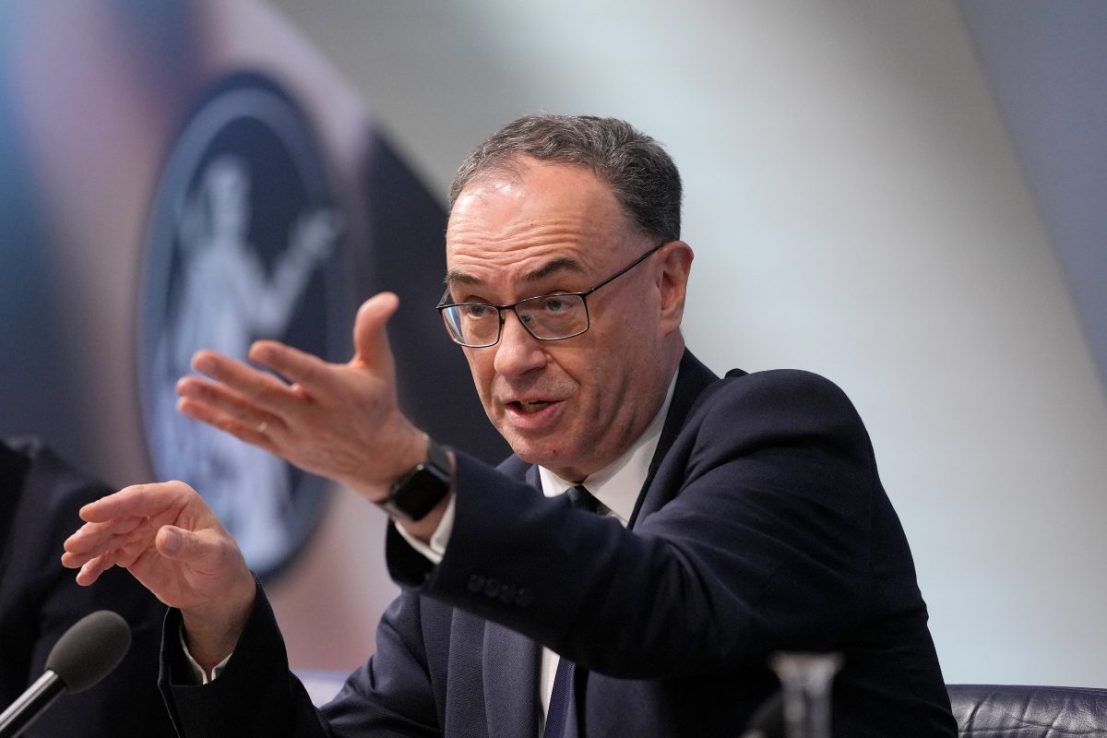
The latest figures will put further pressure on Bank of England policymakers as Governor Andrew Bailey said the future path of interest rates was “more uncertain”.
Economists highlighted the risks of pay growth remaining elevated due to behavioural factors of Brits setting higher prices and, in turn, demanding improved salaries.
But a lacklustre jobs market is likely to cause unrest in the Monetary Policy Committee (MPC), with external member Alan Taylor at first backing a bigger 50 basis point cut due to the “risk of a recession”.
Treasury officials including Chancellor Rachel Reeves will also likely be cautious, with Parliament’s return from the summer recess in September likely to be marked by more speculation over tax rises.
The government’s last £20bn tax raid on employers through hiking employers’ national insurance has been widely blamed for a decline in jobs numbers.
Industry groups are urging the government not to target businesses if it chooses to raise taxes this autumn.
Business confidence surveys have been mixed though the Institute of Directors (IoD) suggested further tax hikes would deepen a sense of pessimism at smaller businesses.