The UK’s Online Safety Act, which came into force on 25th July, was conceived with the noble aim of protecting children from harmful online content.
It mandates that web service providers implement “highly effective” age verification measures to prevent minors from accessing material that promotes suicide, self-harm, eating disorders, or abusive behaviour, as well as sexually explicit content.
While public polling from YouGov initially showed strong support, with 80 per cent of the country backing stricter guardrails to prevent children from accessing pornography, the law’s implementation has triggered a wave of unintended consequences, a global backlash, and a fierce political debate.
The unintended cost of vague legislation
The act’s broad and vaguely defined scope has led to widespread and seemingly indiscriminate censorship.
Tech firms, fearing fines of up to £18m or 10 per cent of their global turnover, have taken a ‘better safe than sorry’ approach. This has resulted in the age-gating of an astonishing range of content.
In the weeks since the law took effect, users have reported being blocked from accessing Spotify playlists, Spongebob GIFs, and even an MP’s speech on child sexual abuse.
News and journalistic content, including breaking news footage and war coverage, has also in some cases been classified as ‘harmful’, and even Wikipedia has mounted a legal challenge, fearing its anonymous volunteers could have their privacy violated.
Reform UK has labelled this “monstrous censorship”, and a petition to repeal the act has garnered over half a million signatures.
The rise of VPNs and privacy concerns
The most significant and immediate reaction to the act has been a surge in the use of virtual private networks (VPNs).
These tools, which route internet traffic through other countries to bypass local restrictions, have seen a massive spike in popularity.
What’s more, a Cloudwards report analysing Google Trends data since the bill passed revealed that search queries for “how to get around age verification” surged by over 450,000 per cent, and “is VPN legal in the UK” saw an increase of 380,000 per cent.
The data suggests that rather than protecting children, the law may be pushing them toward less-regulated corners of the internet, raising further privacy risks.
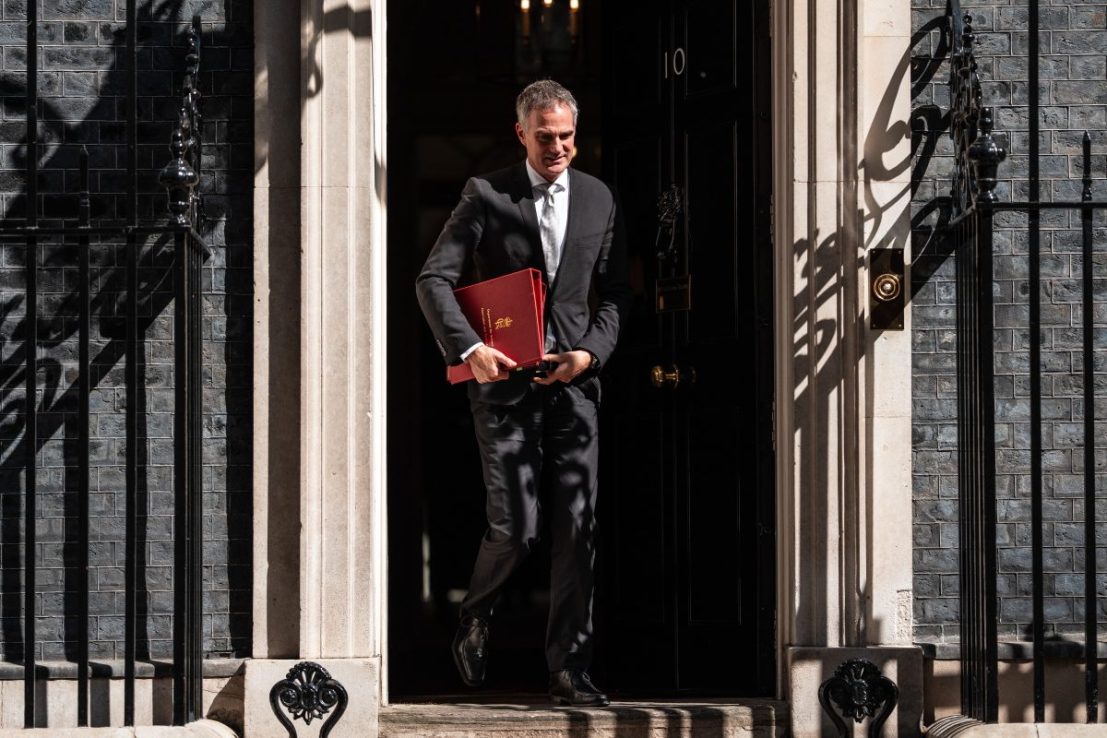
Tech secretary Peter Kyle has insisted that a ban on VPNs is not being considered, but officials are keen to understand how they are being used, particularly by children.
The act has also created a new unexpected market for age verification services, leading to both a boom for some firms and significant privacy concerns.
Persona, an ID verification platform, recently secured a $2bn valuation in the wake of the bill coming into force.
Yet, privacy campaigners argue that these laws create “honeypots” of valuable personal data, which could become targets for hackers.
Kate Ruane of the Centre for Democracy and Technology pointed out that when apps collect sensitive information like images or driver’s licenses, they risk breaches that endanger privacy and security.
“It also chills everyone’s desire to engage in all but the most anodyne conversations online”, she added.
The risk of identity theft and fraud is also heightened, as these databases could be a goldmine for criminals.
Experts like Fraser Mitchell, chief product officer at SmartSearch, have noted a surge in sophisticated fake ID services.
He said: “In today’s landscape, where criminals are agile and constantly evolving their methods, having such a robust system isn’t just about meeting compliance; it’s fundamental to fighting financial crime, protecting reputations, and building lasting trust with every interaction”.
A doomed bill?
The Online Safety Act has become a “political punchbag”, as one senior government official told the Financial Times.
This official, who remained anonymous, was quoted saying that companies were being “overzealous” in their application of the law, perhaps intentionally, to undermine its credibility.
The act faces criticism from across the political spectrum. Populist parties like Reform UK have decried it as “censorship”, while free speech advocates like venture capitalist Marc Andreessen have complained directly to Downing Street.
While the government has defended the law as a necessary step to protect children from harm, the botched rollout and public backlash have left it in a precarious position.
The act seems to have failed to achieve its stated goal, as public perception of its effectiveness has dropped, with many realising that a few clicks can easily circumvent age verification checks.
As a result, the government is now left to grapple with a law that is unpopular, seemingly ineffective, and has created a host of new problems it did not anticipate.