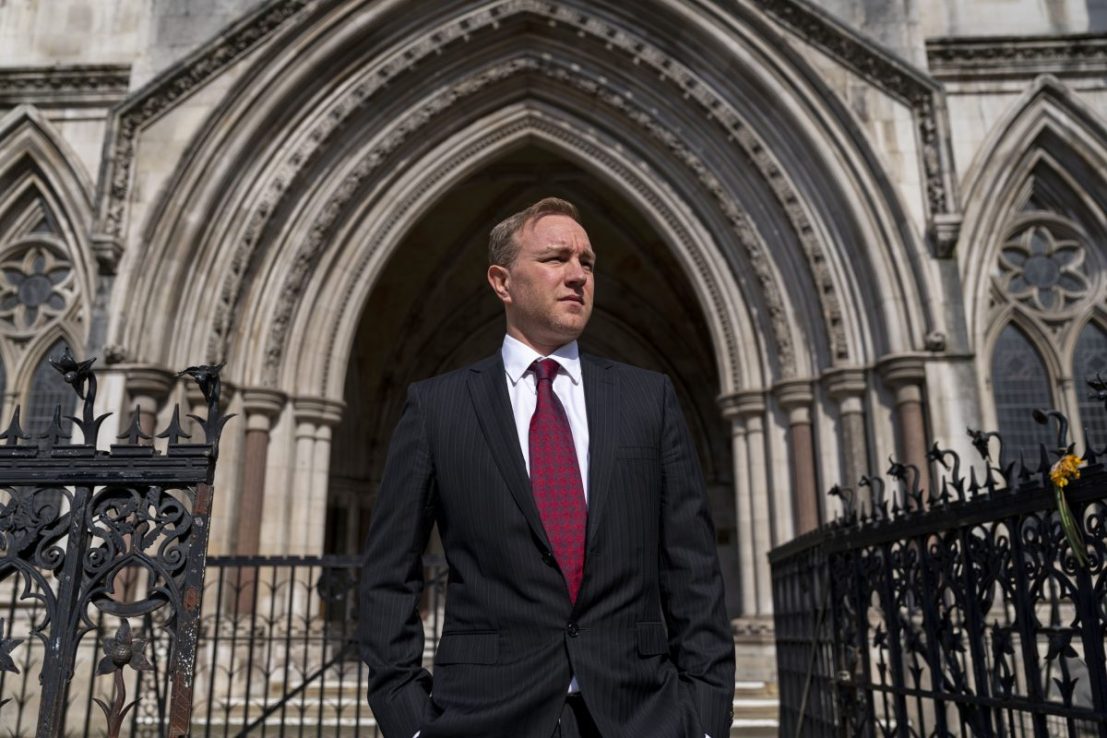
Tom Hayes’ original trial for Libor rate-rigging made a mockery of our justice system and he is now, rightly, an innocent man, say his solicitors Karen Todner and Sarah Tighe
We helped Tom Hayes in his decade-long fight to clear his name – a difficult journey filled with setbacks and heartbreak. He is now, rightly, an innocent man. But his trial and conviction should never have happened.
Tom was ripped from his life and paraded as ringmaster of a global conspiracy to rig interest rates, portrayed as a greedy man with no morals. This narrative took hold long before he set foot in a courtroom.
He was threatened with decades behind bars in the US, so initially felt lucky to be tried in the UK. But as the Supreme Court has now ruled, his trial was fundamentally unfair.
It was littered with errors and injustice: a hostile judge who said Tom should plead guilty and refused to recuse himself; a prosecution witness who changed tack in later Libor trials after evidence emerged undermining his testimony; an expert witness who was no expert at all – which the Serious Fraud Office (SFO) and its Counsel well knew; a doctor, instructed by the SFO in its dangerous joint role of both investigator and prosecutor, with no expertise in Autism Spectrum Disorders (ASD), who was partly responsible for Tom’s ASD diagnosis being considered irrelevant to any issue in the trial, despite his state of mind being a key aspect. The trial made a mockery of our justice system.
Lessons must be learned
As the Supreme Court ruled, trial judge Sir Nicholas Cooke removed from the jury’s deliberations the central question of whether Tom agreed to the submission of false or misleading Libor rates. The judge all but convicted Tom himself and nobody seemed to care, because Tom was a banker when that was unpopular. This is truly frightening.
In addition, Tom’s charge of conspiracy to defraud is a controversial offence which the Law Commission recommended be abolished more than two decades ago. The Court of Appeal rejected challenges five times and acted as its own gatekeeper to block the Supreme Court from reviewing its decisions any sooner. It took the chronically underfunded CCRC four years to initially reject Tom’s application, and a further two years before it eventually referred the case to the Court of Appeal following further representations.
Looking ahead, lessons must be learned. The SFO’s dual investigator-prosecutor role must be abolished – as it should be in all relevant bodies. Politics and law should not mix and our justice system must be able to ensure anyone accused of a crime receives a fair trial, and can access a robust and nimble appeal process if they don’t.
Karen Todner is a solicitor
Sarah Tighe is a solicitor