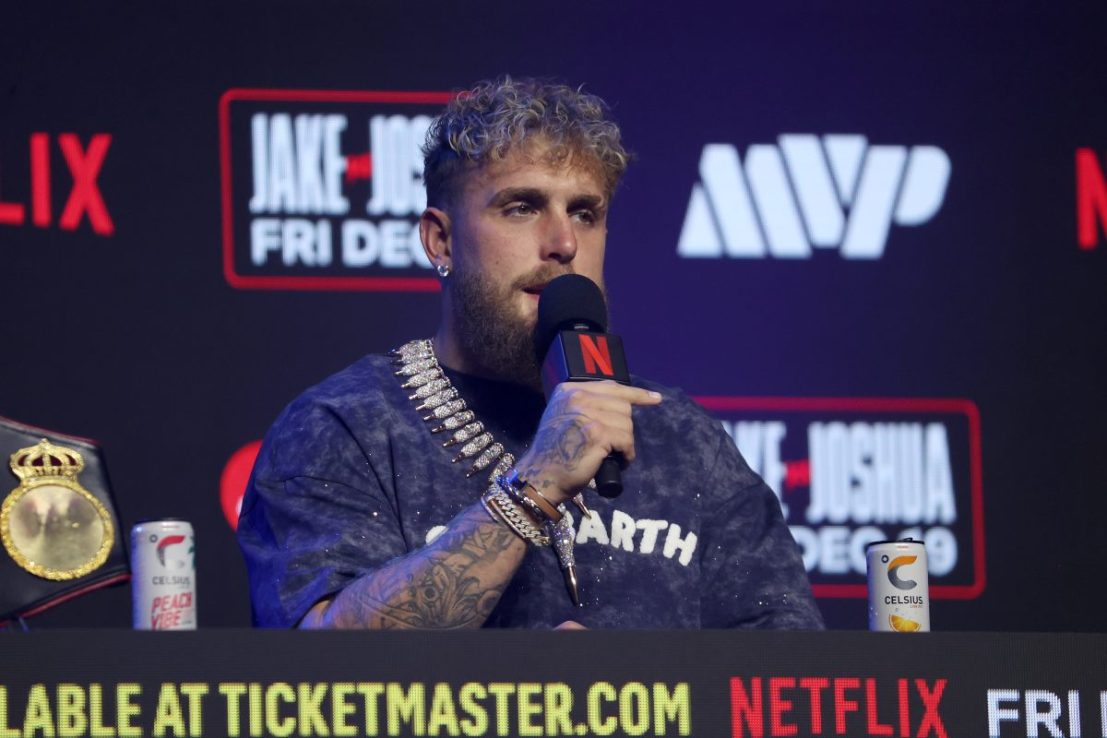
Tom Wild discusses how Joshua vs Paul shows sport can no longer be separated from the cultural forces that surround it.
In a world where attention is fractured and loyalty is fluid, one of the most powerful tools available to help marketers cut through isn’t new at all – it’s culture. More specifically, it’s the strategic blending of cultural passion points to create something richer than the sum of its parts.
The rise of crossover events shows how fandom itself has transformed. Fans today don’t live in silos. They don’t just follow boxing or football or streetwear – they follow individuals whose identities stretch across cultural lanes. Athletes are no longer defined solely by what happens in competition. Instead, their cultural value is shaped by how they live beyond it – what they wear, who they collaborate with, the music they share, the causes they champion and the content they create. A tennis star who cares about streetwear, a footballer who releases music, or a sprinter who collaborates with contemporary artists isn’t diluting their brand – they’re expanding it and creating a bigger, more diverse, more engaged following. This shift makes cultural crossovers not only possible, but essential.
Sport = Culture
As Anthony Joshua and Jake Paul step into the ring this weekend, the fight will be billed as a clash of two very different worlds: an elite heavyweight champion versus a creator-turned-contender, who built his career in the algorithmic arenas of social media. But the truth is far more interesting. This fight is not an anomaly or a sideshow. It is a defining moment in the evolution of sports entertainment – one where elite athletes and influencers now collide on equal footing.
Joshua vs Paul is the clearest signal yet that influencer culture has moved from the fringes of sport to the centre of its economics, audience reach and cultural meaning. What we’re witnessing is the rise of cultural crossover as a dominant force – where sport blends with entertainment, personality, fashion and digital fandom to create something bigger than any one discipline. This isn’t sport versus culture. It’s sport as culture.
Elite athletes are becoming influencers, and influencers are becoming athletes – and nowhere is this cultural realignment more visible than in golf. A sport defined by tradition and performance, it is now being reshaped by creators who command audiences on a scale that rivals, and often surpasses, the official tours.
Content collectives like Bob Does Sports, GoodGood Golf and Grant Horvat each attract between 1.25m and 2m YouTube subscribers – numbers comparable to the PGA Tour’s own following and significantly larger than those of most major golf rights-holders. But it’s not just reach that’s shifting the balance – it’s engagement. While the PGA and DP World Tour see tens of thousands of views on ten-minute highlight videos, the leading golf creators routinely pull in millions for content that stretches well beyond half an hour. Their audiences aren’t passing through – they’re staying.
AJ and Paul closer than you think
This gravitational pull has already begun reshaping the sport’s ecosystem. Barstool Sports’ recent “Internet Invitational,” a three-day event featuring 48 golf creators, didn’t even stream live. Instead, the footage was crafted into six episodic cuts, each running two to three hours. The result was an average of 4m views per episode and some of the most engaging golf storytelling online. Brands like Dunkin’ Donuts and DraftKings were woven into the narrative seamlessly, benefiting from exposure that felt native rather than intrusive. The lesson is clear: audiences gravitate toward formats that make them feel closer to the action and closer to the personalities shaping it.
And so the Joshua vs Paul fight underscores a broader truth – sport can no longer be separated from the cultural forces that surround it. It is entertainment, digital storytelling and identity. The future of fandom is fluid, and those willing to play at the intersections will find themselves not just reflecting culture, but creating it. Traditional sport is no longer the default destination for fandom – cultural crossover is.