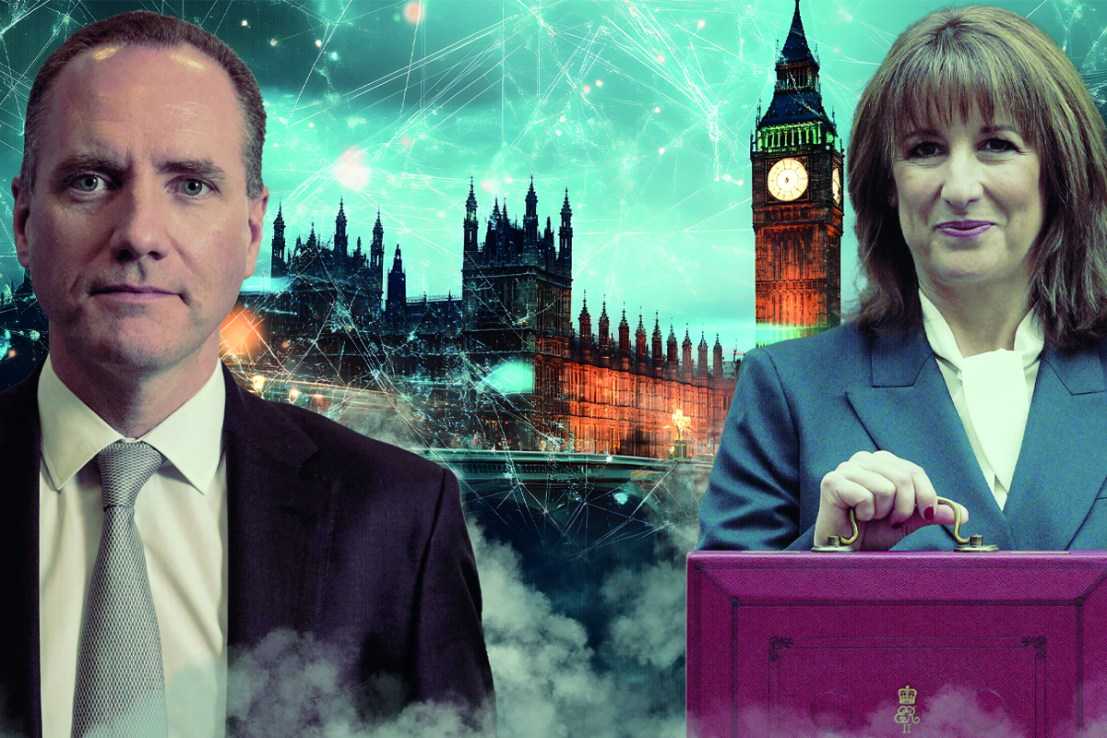
It was supposed to be the week that ended months of uncertainty.
But Rachel Reeves has finished Budget week with more questions to answer than she started with.
Not all of it was bad. Increasing the fiscal headroom was prudent. Cutting back motability spending was sensible. Removing a loophole that allowed private hire firms to use tour operator tax rules was appropriate. And the OBR leak wasn’t her fault.
But there was plenty to dislike in the Budget. For one thing, as top tax guru Dan Neidle has observed, it contains “almost nothing in the way of pro-growth measures.” For a government that has made growth one of its core missions, the actions are not living up to the words.
For another, as I have written, the tax freezes introduced are far from progressive. They won’t hit top earners very much – instead it is young professional graduates who are shouldering the highest burden in the years to come. No wonder so many are emigrating.
Setting aside specific measures, though, Reeves must urgently confront two issues that, if she doesn’t tackle, could spell trouble down the road.
1: Did Reeves mislead the country over the fiscal ‘black hole’?
We discovered after the Budget that the so-called “black hole” in the public finances was not nearly as severe as Reeves had talked up.
On 10 November, Reeves told Radio 5 Live: “It would, of course, be possible to stick with the manifesto commitments. But that would require things like deep cuts in capital spending.”
But the OBR’s economic forecast said the surge in tax receipts – due largely to inflation – more than covered the £16bn downgrade.
Worse still, this much was confirmed to Reeves by the OBR well before she took to Downing Street on 4 November to deliver a Budget “scene setter” speech, where she warned it was “important that people understand the circumstances we are facing”.
Despite this, there was plenty of government briefing that a rise in income tax was necessary to balance the books, with gilt yields whipsawing after more and more government leaks. Were the public, and the markets, being deceived?
Shadow Chancellor Sir Mel Stride has said: “We now know the truth… It was all a smokescreen. Labour knew all along that they did not need to raise taxes and break their promises. It was an active choice to do so, to fund a huge increase in welfare spending. The OBR have now made that very clear.”
2: Are Reeves’ back-loaded tax measures plausible?
While Reeves has ostensibly raised nearly £30bn in this Budget, the money won’t hit the Treasury coffers for a long time. That’s because most of the tax-raising moves come into fruition in the second half of this Parliament.
That leaves lingering uncertainty as to whether they’ll really happen. Lots could take place between now and 2029. An economic shock could bulldoze government spending plans. A Labour Party rebellion could oust Reeves, replacing her with a left-wing Chancellor with a more radical agenda.
Even if neither of these things happen, will the government really want to raise taxes in an election year? Financial markets have good reason to be skeptical.
“90 per cent of the tax raising is actually going to be raised after 2028. A lot of the heavy lifting is happening afterwards,” senior NIESR economist Ben Caswell tells me.
“Government expenditure and the tax burden has continued to go up. Now is a suitable time to start baking in some fiscal consolidations so you’re prepared for the next shock when it does come along.
“I don’t think the situation has been resolved. I think we’re going to come back to this issue in six months, in twelve months, in a couple of years. It’s not going to go away.”