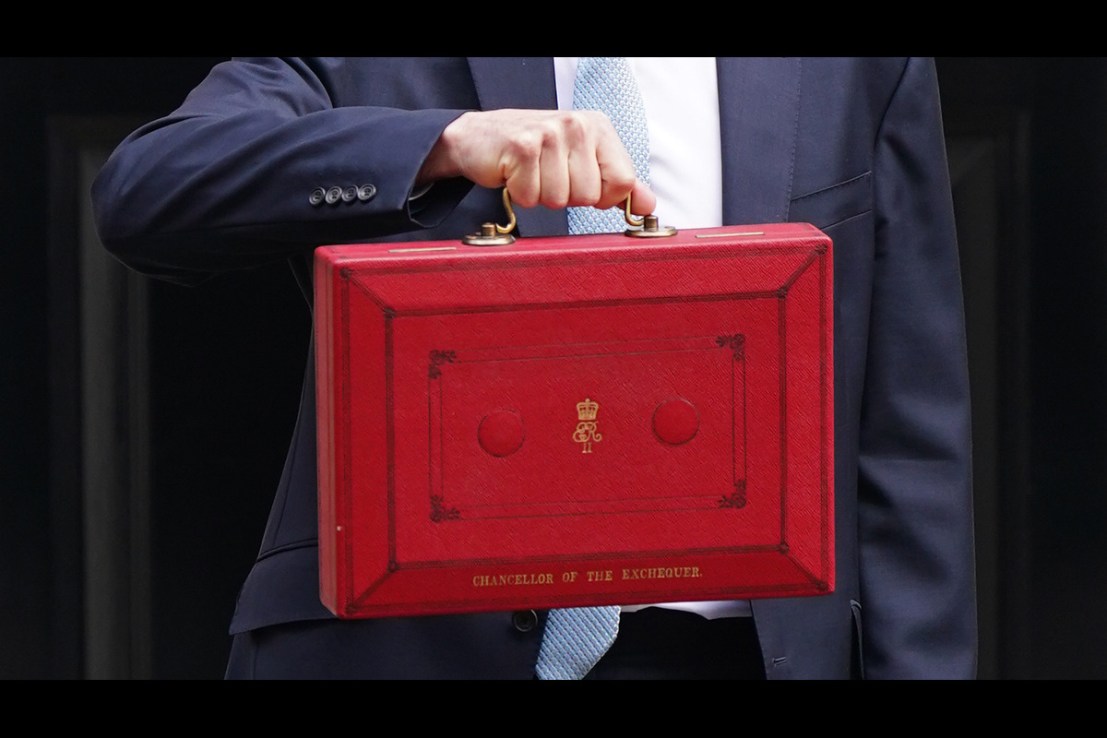
Chancellor Rachel Reeves’ upcoming Budget will not live up to market hopes of fiscal caution nor will it solve problems around high government expenditure, analysts at a leading City bank have warned.
Reeves has said she intends to build a larger fiscal buffer than £9.9bn in order to “absorb shocks” next week while the Budget itself will focus on curbing inflation and borrowing costs.
But top economists are raising eyebrows at speculation ahead of the crucial fiscal event next week after reports suggested the government had ditched plans to raise income taxes.
Raising income tax is seen as being a more straightforward method of raising higher levels of revenue despite it being protected in the Labour manifesto.
More questions than answers
Deutsche Bank analyst Sanjay Raja warned that markets were set to be disappointed by Reeves’ next Budget as it would leave UK public finances in the balance.
“To be sure, if our expectations are broadly on the mark, the Autumn Budget will likely leave many more questions than answers,” Raja said.
“Will the Budget provide a market-clearing that the market is hoping for? Simply, no.
“With the government maintaining its manifesto pledges, fiscal buffers will likely remain historically thin.
“Fiscal consolidation measures won’t dampen growth sufficiently to warrant immediate rate cuts either, with much of the negative drag on GDP likely emerging after 2028-29.”
Deutsche Bank said it expected the headroom – the surplus amount the Chancellor must leave against her fiscal rule stating the current public budget will be in balance by the forecast year of 2030 – to be increased to just over £16bn.
Its analysis suggested that tax rises totalling around £30bn on housing, investment and through extending income tax thresholds would make up the chunk of fiscal consolidation.
Raja added that he also expected some spending cuts to be made in the last year of the Office for Budget Responsibility (OBR)’s forecast period when the Spending Review time frame ends.
Budget spending cuts to ‘stretch credulity’
The expected measure has already received strong criticism from researchers at the Institute for Fiscal Studies.
Bee Boileau, an economist at the IFS, said cutting spending in the three years of the Spending Review would be “challenging” given government departments were already making budget plans based on promises made by the Chancellor in June.
She questioned the credibility of efforts to introduce new spending cuts outside of the period.
“Simply pencilling in sizable cuts to day-to-day spending in 2029–30 – beyond the Spending Review period and when spending has not yet been allocated to departments – would stretch credulity,” Boileau said.
“All options for cutting departmental spending plans therefore come with unavoidable costs, although spending cuts could in principle considerably reduce the need for tax rises.”
During the Cabinet meeting on Tuesday, Keir Starmer told colleagues that “distractions” involving Budget leaks had taken focus away from government delivery.
He said the government’s top priority remained on “rebuilding the economy”, piling pressure on Reeves to deliver measures to boost living standards across the country amid high inflation, low growth and difficulties in controlling spending levels.