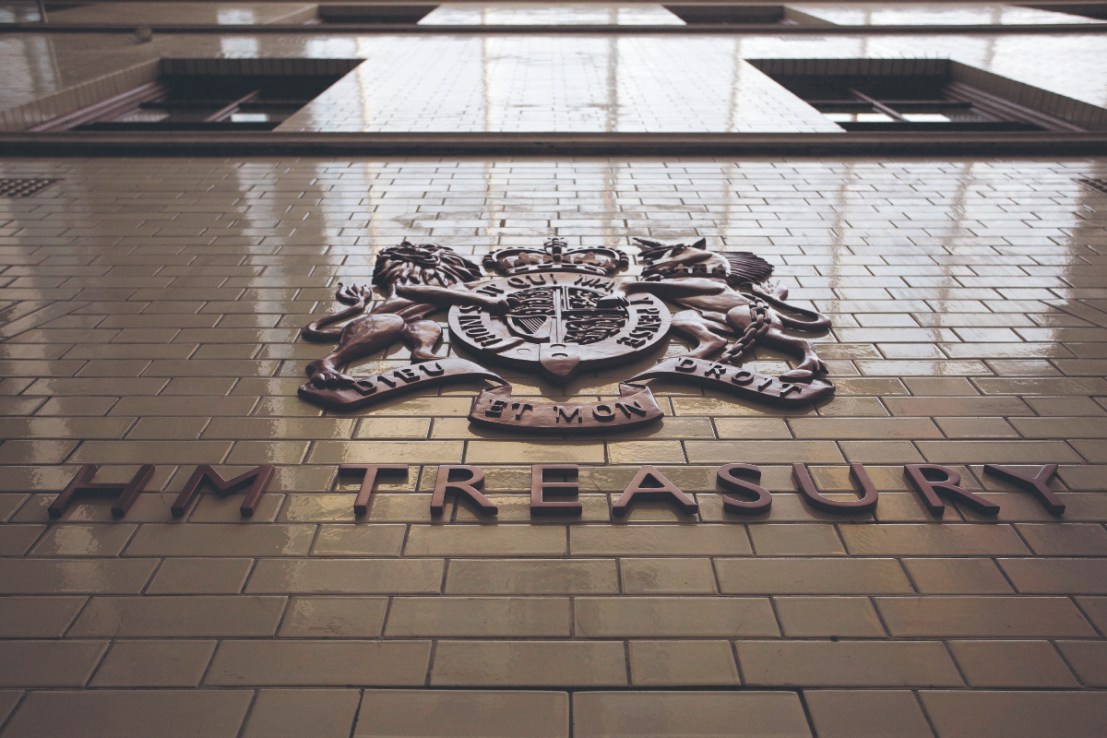
Around £115bn in cuts to government spending each year are “staring us in the face”, according to a new report, as Chancellor Rachel Reeves faces increasing pressure to regain control of the public finances.
In a paper published by the think tank Policy Exchange, the Chancellor has been warned to prevent a “twin-pronged fiscal crisis” by reducing the deficit without raising taxes, any hikes to which could further damage growth prospects in the coming years.
The report, which has been backed by the former Office for Budget Responsibility (OBR) chairman Robert Chote, calls for mass spending cuts to the welfare bill and reflects growing calls for the government to prioritise reducing its debt load.
Roger Bootle, who wrote the 129-page report, said around £22bn could be saved a year if the state pension’s triple lock was ended and payments remained frozen for three years before being linked with CPI inflation.
The paper also says the state pension age should be increased to 70 and public sector pensions should be changed to defined contribution (DC) schemes.
Bootle also indicated up to £30bn a year could be saved if benefits for working age people were frozen and the wider welfare system was reformed to reduce the number claiming personal independence payments (Pips) and other out-of-work benefits.
Sweeping cuts to foreign aid and welfare
Wider reforms and substantial cuts to housing benefits, international development, green subsidies and the NHS – including charging patients for GP appointments – help to make up the £115bn figure drawn up in the radical economic report.
Bootle said: “Government debt is much too high and needs to be brought much lower. Yet taxes are also much too high and this is having a serious effect on the economy. The solution is staring us in the face.
“The bulk of the savings should be used to reduce the budget deficit but about a quarter could be used to reduce taxes. In the long term, taxes can come down much further but for the time being, reducing the deficit and bringing the debt ratio down must take absolute priority.”
Spending cuts backed by Chote
Proposals set out in the report call on the government to use half of spending cuts to reduce the deficit.
The Conservative opposition has pledged to follow a “golden rule” to use cuts to lower government debt while Rachel Reeves has said her fiscal rules, which state that another debt measure including a larger range of financial liabilities must fall over a three-year period, are “non-negotiable”.
The paper also suggests a quarter of savings should be used to increase spending on security and defence, while another quarter should be used to reduce taxes including stamp duty and corporation tax.
Robert Chote, who led the fiscal watchdog and official forecaster charged with scoring government policies and determining the size of Chancellors’ headroom, said the paper would help politicians to consider making serious reforms given the deteriorating state of public finances.
“The situation is not yet such as to require policymakers – and would-be policymakers – to think the unthinkable,” the former OBR chief said. “But they certainly need to ponder the unpalatable, and this paper will help them do so.”
“Partly as a result, the UK Government is having to pay an uncomfortably high interest rate to borrow, which makes the dynamics of the public finances that much more challenging.
“Like the deterioration in the budget deficit and the debt ratio, this is partly a reflection of global shocks and policy decisions that have hit the UK relatively hard. But it likely also reflects a lack of confidence not just in the current government’s willingness and ability to take difficult fiscal decisions and make them stick.”